
The Australian hospitality landscape is shifting rapidly. Operators now face the dual pressure of rising guest expectations and complex operational demands. To stay competitive, you must move beyond legacy systems that create friction in your daily workflow.
This hotel technology report offers a clear view of the current market. We examine how purpose-built digital tools can bridge the gap between your front-of-house and back-end operations. By choosing the right stack, you can finally connect fragmented systems into one seamless experience.
We leverage deep industry insights to help you navigate these changes with confidence. You can explore our expert guidance on digital transformation to see how integrated solutions drive measurable business growth. It is time to regain control and focus on what matters most: your guests.
Key Takeaways
- Modern guests demand frictionless digital interactions throughout their stay.
- Fragmented software stacks are the primary cause of operational inefficiency in Australian venues.
- Purpose-built digital tools are essential for connecting disparate business systems.
- Strategic investment in smart infrastructure leads to measurable competitive advantages.
- Operators must prioritise system integration to remain agile in a changing market.
The Current Landscape of the Hotel Technology Report
Your guests are changing how they book, and your technology stack must evolve to match them. The modern traveller now expects a seamless digital experience from the first moment of inspiration to the final confirmation. Keeping up with the latest hotel tech trends is no longer optional for Australian operators.
Recent hospitality industry updates show that 80% of travellers now want AI assistance at some stage of their booking journey. This shift means that discovery is moving rapidly into conversational search. If your systems cannot facilitate this, you risk losing visibility to more agile competitors.
The rise of AI in the hotel industry is fundamentally changing how you interact with potential guests. By leveraging these tools, you can offer hyper-personalisation that feels intuitive rather than automated. This level of engagement is essential for building long-term guest loyalty.
Beyond guest experience, these tools are vital for optimising your revenue strategies in real-time. You can now process vast amounts of data to adjust pricing and availability dynamically. For more insights on how to refine your digital approach, explore the latest hotel tech trends to ensure your property remains at the forefront of the market.
Staying informed through regular hospitality industry updates allows you to maintain a competitive edge. Embracing AI in the hotel industry is the most effective way to eliminate operational friction. You must act decisively to integrate these solutions into your daily workflow.
Key Trends Shaping the Australian Hospitality Sector
The landscape of the Australian hospitality sector is undergoing a significant digital transformation. Operators are increasingly adopting digital solutions for hotels to navigate complex staffing challenges and rising guest expectations. Understanding these hospitality industry trends is essential for staying competitive in a crowded market.
Reducing Manual Workloads for Front-of-House Teams
Front-of-house teams often struggle with repetitive administrative tasks that pull them away from the guest experience. By leveraging AI-powered operating systems, you can automate over 97% of guest messages. This shift significantly reduces support costs while allowing your staff to focus on high-value interactions.
Embracing these tech advancements in hospitality ensures that your team remains proactive rather than reactive. When technology handles the routine inquiries, your employees can dedicate their energy to creating memorable guest moments. This balance is critical for maintaining service quality during peak periods.
Streamlining Back-Office Operations with Hospoware
Efficiency in the back office is the backbone of a profitable hotel. Implementing robust hotel management software tools allows you to centralize data and eliminate operational friction. You can gain better control over your hospitality operations by integrating fragmented systems into one cohesive platform.
Hospoware provides the necessary infrastructure to support your growth and operational needs. By automating manual processes, you reduce the risk of human error and improve overall reporting accuracy. Streamlined operations lead to better decision-making and a healthier bottom line for your business.
Overcoming Operational Challenges with Integrated Solutions
Operational friction often stems from disconnected software that prevents your team from working as a single unit. When your front desk, housekeeping, and accounting systems do not speak the same language, you lose valuable time and accuracy. Implementing robust digital solutions for hotels is the most effective way to eliminate these bottlenecks and regain control over your property.
Centralising Data for Better Decision Making
Data silos are a major barrier to growth for many Australian hospitality businesses. By consolidating your information into a single source of truth, you gain the clarity needed to make high-stakes management decisions. Advanced reporting and analytics platforms allow you to track performance metrics in real-time, ensuring you never miss a trend.
When your data is centralised, you move from reactive firefighting to proactive strategy. You can identify revenue opportunities and cost-saving measures with precision. This level of insight is essential for staying competitive in a crowded market.
Improving Connectivity Across Hotel Departments
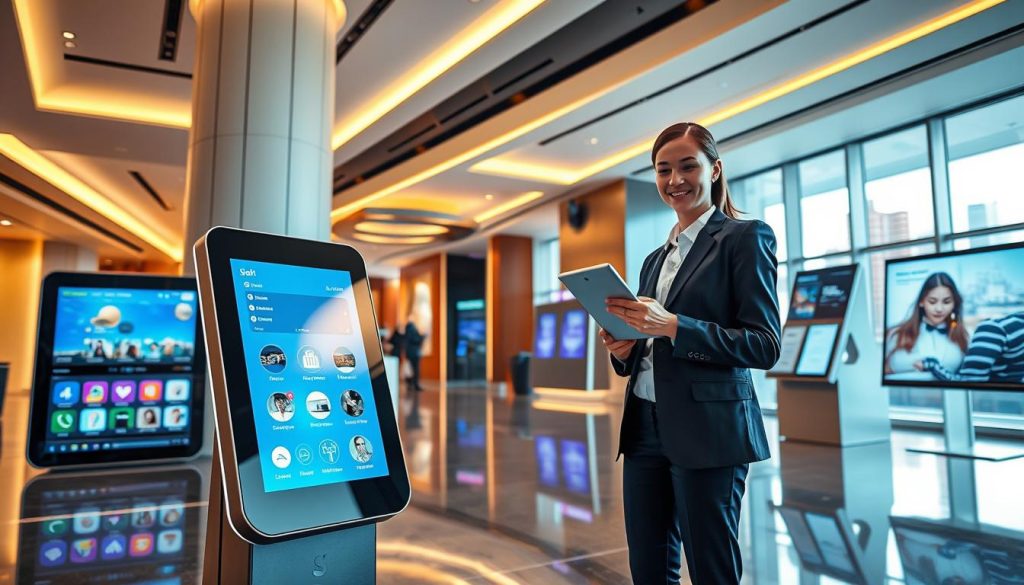
True efficiency requires seamless communication between every department. Using modern hotel management software tools, you can ensure that housekeeping updates, maintenance requests, and guest preferences are shared instantly across the entire property. This connectivity reduces human error and significantly improves the speed of service.
Adopting smart hotel technology further enhances this workflow by automating routine tasks. For instance, AI-driven IoT devices can now adjust room settings based on individual guest preferences before they even arrive. These integrated systems help you achieve the following operational advantages:
- Reduced manual data entry, which minimises costly administrative errors.
- Enhanced inter-departmental communication, ensuring staff are always aligned.
- Improved guest satisfaction through faster, more personalised service delivery.
- Scalable infrastructure that supports your business as it grows.
If you are looking to streamline your operations, exploring specialised software solutions is a vital step. By connecting your fragmented systems, you empower your team to focus on what matters most: delivering an exceptional guest experience.
Elevating Guest Engagement through Smart Technology
Today’s travellers expect a seamless journey that anticipates their needs at every touchpoint. By adopting the latest tech advancements in hospitality, you can remove friction from the moment a booking is made. This proactive approach ensures that your property remains competitive in a crowded market.
The Role of Mobile-First Guest Journeys
A mobile-first strategy is essential for modern operations. Guests now prefer to manage their stay via their own devices, from digital check-in to room access. You can improve hotel guest experience by providing instant access to services without the need for front-desk queues.
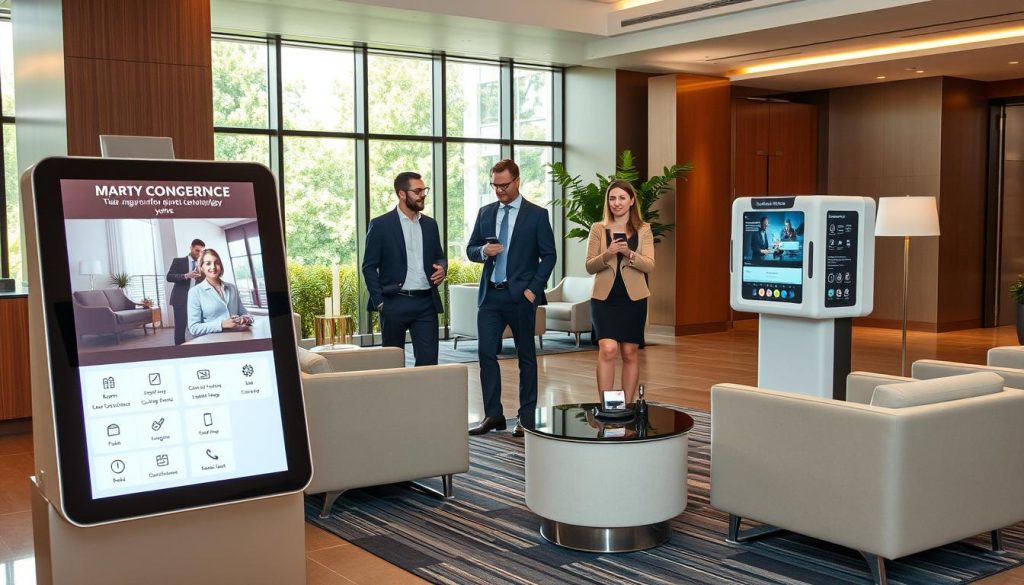
Implementing smart hotel technology allows you to capture valuable data throughout the guest lifecycle. This information helps you tailor communications and services to individual preferences. When guests feel understood, their satisfaction levels rise significantly.
Leveraging Technology to Enhance Loyalty and Retention
Direct bookings are the lifeblood of a profitable hotel. By using integrated systems to reward repeat guests, you reduce your reliance on expensive third-party booking channels. Understanding current hospitality technology trends is the first step toward building a sustainable loyalty program.
Furthermore, ai in the hotel industry enables hyper-personalised experiences that anticipate guest needs before they are even expressed. These tools also support dynamic pricing strategies that adjust room rates based on real-time demand and market conditions. By integrating these systems, you foster deeper connections with your guests and drive long-term business growth.
- Automate routine guest requests to save staff time.
- Use data analytics to offer personalised room upgrades.
- Implement mobile keys to streamline the arrival process.
- Deploy AI chatbots for 24/7 guest support.
Conclusion
The future of hotel technology relies on the seamless integration of systems that empower operators to make data-driven decisions. Success in this market requires a shift toward automation and a guest-centric approach to digital transformation.
This hotel technology report highlights the critical need for connectivity across your entire venue. By partnering with platforms like Hospoware, you eliminate operational friction and ensure your business remains resilient. You gain the tools necessary to thrive in a changing landscape.
We encourage you to review these hospitality industry updates regularly to stay ahead of the curve. Implementing these strategies now will help you optimise your operations for long-term growth. The future of hotel technology is within your reach when you choose the right partners.
Take the next step in your digital journey today. Your ability to adapt defines your success in the Australian market.











