
Embracing a digital transformation in hospitality is no longer optional for those wanting to stay competitive. By connecting your fragmented tools, you regain control over your workflow and boost overall efficiency. Understanding the latest technology trends in hospitality allows you to replace manual headaches with automated, data-driven success.
This guide explores how you can leverage modern tools to streamline your business. We will show you how to turn complex challenges into measurable business advantages through smart integration.
Key Takeaways
- Fragmented systems create unnecessary friction that hinders your venue’s growth.
- Digital transformation is essential for managing rising costs and labour shortages.
- Integrated solutions allow you to regain control over daily workflows.
- Modern technology helps you meet changing guest expectations with ease.
- Strategic adoption of new tools leads to clear, measurable business gains.
The Current State of Australian Hospitality Operations
The Australian hospitality industry is currently navigating its most significant period of change in decades. Operators who rely on legacy manual processes are finding it increasingly difficult to maintain margins in a high-cost environment. The era of pen-and-paper management is rapidly fading as efficiency becomes the primary driver of profitability.
Adapting to the post-pandemic digital landscape
The post-pandemic era has forced a permanent shift in how venues operate. We have seen a clear move toward a digital-first approach to remain competitive. Digital transformation in hospitality is no longer an optional upgrade; it is a survival strategy for businesses facing rising labour and supply costs.
By integrating technology into daily workflows, you can regain control over your overheads. This transition allows you to replace fragmented, manual tasks with streamlined, automated systems. Embracing this change is the only way to ensure long-term viability in a volatile market.
The shift towards guest-centric digital experiences
Modern consumers now demand speed and convenience above all else. The Australian hospitality industry has responded by prioritising digital touchpoints that remove friction from the guest journey. From contactless ordering to instant booking confirmations, the focus is squarely on the user experience.
Guest-centric digital experiences are essential for building loyalty in a crowded market. When you provide a seamless, tech-enabled service, you reduce wait times and improve overall satisfaction. Aligning your internal systems with these evolving market expectations is the most effective way to secure your venue’s future.
Streamlining Front-of-House Efficiency with Modern POS Systems
Modern restaurant management software is the engine that drives your front-of-house success. By centralising your operations, you eliminate the friction that often slows down service during peak hours. A robust system ensures that your staff spends less time troubleshooting technology and more time delivering exceptional guest experiences.
Benefits of cloud-based point-of-sale solutions
Transitioning to cloud-based hospitality solutions provides the operational flexibility required to manage high-volume service periods without the risk of system crashes. Unlike legacy hardware, these platforms update automatically and sync data across multiple devices instantly. This reliability ensures that your service remains uninterrupted, even when your venue is at full capacity.
Integrating mobile ordering for faster table turnover
Speed is the primary currency in a busy Australian café or restaurant. By leveraging POS system integration with mobile ordering tools, you allow guests to place orders directly from their tables. This reduces the time staff spend manually entering tickets, which directly increases your table turnover rates.
When your front-of-house team is freed from repetitive data entry, they can focus on table maintenance and guest engagement. This shift in workflow is essential for maintaining a high-velocity service environment. It also minimises human error, ensuring that kitchen tickets are accurate every single time.
Real-time inventory tracking and waste reduction
Effective restaurant inventory management is the key to protecting your profit margins. Modern systems track every ingredient used in real-time, providing you with an accurate view of your stock levels at any moment. This visibility prevents costly stockouts and allows you to order supplies based on actual consumption patterns.
By monitoring your inventory closely, you can identify which menu items are driving waste and adjust your purchasing accordingly. Reducing food waste not only lowers your operational costs but also supports a more sustainable business model. Consistent tracking turns your inventory from a hidden expense into a manageable asset.
Optimising Guest Journeys through Property Management Systems
Delivering a seamless guest experience requires more than just a friendly smile at the front desk. In today’s competitive market, you need robust guest experience technology that works behind the scenes to remove friction. By leveraging advanced cloud-based hospitality solutions, you can ensure every touchpoint is efficient and professional.
Automating check-in and check-out processes
Long queues at the reception desk are a primary source of frustration for modern travellers. Automating these arrival and departure steps allows your guests to bypass traditional bottlenecks entirely. Self-service kiosks or mobile check-in options empower your visitors to manage their own time while freeing your staff to focus on high-value interactions.
Personalising guest communication via CRM integration
Data is your most valuable asset when it comes to building long-term loyalty. By utilising a dedicated hospitality CRM, you can capture preferences and past stay details to tailor every message. This level of personalisation makes guests feel recognised and valued, which significantly increases the likelihood of repeat bookings.
Centralising booking data to prevent overbooking
Fragmented systems often lead to costly errors and double bookings. When you combine your booking engine with POS system integration, you create a single source of truth for your inventory. This centralisation ensures that your availability is always accurate across all channels, protecting your revenue and your reputation.
Enhancing Staff Productivity with Automated Scheduling Tools
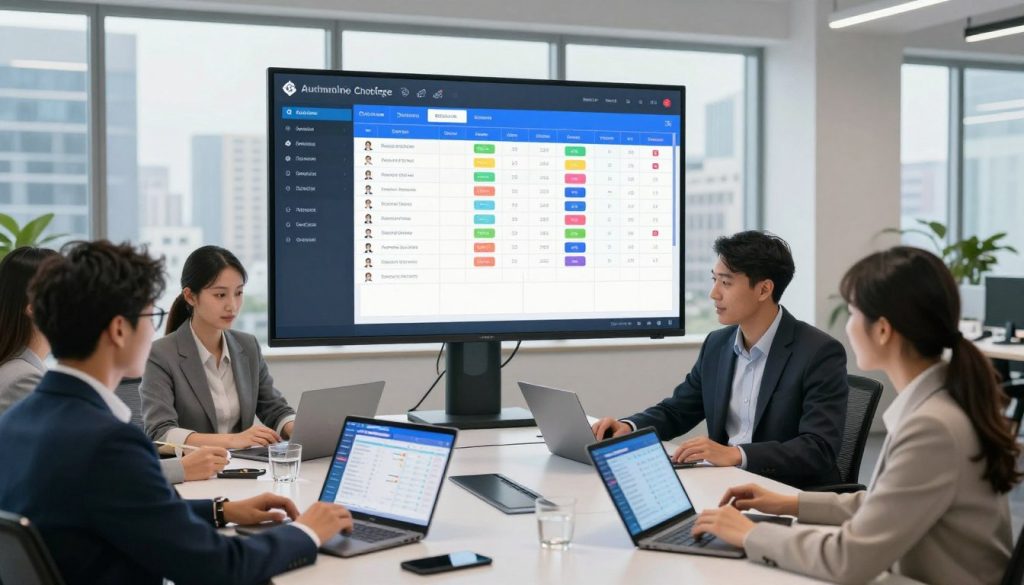
Your biggest operational expense is labour, and it requires precision to manage effectively. Relying on manual spreadsheets often leads to errors and wasted hours. By adopting automated staff scheduling, you can transform how your venue operates on a daily basis.
Reducing administrative burden for managers
Managers should spend their time leading the floor, not buried in paperwork. Modern restaurant management software automates the creation of rosters based on historical sales data and staff availability. This shift allows your leadership team to focus on guest satisfaction and service quality rather than administrative tasks.
Improving communication between back-of-house and front-of-house
Fragmented communication often causes friction between kitchen and service teams. Integrated platforms bridge this gap by providing a single source of truth for shift changes and updates. When your staff can access their schedules and swap shifts through a mobile app, you eliminate the confusion that typically leads to service delays.
Managing labour costs in line with Australian award rates
Staying compliant with complex Australian award rates is a significant challenge for any business owner. Automated tools provide labour cost control by flagging potential overtime or penalty rate issues before they occur. This proactive approach ensures your staffing levels remain optimised for both peak performance and profitability.
By leveraging these digital solutions, you gain the visibility needed to make smarter financial decisions. Consistent labour cost control protects your margins while keeping your team happy and well-informed. Investing in the right technology is the most effective way to maintain a competitive edge in today’s market.
Leveraging Data Analytics for Informed Business Decisions
In the competitive Australian market, your ability to interpret operational data determines your long-term success. Moving from reactive management to a proactive strategy requires a clear view of your venue’s performance. By utilising hospitality data analytics, you can stop relying on guesswork and start making decisions backed by hard evidence.
Tracking key performance indicators in real-time
Effective management relies on having access to your numbers as they happen. Through real-time reporting, you gain immediate visibility into sales velocity, table turnover rates, and average spend per head. This level of transparency allows you to identify bottlenecks before they impact your bottom line.
When you monitor these metrics constantly, you maintain full control over your daily operations. You can adjust your service flow instantly to ensure that your team remains efficient during peak trading hours. This proactive approach is a hallmark of high-performing venues across Australia.
Predicting demand patterns to optimise staffing levels
Labour is often your largest operational expense, making precise scheduling essential. By analysing historical trends and current booking data, you can accurately forecast your staffing requirements for upcoming shifts. This ensures you are never overstaffed during quiet periods or understaffed when the rush hits.
Advanced guest experience technology helps you align your roster with actual customer demand. You can confidently allocate resources where they are needed most, protecting your margins without compromising on service quality. This data-driven strategy keeps your labour costs in line with industry standards.
Using customer feedback loops to refine service delivery
Your guests provide the most valuable insights into your business performance. By integrating real-time reporting with automated feedback tools, you can capture sentiment immediately after a dining experience. This creates a continuous loop that highlights exactly where your service excels and where it needs improvement.
Using hospitality data analytics to track this feedback allows you to make rapid, informed adjustments to your menu or service style. When you act on guest sentiment, you build stronger loyalty and improve your reputation. Leveraging guest experience technology in this way ensures your venue remains relevant and highly competitive.
Improving Sustainability and Energy Management
Reducing your environmental footprint is no longer just a brand preference; it is a strategic necessity. For Australian operators, sustainability is a critical component of reducing operational costs. By integrating smart systems, you can transform your venue into a leaner, more profitable business.
Smart building technology for energy efficiency
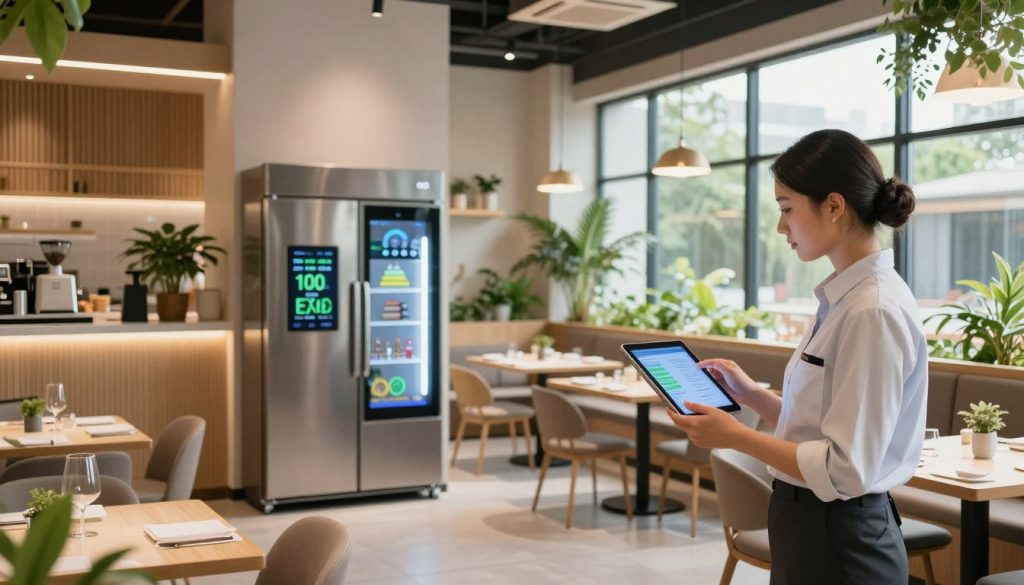
Implementing energy efficiency for restaurants starts with intelligent infrastructure. Automated lighting, climate control, and smart refrigeration sensors ensure that power is only used when necessary. These systems prevent energy leakage during off-peak hours, leading to significant savings on your monthly utility bills.
Reducing paper waste through digital menus and receipts
Physical waste is a hidden drain on your resources and your budget. By adopting digital menu solutions, you eliminate the recurring costs of printing and updating paper menus. Transitioning to electronic receipts further streamlines your operations while demonstrating a commitment to modern, eco-friendly service.
Monitoring utility consumption to lower operational costs
Data-driven oversight is the final piece of the puzzle for sustainable hospitality practices. Real-time monitoring allows you to track water, gas, and electricity usage across your entire venue. When you identify spikes in consumption, you can take immediate action to correct inefficiencies before they impact your bottom line.
Overcoming Implementation Challenges in Local Businesses
Digital transformation in the Australian hospitality industry requires more than just a software purchase. You must view technology as a catalyst for change rather than a simple plug-and-play solution. Success hinges on your ability to manage the transition effectively while keeping your team aligned with your business goals.
Training staff to embrace new digital workflows
Effective hospitality staff training is the cornerstone of any successful digital rollout. If your team does not understand the “why” behind the new tools, they will likely revert to old, inefficient habits. You should invest time in hands-on workshops that demonstrate how these systems make their daily tasks easier and faster.
Encourage your managers to act as internal champions for the new software. When staff see leadership actively using the technology, they are more likely to adopt it themselves. Consistent feedback loops during the initial weeks will help you identify friction points and provide additional support where needed.
Ensuring cybersecurity and data privacy compliance
As you digitise your operations, your focus must shift toward robust hospitality cybersecurity. Protecting sensitive guest information is not just a technical requirement; it is a fundamental part of maintaining customer trust. You must ensure that all your digital platforms comply with local privacy regulations to avoid costly legal risks.
Regularly update your software and enforce strict access controls for all employees. Using multi-factor authentication for your POS and management systems adds a vital layer of security. Never underestimate the importance of keeping your digital infrastructure shielded from potential threats.
Selecting scalable technology partners for long-term growth
Choosing the right scalable technology for venues is a strategic decision that impacts your future. You need partners who understand the unique operational requirements of the local market and can grow alongside your business. Avoid vendors that offer rigid, one-size-fits-all packages that might limit your expansion.
Look for providers that offer modular solutions, allowing you to add features as your venue evolves. A reliable partner will provide ongoing support and regular updates to keep your systems current. Investing in flexible, integrated platforms ensures that your technology remains an asset rather than a bottleneck as you scale your operations.
Conclusion
Technology serves as the primary driver for eliminating operational friction and achieving long-term success in the modern hospitality sector. By integrating your systems, you gain the clarity needed to make decisive, data-backed choices for your business.
You should start small by focusing on your most pressing pain points. Building a scalable digital foundation allows your venue to adapt to changing consumer demands. This approach transforms how you manage daily hospitality operations.
Your commitment to operational excellence defines your competitive advantage across the Australian market. Modern tools provide the leverage required to stay ahead of industry shifts. Take control of your systems today to ensure your business thrives in a digital-first environment.











