
Technology has become the backbone of successful hospitality operations across Australia. From busy Melbourne cafés to luxury Sydney hotels, restaurant owners and venue operators are discovering that the right hospitality technology transforms how they serve guests, manage staff, and grow their business.
The hospitality industry faces unique challenges. Staff shortages, rising costs, changing guest expectations, and intense competition create pressure on every aspect of operations. Yet Australian businesses that embrace hospitality technology are turning these challenges into opportunities.
This comprehensive guide explores the technology solutions reshaping the hospitality industry. Whether you operate a small café or manage multiple venues, you’ll discover practical insights into management systems, automation, artificial intelligence, cloud technology, digital ordering, workforce solutions, procurement tools, marketing platforms, and analytics that drive real business results.
Hospitality Management Software: Your Operational Foundation
Hospitality management software serves as the central nervous system for modern venues. These comprehensive platforms connect every aspect of your business, from front-of-house service to back-office administration, creating seamless workflows that enhance guest experiences while improving operational efficiency.
Core Features of Management Systems
The best hospitality management software integrates multiple functions into a unified platform. These systems eliminate data silos and reduce the manual work that consumes valuable time.
Reservation Management
Control bookings across all channels with real-time availability updates and automated confirmations.
- Online booking integration
- Table management and floor plans
- Guest preference tracking
- Waitlist automation
Order Processing
Streamline service with integrated point of sale systems that connect kitchen, bar, and service areas.
- Menu management and modifiers
- Kitchen display systems
- Split billing and payment options
- Order accuracy improvements
Inventory Control
Track stock levels, manage suppliers, and reduce waste through automated inventory management.
- Real-time stock tracking
- Automated reordering alerts
- Waste monitoring and reporting
- Recipe costing and margins
Financial Reporting
Access comprehensive business intelligence through integrated reporting and analytics tools.
- Daily sales summaries
- Labour cost analysis
- Profit margin tracking
- Tax compliance reporting
Benefits for Australian Hospitality Businesses
Hospitality management systems deliver measurable improvements across multiple areas. Restaurant owners and hotel managers report significant time savings, cost reductions, and revenue increases after implementing integrated software solutions.
Time Efficiency
Automated processes reduce administrative tasks by up to 40%, freeing managers to focus on guest experience and team development rather than paperwork.
Cost Reduction
Better inventory control, labour optimisation, and waste reduction typically deliver 15-25% savings on operational costs within the first year.
Guest Satisfaction
Faster service, accurate orders, and personalised experiences create memorable moments that turn first-time guests into loyal regulars.
Hospoware: A Connected Ecosystem
Hospoware represents the evolution of hospitality management software into a truly connected ecosystem. Rather than juggling separate systems for point of sale, recruitment, procurement, and marketing, Australian hospitality businesses can access integrated solutions that work together seamlessly.
Integrated Hospitality Solutions
The Hospoware platform brings together essential tools for modern hospitality operations. Your POS system communicates with inventory management, staff scheduling connects to payroll, and marketing campaigns leverage customer data from every touchpoint.
This integration eliminates duplicate data entry, reduces errors, and provides a complete view of your business performance. When every system speaks the same language, you make better decisions faster.
- Unified data across all business functions
- Single dashboard for complete visibility
- Automated workflows between systems
- Real-time insights from connected data
Key Takeaways
- Management systems integrate all operational aspects into unified platforms
- Australian businesses report 40% time savings and 15-25% cost reductions
- Connected ecosystems like Hospoware eliminate data silos and improve decision-making
- Integration between functions creates competitive advantages in service and efficiency
Automation in Hospitality: Working Smarter, Not Harder
Automation transforms hospitality operations by handling repetitive tasks with consistency and precision. For Australian venue operators facing staff shortages and rising labour costs, automation technology provides relief while maintaining service quality that keeps guests returning.

Where Automation Makes the Biggest Impact
Smart automation focuses on tasks that consume time without adding value. By automating these areas, hospitality businesses redirect human effort toward guest interaction and creative problem-solving that technology cannot replicate.
Order Management
- Digital menus update pricing instantly
- Orders route to correct preparation areas
- Kitchen displays eliminate paper tickets
- Modification alerts prevent errors
- Completion notifications coordinate timing
Inventory Control
- Stock levels update with each sale
- Reorder alerts trigger automatically
- Waste tracking identifies patterns
- Recipe costs calculate in real-time
- Supplier orders generate from data
Guest Communication
- Booking confirmations send instantly
- Reminder messages reduce no-shows
- Feedback requests gather insights
- Special occasion notes trigger automatically
- Marketing messages personalise based on history
When to Automate
- Repetitive data entry tasks
- Routine communication messages
- Inventory calculations and tracking
- Report generation and formatting
- Payment processing and reconciliation
- Schedule creation and shift notifications
Keep Human-Focused
- Guest greeting and relationship building
- Complex problem resolution
- Menu recommendations and upselling
- Special occasion celebrations
- Handling unique guest requests
- Team coaching and development
Key Takeaways
- Automation handles repetitive tasks, freeing staff for guest interaction
- Order management, inventory, and communications offer the highest automation ROI
- Different hospitality sectors benefit from sector-specific automation priorities
- Balance automation with human service to maintain hospitality industry warmth
AI and Smart Technology: The Intelligence Behind Better Decisions
Artificial intelligence is revolutionizing how hospitality businesses understand guests, predict demand, and optimise operations. For Australian restaurant owners and hotel managers, AI technology delivers insights that were previously impossible to obtain, enabling smarter decisions that improve both guest satisfaction and profitability.

Practical AI Applications in Hospitality
Artificial intelligence in hospitality extends far beyond chatbots. Modern AI systems analyze patterns, predict trends, and provide recommendations that help businesses stay ahead of customer needs and market changes.
Customer Service Enhancement
AI-powered tools transform how hospitality businesses interact with guests before, during, and after visits. These systems learn from every interaction, continuously improving response quality and personalisation.
Demand Forecasting
Predictive analytics help hospitality businesses anticipate busy periods, optimise inventory, and schedule staff appropriately. This foresight reduces waste while ensuring adequate resources during peak demand.
Smart Technology for Guest Experience
Smart technology creates seamless, personalised experiences that enhance guest satisfaction throughout their journey. From booking to departure, intelligent systems anticipate needs and deliver convenience.

Personalisation Engines
AI analyzes guest data to create tailored experiences. Systems remember dietary preferences, celebrate special occasions, and suggest menu items based on past orders, making each guest feel valued and understood.
- Automatic recognition of returning guests
- Customised offers based on preferences
- Special occasion triggers and celebrations
- Dietary restriction flagging and menu filtering
Smart Room Technology
Hotels deploy intelligent systems that learn guest preferences for temperature, lighting, and entertainment. Rooms adjust automatically to create the perfect environment without manual intervention.
- Voice-activated room controls
- Automated climate adjustment
- Personalised entertainment recommendations
- Energy efficiency optimisation
Predictive Maintenance
AI monitors equipment performance, predicting failures before they occur. This proactive approach prevents service disruptions and extends the life of expensive hospitality equipment.
- Equipment health monitoring
- Failure prediction and prevention
- Maintenance scheduling optimisation
- Cost reduction through early intervention
Revenue Optimisation Through AI
Artificial intelligence helps hospitality businesses maximize revenue through dynamic pricing, upselling recommendations, and yield management strategies that respond to market conditions in real-time.
Key Takeaways
- AI delivers practical benefits in customer service, forecasting, and personalisation
- Smart technology enhances guest experiences while optimising operational efficiency
- Predictive analytics reduce waste and improve resource allocation
- Revenue management AI adapts pricing and recommendations to maximize profitability
Cloud Technology: Access Your Business Anywhere, Anytime
Cloud technology has transformed hospitality management from desk-bound systems to flexible, accessible platforms. Australian hospitality businesses embracing cloud solutions gain real-time visibility, multi-location coordination, and the freedom to manage operations from anywhere with internet access.

Understanding Cloud-Based Systems
Cloud hospitality technology stores data and runs applications on remote servers accessed through the internet. This architecture eliminates expensive on-site hardware, automatic updates, and enables instant access from any device.
Traditional On-Premise Systems
- Requires dedicated hardware and servers
- Manual software updates and maintenance
- Limited to on-site access
- High upfront investment costs
- Vulnerable to local hardware failures
- Difficult to scale across locations
Modern Cloud Solutions
- Accessed through web browsers and apps
- Automatic updates and new features
- Access from anywhere, any device
- Subscription-based affordable pricing
- Redundant backup and disaster recovery
- Seamless multi-location management
Benefits for Multi-Location Operations
Restaurant groups, hotel chains, and venue operators with multiple locations gain enormous advantages from cloud technology. Centralized data, standardized processes, and consolidated reporting transform how businesses grow and manage expansion.


Centralized Data Management
View performance across all locations from a single dashboard. Compare sales, track trends, and identify opportunities without logging into separate systems or consolidating spreadsheets.

Standardized Operations
Implement consistent processes, menus, and service standards across every location. Changes roll out instantly, ensuring brand consistency and simplified staff training.

Consolidated Reporting
Generate comprehensive reports that aggregate data from all locations. Understand total business performance, compare location efficiency, and make strategic decisions based on complete information.
Real-Time Data Access and Decision Making
Cloud systems provide instant visibility into operations, enabling faster responses to challenges and opportunities. Managers make informed decisions based on current data rather than outdated reports.
Operational Insights
- Live sales tracking throughout service
- Current inventory levels across venues
- Real-time table status and waitlists
- Staff clock-in status monitoring
- Kitchen efficiency and timing data
Financial Visibility
- Up-to-the-minute revenue reporting
- Labour cost percentage tracking
- Gross profit margins by category
- Payment processing and settlements
- Cash flow visibility and forecasting
Guest Intelligence
- Current booking status and availability
- Guest feedback and ratings monitoring
- Loyalty program participation tracking
- Marketing campaign performance
- Customer acquisition and retention metrics
Scalability and Business Growth
Cloud technology grows with your business. Adding locations, increasing transaction volume, or expanding service offerings happens seamlessly without infrastructure limitations that constrain traditional systems.
“Moving to cloud-based hospitality technology was the best decision for our growing restaurant group. We went from three locations to ten in two years, and our management systems scaled effortlessly. We have complete visibility across all venues and can respond to issues immediately.”
Key Takeaways
- Cloud technology eliminates hardware costs and provides anywhere access
- Multi-location operators gain centralized control and standardized processes
- Real-time data enables faster, more informed decision-making
- Cloud systems scale seamlessly to support business growth and expansion
Digital Ordering Solutions: Meeting Modern Guest Expectations
Digital ordering has evolved from convenience to expectation. Australian hospitality businesses implementing online ordering, QR code menus, and self-service options meet customer demand while increasing order accuracy, reducing labour pressure, and capturing valuable sales data.

Online Ordering and Delivery Integration
Online ordering platforms extend your reach beyond physical premises, capturing orders from guests at home, at work, or on the go. Integration with your POS system ensures orders flow seamlessly into kitchen workflows without manual re-entry.
Benefits of Integrated Online Ordering
- Increased revenue from delivery and takeaway channels
- Orders automatically route to kitchen display systems
- Menu updates sync instantly across all platforms
- Customer data captured for marketing and loyalty programs
- Reduced phone order disruption to front-of-house staff
- Order accuracy improvements eliminate miscommunication
Hospitality businesses report 25-40% revenue increases after implementing professional online ordering solutions. This additional revenue stream requires minimal overhead while capturing market share from competitors without digital capabilities.
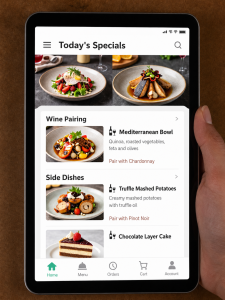
QR Code Menus and Contactless Ordering
QR code technology transformed from pandemic necessity to permanent fixture in Australian hospitality. Guests appreciate the convenience, while operators benefit from reduced printing costs, instant menu updates, and valuable ordering data.

| Feature | Traditional Menus | QR Code Digital Menus | Business Impact |
| Menu Updates | Requires reprinting entire inventory | Instant updates across all locations | Reduced printing costs, menu flexibility |
| Item Information | Limited space for descriptions | Detailed descriptions, photos, dietary info | Better informed guest decisions |
| Ordering Process | Requires staff availability | Guests order at their convenience | Faster table turns, labour efficiency |
| Data Collection | Minimal customer insights | Tracks popular items, ordering patterns | Menu optimisation, inventory planning |
| Language Options | Expensive multi-language printing | Instant language switching | Better international guest service |
Self-Service Kiosks and Order Stations
Self-service technology reduces queues, increases order accuracy, and drives higher average transaction values through strategic upselling prompts. Quick-service restaurants and cafés particularly benefit from kiosk implementations.

Queue Reduction
Multiple kiosks handle simultaneous orders, eliminating bottlenecks during peak periods. Guests appreciate faster service, while staff focus on food preparation and customer service rather than order taking.

Order Accuracy
Guests input orders directly, eliminating miscommunication between customer and staff. Modifications, dietary requirements, and special requests are captured precisely, reducing remakes and guest dissatisfaction.

Upselling Opportunities
Strategic prompts suggest additions, upgrades, and complementary items at optimal moments. Data shows self-service orders average 15-30% higher than traditional counter orders through effective digital upselling.
POS System Integration
Effective digital ordering requires seamless integration with your point of sale system. The Hospoware POS platform connects all ordering channels—dine-in, takeaway, delivery, and online—into a unified system that streamlines operations and consolidates data.
Connected Ordering Ecosystem
When digital ordering integrates with your POS, every transaction updates inventory in real-time, flows directly to kitchen preparation areas, and contributes to comprehensive reporting. This connectivity eliminates data silos and reduces the manual reconciliation that wastes valuable time.
The Hospoware POS solution manages multiple ordering channels through a single platform, ensuring consistency, accuracy, and operational efficiency regardless of how guests choose to order.
- Unified menu management across all channels
- Real-time inventory deductions and alerts
- Consolidated reporting from all revenue streams
- Customer data capture for marketing and loyalty
- Integrated payment processing and reconciliation
Key Takeaways
- Digital ordering meets modern guest expectations and increases revenue
- QR code menus reduce costs while providing flexibility and enhanced information
- Self-service kiosks improve efficiency, accuracy, and average transaction values
- POS integration creates seamless workflows across all ordering channels
Workforce Management: Optimising Your Most Valuable Asset
Staff represent the largest operating expense and most critical success factor in hospitality. Workforce management technology helps Australian businesses find, schedule, and retain quality team members while controlling labour costs and maintaining service excellence.

Scheduling and Rostering Solutions
Creating optimal schedules balances customer demand, labour budget, staff availability, and compliance requirements. Modern rostering tools automate this complexity, producing efficient schedules in minutes rather than hours.
Manual Scheduling Challenges
- Hours spent creating weekly rosters
- Difficulty balancing skills and availability
- Last-minute changes require phone calls
- Award compliance risks and penalties
- Over or under-staffing impacts service and costs
- Limited visibility into labour cost percentages
Automated Scheduling Benefits
- Rosters generated in minutes with AI assistance
- Automatic skills matching and availability checking
- Staff receive schedules via mobile apps
- Built-in award interpretation and compliance
- Demand forecasting optimises coverage
- Real-time labour cost tracking against budgets
Time Tracking and Attendance
Accurate time tracking ensures staff are paid correctly, provides data for labour cost analysis, and eliminates the buddy punching and time theft that impact profitability. Digital time clocks integrate with payroll systems for seamless processing.

Clock-In Solutions
- Biometric verification prevents buddy punching
- Mobile app clock-in for flexible workers
- GPS verification for off-site staff
- Photo capture with time stamps
- Automatic break enforcement and compliance
Attendance Management
- Real-time attendance dashboards
- Automatic late arrival notifications
- Absence pattern identification
- Leave request and approval workflows
- Attendance reports for performance reviews
Payroll Integration
- Automatic timesheet generation
- Award rate calculations
- Overtime and penalty rate tracking
- Single Touch Payroll compliance
- Seamless data export to accounting systems
Staff Communication Tools
Effective communication keeps teams informed, engaged, and aligned with business goals. Modern communication platforms designed for hospitality eliminate the chaos of group texts and provide structured channels for different message types.
Shift Communication
Share important information about bookings, menu changes, VIP guests, and operational updates. Staff access critical information before shifts begin, reducing briefing time and improving preparedness.
Shift Swaps and Coverage
Staff request shift swaps through mobile apps, managers approve with one tap, and schedules update automatically. This flexibility improves work-life balance and reduces last-minute staffing emergencies.
Training and Development
Distribute training materials, track completion, and communicate skill development opportunities. Structured communication supports team growth and improves service quality across all locations.
Recruitment and Talent Acquisition
Finding quality hospitality staff remains one of the biggest challenges for Australian businesses. Technology streamlines recruitment, helps identify the best candidates, and reduces time-to-hire for critical positions.

The Hospoware recruitment platform connects hospitality businesses with qualified candidates actively seeking opportunities. Purpose-built for the hospitality industry, this solution understands the unique requirements of restaurant, café, hotel, and venue hiring.
Streamlined Hiring Process
From posting positions to onboarding new team members, recruitment technology reduces administrative burden while improving candidate experience and selection quality.
- Job posting distribution across multiple platforms
- Applicant tracking and candidate management
- Automated screening and qualification matching
- Interview scheduling and coordination tools
- Reference checking and background verification
- Digital onboarding and compliance documentation
Key Takeaways
- Automated scheduling saves hours while optimising labour costs and compliance
- Digital time tracking eliminates payroll errors and provides valuable labour data
- Communication tools keep teams informed and enable flexible shift management
- Recruitment technology reduces time-to-hire and improves candidate quality
Procurement and Inventory Management: Control Costs and Reduce Waste
Food and beverage costs typically represent 30-35% of revenue in hospitality. Effective procurement and inventory management technology reduces waste, optimises ordering, negotiates better supplier pricing, and provides visibility into costs that directly impact profitability.

Streamlining Supplier Orders
Traditional procurement involves phone calls, emails, and manual order consolidation across multiple suppliers. Digital procurement platforms centralize ordering, compare pricing, and maintain complete supplier relationship history.
Digital Procurement Advantages
- Single platform for all supplier ordering
- Electronic order placement and confirmation
- Automated delivery scheduling and tracking
- Price comparison and spend analysis
- Historical order data for trend analysis
- Supplier performance monitoring and rating
- Invoice matching and payment processing
Procurement technology saves hospitality businesses 5-10 hours per week on ordering administration while reducing costs through better pricing visibility and supplier competition.

Stock Control and Waste Reduction
Real-time inventory tracking identifies what you have, what you need, and what’s approaching expiration. This visibility enables proactive management that prevents stock-outs during service while minimizing waste from spoilage.

| Inventory Challenge | Technology Solution | Business Impact |
| Manual stock counts time-consuming | Barcode scanning and mobile inventory apps | Counts completed 70% faster with improved accuracy |
| Uncertain about current stock levels | Real-time inventory updates with each sale | Always know what’s available, prevent stock-outs |
| Food waste from spoilage | Expiration tracking and FIFO management | Reduce waste by 20-30%, improve food cost percentage |
| Over-ordering ties up cash | AI-powered reorder point suggestions | Optimise working capital and storage space |
| Recipe costing uncertainty | Automated recipe cost calculations | Accurate menu pricing and margin visibility |
Recipe Costing and Menu Engineering
Understanding true recipe costs enables profitable menu pricing decisions. Modern systems calculate recipe costs automatically as ingredient prices change, alerting managers when margins compress and adjustments are needed.

Dynamic Recipe Costing
Link recipes to inventory items and supplier pricing. Costs update automatically when supplier prices change, providing current margin information for every menu item.

Menu Performance Analysis
Identify which items drive profit and which underperform. Menu engineering analysis reveals opportunities to promote high-margin items and adjust or eliminate unprofitable offerings.

Portion Control
Standardized recipes with portion specifications ensure consistency while protecting margins. Kitchen staff follow precise measurements, maintaining quality while controlling costs.
Procurement Platform Benefits
The Hospoware procurement solution brings together ordering, inventory, costing, and supplier management into an integrated platform designed specifically for Australian hospitality businesses. This comprehensive approach eliminates gaps between systems and provides complete visibility into procurement operations.
Integrated Procurement Ecosystem
Connect your entire supply chain from supplier relationships through inventory management to recipe costing. Data flows seamlessly between functions, eliminating manual data entry and providing comprehensive insights.
- Centralized supplier management and ordering
- Real-time inventory tracking and alerts
- Automated recipe costing and margin analysis
- Waste tracking and reduction reporting
- Integration with POS for automatic inventory deductions
- Comprehensive cost analysis and trend identification
Key Takeaways
- Digital procurement centralizes ordering and provides pricing visibility
- Real-time inventory tracking prevents stock-outs and reduces waste
- Automated recipe costing ensures profitable menu pricing
- Integrated platforms eliminate data gaps and improve decision-making
Marketing Technology: Engage Guests and Drive Repeat Business
Marketing technology helps hospitality businesses attract new guests, encourage repeat visits, and build lasting relationships. For Australian restaurant owners and venue operators, the right marketing tools transform one-time visitors into loyal advocates who drive sustainable revenue growth.

Email Marketing and Communication
Email remains one of the most effective marketing channels, delivering an average return of $42 for every dollar spent. Hospitality businesses use email to promote events, share menu updates, offer exclusive deals, and maintain regular contact with customers.
Effective Email Campaigns
- Welcome series for new customers
- Birthday and anniversary celebrations
- Event announcements and invitations
- Seasonal menu launches and specials
- Exclusive loyalty member offers
- Re-engagement campaigns for inactive guests
Email Marketing Best Practices
- Segment lists by preferences and behaviour
- Personalise content with customer data
- Mobile-optimise for smartphone reading
- Test subject lines and send times
- Include clear calls-to-action
- Track opens, clicks, and conversions
Social Media Tools and Management
Social media builds brand awareness, showcases your offerings, and creates community around your business. Marketing platforms help hospitality operators manage multiple social channels, schedule content, and engage with followers efficiently.

Content Planning
Plan and schedule social media posts across platforms. Maintain consistent presence without daily management burden, while reserving time for real-time engagement and community building.
Visual Storytelling
Share appealing food photography, behind-the-scenes content, and guest experiences. Visual platforms like Instagram drive discovery and booking platforms like for hospitality businesses.
Reputation Management
Monitor reviews and mentions across platforms. Respond promptly to feedback, address concerns professionally, and showcase positive experiences to attract potential guests.
Loyalty Programs and Customer Retention
Acquiring new customers costs 5-25 times more than retaining existing ones. Loyalty programs encourage repeat visits, increase average spend, and provide valuable customer data for personalised marketing.

| Loyalty Program Type | How It Works | Best For | Key Benefits |
| Points-Based | Earn points on purchases, redeem for rewards | Restaurants, cafés with frequent visits | Simple to understand, encourages repeat purchases |
| Tier-Based | Unlock benefits as spending increases | Hotels, upscale dining venues | Motivates higher spending, creates exclusivity |
| Subscription | Monthly fee for ongoing benefits | Coffee shops, casual dining | Predictable revenue, habit formation |
| Coalition | Partner with complementary businesses | Independent venues seeking scale | Broader rewards network, shared marketing costs |
Customer Engagement Platforms
Comprehensive marketing platforms bring together email, SMS, loyalty programs, and customer data into unified systems. This integration enables sophisticated campaigns that respond to customer behaviour and drive measurable results.
Data Collection
- Capture customer information at booking
- Track visit frequency and spending patterns
- Record menu preferences and dietary needs
- Monitor engagement with marketing campaigns
- Gather feedback and satisfaction scores
Segmentation
- Group customers by visit frequency
- Segment by spending levels and preferences
- Identify VIP guests and high-value customers
- Target lapsed guests for re-engagement
- Create location-specific audience groups
Automation
- Welcome campaigns for first-time guests
- Birthday and celebration messages
- Win-back campaigns for inactive customers
- Post-visit thank you and feedback requests
- Personalised offers based on behaviour
Integrated Marketing Solutions
Hospoware marketing tools connect with your POS, reservation system, and customer data to deliver sophisticated campaigns that drive bookings and revenue. This integration enables personalisation and automation that would be impossible with disconnected systems.
Connected Marketing Ecosystem
When marketing technology integrates with operational systems, every customer touchpoint becomes an opportunity. Transaction data informs email campaigns, loyalty rewards trigger automatically, and customer insights improve targeting precision.
- Unified customer profiles across all touchpoints
- Automated campaigns triggered by customer behaviour
- Loyalty program integration with POS transactions
- Reservation system connection for event marketing
- Comprehensive analytics measuring marketing ROI
- Multi-channel campaign coordination and tracking
Key Takeaways
- Email marketing delivers exceptional ROI for hospitality businesses
- Social media builds brand awareness and drives guest discovery
- Loyalty programs increase retention and customer lifetime value
- Integrated platforms enable sophisticated personalization and automation
Analytics and Reporting: Data-Driven Decisions for Growth
Data transforms hunches into insights. Analytics and reporting tools help hospitality businesses understand what’s working, identify opportunities, and make informed decisions that drive profitability and growth across every aspect of operations.

Key Performance Indicators for Hospitality
Tracking the right metrics provides visibility into business health and performance trends. The hospitality industry has specific KPIs that reveal operational efficiency, financial performance, and guest satisfaction levels.
Revenue Metrics
Monitor income streams and transaction patterns to understand sales performance and identify growth opportunities.
- Total revenue and revenue per available room
- Average transaction value and covers
- Revenue by daypart and service period
- Channel performance (dine-in vs delivery)
Cost Metrics
Track expenses relative to revenue to maintain healthy profit margins and identify cost-saving opportunities.
- Food cost percentage and variance
- Labour cost as percentage of revenue
- Waste and spoilage tracking
- Overhead and operating expense ratios
Efficiency Metrics
Measure operational performance to optimise productivity and service quality across all areas.
- Table turn times and seating efficiency
- Order accuracy rates and remakes
- Staff productivity and sales per labour hour
- Kitchen ticket times and service speed
Guest Metrics
Understand customer behaviour and satisfaction to improve experiences and build loyalty.
- Guest satisfaction scores and reviews
- Repeat visit frequency and retention
- Customer acquisition cost and lifetime value
- Loyalty program participation and engagement
Real-Time Dashboards and Visibility
Modern analytics platforms provide real-time visibility into operations through intuitive dashboards accessible from any device. Managers monitor performance during service and respond to issues immediately rather than discovering problems in historical reports.

Live Sales Monitoring
Watch revenue accumulate throughout service. Compare performance to previous periods, forecast daily totals, and identify slow periods that require promotional activation.
Labour Cost Tracking
Monitor labour costs as a percentage of revenue in real-time. Adjust staffing levels during slow periods and ensure adequate coverage during busy rushes.
Inventory Alerts
Receive notifications when stock levels drop below par or items approach expiration. Take action before running out of popular items or losing product to waste.
Historical Analysis and Trend Identification
Historical data reveals patterns that inform strategic decisions. Year-over-year comparisons, seasonal trends, and long-term performance analysis guide menu development, marketing timing, and operational improvements.
| Analysis Type | Insights Gained | Business Applications |
| Sales Trends | Identify peak periods, seasonal patterns, growth trajectories | Staffing optimization, inventory planning, promotional timing |
| Menu Performance | Popular items, profitable offerings, underperformers | Menu engineering, pricing decisions, product development |
| Customer Behavior | Visit frequency, spending patterns, preference trends | Marketing segmentation, loyalty design, experience personalization |
| Operational Efficiency | Service speed trends, productivity patterns, bottlenecks | Workflow improvements, training needs, capacity planning |
| Cost Analysis | Expense trends, cost variance, margin compression | Supplier negotiation, waste reduction, pricing adjustments |
Predictive Analytics and Forecasting
Advanced analytics use artificial intelligence to predict future performance based on historical patterns. Forecasting helps hospitality businesses prepare for demand, optimise purchasing, and schedule staff appropriately.

Making Data Accessible and Actionable
The best analytics tools transform complex data into clear insights that anyone can understand and act upon. Visual dashboards, automated alerts, and simplified reporting make data-driven decision-making accessible to all team members, not just data analysts.
“Before implementing proper analytics, we managed by instinct and experience. Now we have data showing exactly which menu items drive profit, when to schedule extra staff, and which marketing campaigns generate actual revenue. It’s transformed how we run the business.”
Key Takeaways
- Tracking KPIs provides visibility into business performance and health
- Real-time dashboards enable immediate response to operational issues
- Historical analysis reveals trends that inform strategic decisions
- Predictive analytics help forecast demand and optimize resource allocation
Customer Engagement Tools: Building Lasting Relationships
Guest relationships extend beyond single transactions. Customer engagement tools help hospitality businesses understand guest preferences, personalise experiences, gather feedback, and build the long-term relationships that drive sustainable success.

Customer Relationship Management Systems
CRM platforms centralize guest information, track interaction history, and enable personalised service that makes every guest feel valued. For hospitality businesses, CRM systems transform fragmented customer data into comprehensive profiles that improve service quality.
Guest Profile Components
- Contact information and communication preferences
- Visit history and frequency patterns
- Spending behavior and average transaction value
- Menu preferences and favorite items
- Dietary restrictions and allergies
- Special occasions and celebration dates
- Feedback history and service notes
- Loyalty program status and reward balance

Comprehensive customer profiles enable staff to deliver personalized service that delights guests. Servers greet returning customers by name, reference previous visits, and recommend items based on established preferences.
Personalised Guest Experiences
Technology enables personalisation at scale. Even busy venues with hundreds of daily guests can deliver individualised experiences when systems capture and surface relevant customer information at the right moments.

Recognition and Welcome
Greet returning guests by name and acknowledge their loyalty. Reference previous visits to create connection and demonstrate that you remember and value their patronage.
Preference-Based Service
Use preference data to guide recommendations and anticipate needs. Suggest menu items aligned with tastes, remember seating preferences, and accommodate special requests proactively.
Occasion Celebrations
Acknowledge birthdays, anniversaries, and special milestones automatically. Surprise guests with complimentary touches that create memorable moments and social media-worthy experiences.
Feedback Collection and Management
Guest feedback provides invaluable insights into experience quality and improvement opportunities. Modern feedback systems make it easy for guests to share opinions while giving businesses structured ways to respond and improve.
Collection Methods
- Post-visit email surveys
- SMS feedback requests
- QR code table surveys
- Review platform monitoring
- Social media listening
- Direct staff conversations
Analysis Approach
- Sentiment analysis of reviews
- Trend identification across feedback
- Service area performance comparison
- Staff mention tracking
- Issue categorisation and prioritisation
- Satisfaction score benchmarking
Response Strategy
- Immediate response to negative feedback
- Personal follow-up for serious concerns
- Public responses to online reviews
- Service recovery and compensation
- Recognition of positive feedback
- Operational improvements from insights
Building Guest Loyalty Through Engagement
Consistent engagement keeps your business top-of-mind and encourages repeat visits. The most successful hospitality businesses maintain regular, valuable contact with customers through multiple channels and touchpoints.
| Engagement Tactic | Frequency | Purpose | Best Practices |
| Welcome Communication | Once (first visit) | Set expectations, introduce brand, encourage return | Send within 24 hours, include special offer, personalize message |
| Regular Newsletter | Monthly | Share updates, promote events, maintain awareness | Consistent schedule, valuable content, clear call-to-action |
| Birthday/Anniversary | Annual | Celebrate occasions, drive visit, demonstrate care | Send week before date, include compelling offer, express genuine wishes |
| Event Invitation | As scheduled | Fill events, create excitement, strengthen community | Advance notice, exclusive access, simple RSVP process |
| Re-engagement Campaign | After 60-90 days inactive | Win back lapsed customers, prevent churn | Acknowledge absence, strong incentive, limited time offer |
Measuring Engagement Effectiveness
Track engagement metrics to understand which tactics drive visits and revenue. Optimization based on performance data ensures marketing efforts deliver maximum return on investment.

Key Takeaways
- CRM systems centralise guest data for personalised service delivery
- Personalisation creates memorable experiences that build loyalty
- Structured feedback collection provides actionable improvement insights
- Consistent engagement maintains top-of-mind awareness and drives repeat visits
Choosing the Right Technology Stack for Your Business
Selecting hospitality technology requires careful consideration of business needs, operational challenges, budget constraints, and growth plans. The right technology stack improves efficiency and guest experiences while delivering measurable return on investment.

Assessing Your Business Needs
Different hospitality businesses face unique challenges requiring tailored technology solutions. Start by identifying your primary pain points and operational objectives before evaluating specific platforms.
Small Café or Restaurant
Focus on affordability and ease of use while covering essential functions.
- Simple POS with payment processing
- Basic inventory tracking
- Digital ordering and QR menus
- Email marketing for promotions
Multi-Location Restaurant Group
Prioritize centralized management and standardization across venues.
- Cloud-based management platform
- Consolidated reporting and analytics
- Centralized procurement system
- Multi-location staff scheduling
Hotel or Accommodation
Emphasize guest management and property operations integration.
- Property management system
- Online booking engine
- Channel management platform
- Guest communication tools
Event Venue or Function Space
Concentrate on booking management and event coordination capabilities.
- Event booking and CRM system
- Capacity and floor plan management
- Catering and beverage management
- Client communication platform
Comparison of Technology Solution Types
Understanding different solution categories helps identify which tools address your specific requirements. Some businesses need comprehensive all-in-one platforms, while others benefit from best-of-breed solutions integrated together.
| Solution Type | Best For | Advantages | Considerations | Typical Cost |
| All-in-One Platform | Businesses seeking simplicity and integration | Single vendor, unified data, easier support | May lack specialised features, less flexibility | $200-500/month |
| Best-of-Breed Stack | Larger operations with complex needs | Specialized tools, maximum functionality | Integration complexity, multiple vendors | $500-2000/month |
| Modular Ecosystem | Growing businesses wanting flexibility | Start small, add modules as needed, integrated | Feature depth varies by module | $150-800/month |
| Custom Development | Large chains with unique requirements | Perfect fit for specific needs, full control | High cost, long timeline, ongoing maintenance | $50,000+ upfront |
Key Features to Prioritize
Certain features deliver disproportionate value regardless of business size or type. Focus on these capabilities when evaluating hospitality technology solutions.

Integration Capabilities
Ensure systems communicate seamlessly. Data should flow between POS, inventory, reservations, and marketing without manual transfer or reconciliation.
- API availability and documentation
- Pre-built integrations with common tools
- Real-time data synchronization
- Unified reporting across systems
Mobile Accessibility
Manage operations from anywhere using smartphones and tablets. Mobile access enables oversight while away from premises and empowers staff with handheld tools.
- Native mobile apps or responsive web
- Full functionality on mobile devices
- Offline capability for connectivity issues
- Mobile payment processing
Reporting and Analytics
Access comprehensive insights through intuitive dashboards and customizable reports. Data visibility drives better decisions across all business areas.
- Real-time operational dashboards
- Customizable report builder
- Scheduled report delivery
- Historical trend analysis
Implementation and Training Considerations
Successful technology adoption depends on proper implementation and team training. Even the best platforms fail if staff can’t use them effectively or implementation disrupts operations.
Implementation Success Factors
- Dedicated project manager and timeline
- Comprehensive data migration planning
- Phased rollout minimising disruption
- Adequate testing before go-live
- Clear communication with team
- Ongoing vendor support availability
Common Implementation Pitfalls
- Rushing deployment without proper planning
- Inadequate staff training and preparation
- Poor data quality in migration
- Lack of change management process
- Insufficient testing and validation
- No contingency or rollback plan
The Hospoware Connected Ecosystem Advantage
Choosing between multiple point solutions or an integrated ecosystem significantly impacts operational efficiency. Hospoware offers a comprehensive, connected platform specifically designed for Australian hospitality businesses.
Complete Hospitality Technology Solution
The Hospoware ecosystem brings together POS, recruitment, procurement, and marketing into a unified platform. This integration eliminates the complexity of managing multiple vendors while providing best-in-class functionality across all critical business areas.
- Integrated POS for all service models and venues
- Recruitment platform connecting hospitality talent
- Procurement system streamlining supplier management
- Marketing tools driving guest engagement
- Unified data and analytics across all functions
- Australian-based support understanding local needs
This connected approach delivers the specialization of best-of-breed solutions with the simplicity and integration of all-in-one platforms, providing the best of both worlds for hospitality operators.
Key Takeaways
- Assess specific business needs before selecting technology solutions
- Prioritize integration, mobile access, analytics, and scalability
- Consider total cost including implementation, training, and ongoing support
- Connected ecosystems reduce complexity while maintaining functionality
Conclusion: Embracing Technology for Hospitality Success
Hospitality technology has evolved from optional enhancement to operational necessity. Australian restaurant owners, café operators, hotel managers, and venue proprietors who embrace modern management systems, automation, artificial intelligence, and integrated platforms gain competitive advantages that drive guest satisfaction, operational efficiency, and sustainable profitability.

The hospitality industry continues to evolve rapidly. Guest expectations rise, competition intensifies, and operational challenges multiply. Yet businesses equipped with the right technology tools navigate these challenges successfully while those relying on outdated approaches fall behind.
Key Benefits of Modern Hospitality Technology
Operational Excellence
- Automated workflows save hours on administrative tasks
- Real-time visibility enables faster decision-making
- Integrated systems eliminate data silos and errors
- Analytics identify optimization opportunities
- Cloud access provides management flexibility
Enhanced Guest Experience
- Personalised service creates memorable moments
- Digital ordering improves convenience and accuracy
- Faster service reduces wait times
- Consistent quality maintains brand standards
- Engagement tools build lasting relationships
Taking Action: Your Technology Journey
Implementing hospitality technology may seem overwhelming, but the journey begins with small, strategic steps. Start by addressing your biggest pain points, whether that’s labour management, inventory control, guest engagement, or another area consuming time and resources.
- Identify your top three operational challenges or opportunities
- Research solutions specifically addressing those areas
- Request demonstrations from vendors serving Australian hospitality
- Evaluate integration capabilities with existing systems
- Start with core functionality and expand over time
- Invest in proper training and change management
- Measure results and optimize based on data
The Hospoware ecosystem provides Australian hospitality businesses with integrated technology covering point of sale, staff recruitment, procurement management, and marketing automation. This comprehensive approach simplifies technology decisions while delivering the specialised functionality hospitality operations require.
Transform Your Hospitality Business with Technology
Discover how the Hospoware connected ecosystem can streamline your operations, enhance guest experiences, and drive profitability for your Australian hospitality business. Whether you operate a café, restaurant, hotel, or venue, our integrated solutions deliver measurable results.
Final Thoughts
Technology empowers hospitality businesses to deliver exceptional experiences while optimizing operations and maximizing profitability. The investment in modern systems pays dividends through time savings, cost reductions, revenue growth, and competitive positioning. Australian hospitality operators embracing technology today position themselves for sustained success in an increasingly digital future.











