
The Australian hospitality landscape is changing rapidly. Ten years ago, desktop computers accounted for over 82% of web traffic, but today, mobile devices dominate how guests interact with your business. If your venue still relies on manual processes, you are likely losing ground to competitors who have embraced digital transformation.
Modern operators must move beyond fragmented systems to remain profitable. By implementing a robust system for table reservations, you can eliminate operational friction and regain control. Hospoware acts as a central ecosystem, connecting your front-of-house with back-end efficiency.
This connectivity allows you to streamline workflows, such as integrating QR code ordering to reduce staff dependency during peak hours. When you connect your technology, you stop managing systems and start managing the guest experience. It is time to simplify your operations and drive measurable growth.
Key Takeaways
- Mobile-first guest behaviour is now the standard for all Australian hospitality venues.
- Manual booking processes create operational friction that limits your daily revenue potential.
- Centralised digital ecosystems allow you to connect fragmented systems for better efficiency.
- Integrated technology helps your team handle peak periods without increasing headcount.
- Data-driven insights enable you to personalise guest experiences and increase long-term loyalty.
Understanding the Importance of Table Reservations
A robust reservation strategy does more than just fill seats; it transforms your entire business model. By moving away from the chaos of walk-ins, you gain the ability to forecast demand and control the pace of your service. This shift is essential for any venue looking to thrive in the competitive Australian hospitality landscape.
The Role of Reservations in Customer Experience
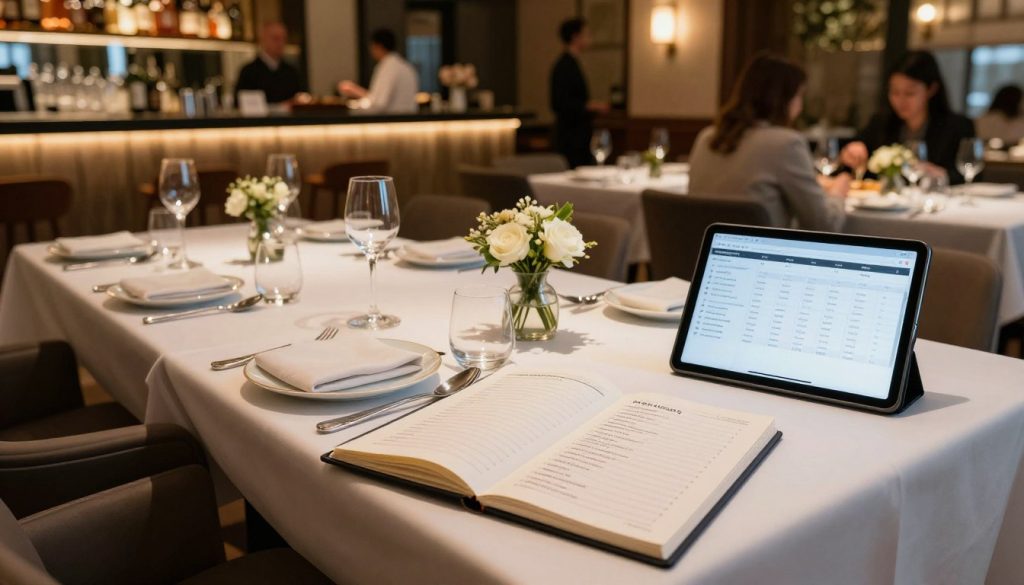
When guests choose to reserve seating, they are signalling a commitment to your venue. This allows you to personalise their arrival and manage their expectations before they even walk through the door. You can prepare for specific dietary needs or special occasions, ensuring a seamless experience that builds long-term loyalty.
Effective capacity planning ensures that your floor staff are never overwhelmed by sudden surges. By managing the flow of arrivals, you create a calm environment where your team can focus on high-quality service. This level of attention is what separates a standard meal from a memorable dining experience.
How Reservations Impact Venue Efficiency
Unpredictable demand is the primary driver of labour waste and staff burnout. When you rely on table reservations, you can roster your team based on actual booking data rather than guesswork. This reduces the pressure on your front-of-house staff during peak times and prevents overstaffing during quiet periods.
Smoothing out demand allows your kitchen to operate with greater precision. Your chefs can prepare for the exact number of covers, which significantly reduces food waste and improves consistency. This operational clarity is the hallmark of a well-managed, profitable venue.
Benefits for Both Customers and Businesses
The financial upside of a structured booking system is substantial. For example, filling four quiet evenings a week with just ten extra guests can generate over €1,100 in additional weekly contribution. These off-peak shifts are often underutilised, yet they represent a massive opportunity to maximise your existing fixed costs.
Customers also benefit from the certainty that their table will be ready upon arrival. They value the convenience of knowing their plans are secure, which encourages repeat visits. By balancing the needs of your guests with your operational requirements, you create a sustainable cycle of growth and profitability.
Best Practices for Managing Table Reservations
Managing table reservations effectively is the backbone of a profitable Australian hospitality business. When you move away from manual processes, you gain better control over your floor plan and staff allocation. This shift ensures that every guest interaction is smooth and professional from the moment they arrive.
Implementing an Efficient Reservation System
An online reservation system acts as a 24/7 digital concierge for your venue. By allowing guests to book a table online, you remove the burden of managing busy phone lines during peak service hours. This automation frees your team to focus on delivering high-quality service to guests already in the room.
A robust restaurant booking system provides real-time availability, which prevents double bookings and reduces human error. When you how to streamline restaurant reservations, you create a seamless experience that encourages repeat visits. Guests appreciate the convenience of being able to reserve seating at their preferred time without needing to speak with a staff member.
Leveraging Technology for Streamlined Processes
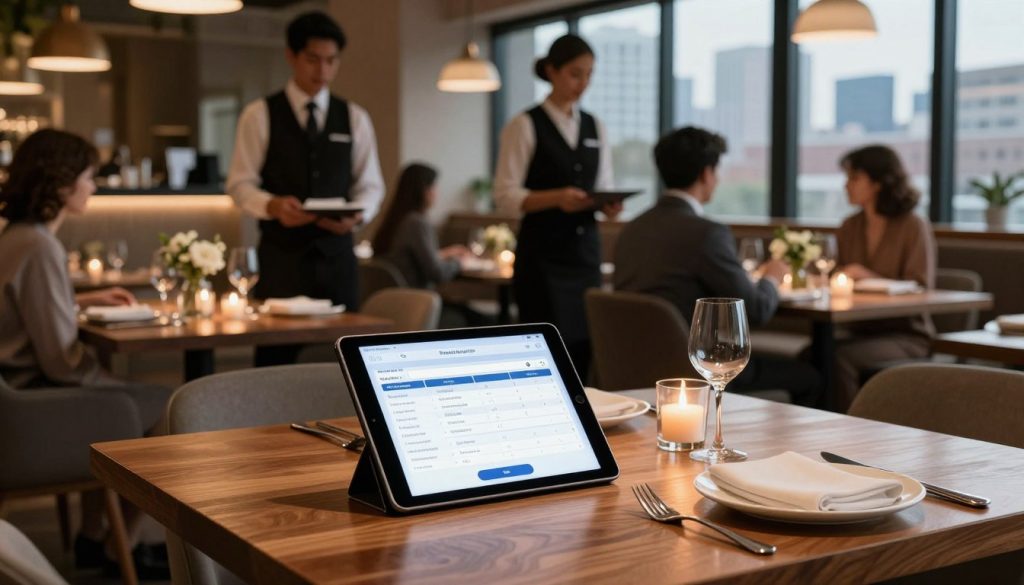
Modern venues require more than just a basic booking tool. Hospoware serves as a comprehensive hospitality technology ecosystem that connects your operations, staffing, procurement, marketing, and guest experience. By integrating your reservation data with these core functions, you gain a holistic view of your business performance.
Using a dedicated table booking app allows you to sync your front-of-house operations with kitchen output and inventory levels. This level of connectivity ensures that your procurement team knows exactly what stock is needed based on upcoming booking volumes. It is a pragmatic way to reduce waste and improve your bottom line.
Establishing Clear Cancellation Policies
No-shows can significantly impact your revenue and disrupt your service flow. Implementing a clear, transparent cancellation policy is essential for protecting your business interests. Ensure that your restaurant booking system communicates these terms clearly to guests during the booking process.
You should consider requiring credit card guarantees for larger groups or peak times to discourage last-minute cancellations. This approach encourages accountability and helps you manage your floor capacity more effectively. By setting firm expectations, you maintain a professional standard that respects both your staff’s time and your venue’s profitability.
Strategies to Increase Table Reservations
Increasing your reservation volume is about more than just filling seats; it is about building a sustainable database. With over 75% of diners on reservation platforms being first-time visitors, every booking represents a significant opportunity to convert a stranger into a loyal regular.
Promotions and Incentives for Reservations
Targeted incentives can effectively shift demand during your quieter mid-week periods. Consider offering a complimentary glass of local wine or a small discount for guests who choose to book a table online during off-peak hours. These small gestures reduce the friction of trying a new venue and encourage early commitment.
Data shows that these first-time visitors provide immense future value to your business. By capturing their contact details through your reservation system, you can nurture these relationships with personalised email marketing. This turns a one-off visit into a recurring revenue stream.
Collaborating with Local Influencers
Local influencers can amplify your venue’s reach within your specific community. Partnering with food bloggers or local lifestyle creators provides authentic social proof that resonates with potential diners. A well-executed campaign can drive immediate traffic and boost your brand visibility.
Ensure your collaborators provide a direct call to action in their content. By linking directly to your booking portal, they make it simple for followers to secure their spot. This seamless transition from social media discovery to a confirmed reservation is essential for modern hospitality success.
Optimising Online Presence and SEO
Your digital storefront must be as welcoming as your physical dining room. A mobile-optimised table booking app is no longer optional; it is a requirement for capturing modern diners. Ensure your booking path is fast, intuitive, and free of unnecessary steps.
Local SEO remains a powerful tool for capturing diners searching for nearby dining options. Keep your Google Business Profile updated with current menus and high-quality images to improve your search rankings. When your venue appears at the top of local search results, you capture high-intent traffic ready to dine.
Analyzing Reservation Data to Drive Profitability
Raw numbers tell the story of your venue’s health. You gain a competitive edge when you transform daily transactions into actionable insights. A robust restaurant booking system acts as the central nervous system for your business intelligence.
Monitoring Performance Metrics
RevPASH serves as your primary indicator for operational success. This metric reveals if a shift suffers from low demand or capacity constraints. You can adjust your staffing levels and marketing spend based on these specific findings. Predictive analytics helps forecast demand patterns, enabling precise scheduling and resource allocation to optimise table utilisation.
Targeted promotions fill empty tables during off-peak hours to maximise revenue potential. Your online reservation system provides the data needed for guest segmentation. This information informs seating decisions and pricing strategies. POS sales data highlights peak hours and revenue trends to refine your approach.
Connected technology supports long-term growth for Australian hospitality groups. You regain control of your operations by eliminating friction between fragmented systems. Consistent analysis of your reservation data ensures sustained profitability and operational excellence.











