
Hospoware acts as a comprehensive ecosystem designed to bridge these gaps. By connecting your digital tools, we help you regain control over your operations and boost overall profitability. Modern restaurant technology is no longer a luxury; it is a necessity for staying competitive in a fast-paced market.
Our platform simplifies complex workflows, allowing you to focus on what truly matters: your guests. Whether you are running a small café or a large franchise, our purpose-built tools provide the clarity needed to scale effectively. It is time to move past manual processes and embrace a smarter way to work.
Key Takeaways
- Integrated systems reduce operational friction for busy venue owners.
- Connected digital tools are essential for maintaining a competitive edge.
- Purpose-built software helps increase profitability by streamlining daily tasks.
- Modern platforms allow you to focus on delivering exceptional guest experiences.
- Transitioning to a unified ecosystem provides better control over your business growth.
Understanding the Restaurant Management Landscape in Australia
Navigating the modern landscape of Australian food service operations requires more than just great recipes. You are likely feeling the pressure of a market that demands both high-speed efficiency and a premium guest experience. To stay ahead, you must master the fundamentals of restaurant management in an increasingly digital world.
Key Trends Impacting the Industry
The Australian market is shifting rapidly toward digital-first solutions to combat rising labour pressures. Cloud-based platforms now dominate the sector, holding 59.99% of the market share in 2025. This transition provides the agility required for modern food service operations to pivot quickly when market conditions change.
Automation is no longer a futuristic concept but a present-day necessity. From robotic delivery solutions to automated inventory tracking, these tools help mitigate staffing shortages. By integrating these systems, you maintain consistent service standards even when your team is stretched thin.
Challenges Faced by Australian Restaurants
Every hospitality business today faces the dual burden of rising operational costs and evolving consumer expectations. Customers now demand seamless digital interactions alongside their dining experience. Failing to meet these expectations can lead to lost revenue and diminished brand loyalty.
Staffing remains a critical pain point for many operators across the country. While technology helps, it cannot replace the human touch required for high-quality service. Investing in consistent customer service training ensures your team remains the face of your brand, even as backend processes become more automated.
The Role of Technology in Simplifying Operations
Adopting robust restaurant technology is no longer optional for those aiming to stay competitive. Modern software acts as the central nervous system for your venue, connecting fragmented tasks into a single, cohesive workflow. This integration reduces manual errors and frees up your time to focus on growth.
When you leverage the right tools, you gain clear visibility into your daily performance. This data-driven approach allows you to make informed decisions that protect your margins. Ultimately, technology empowers you to regain control of your hospitality business and focus on what truly matters: your guests.
Essential Features of Effective Restaurant Management Software
Your restaurant management software should function as the central nervous system of your venue. It must connect disparate parts of your hospitality business into one cohesive, responsive platform. By centralising these functions, you ensure your operations remain lean, profitable, and ready for growth.
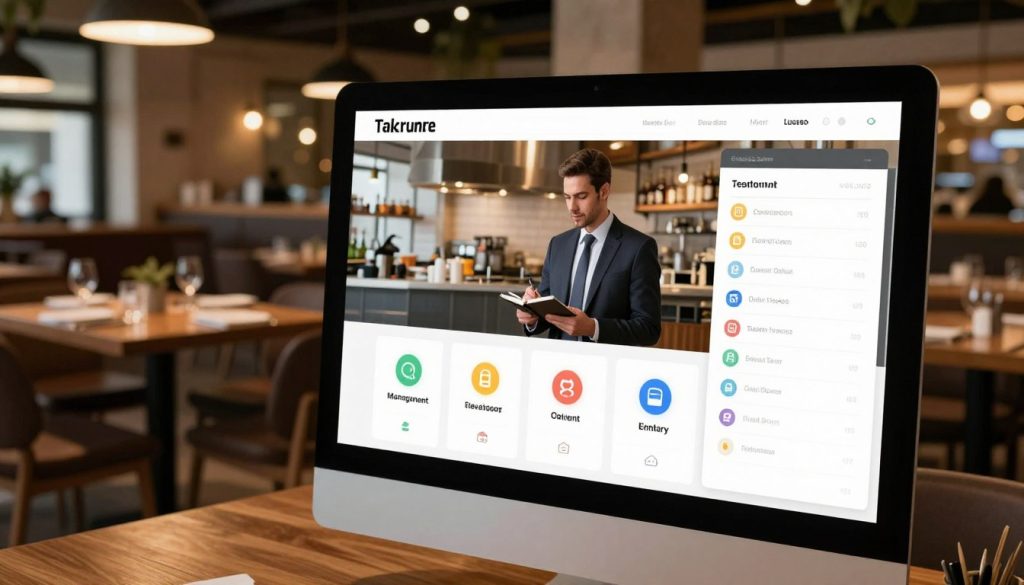
Inventory Management Capabilities
Precise inventory control is the foundation of a healthy bottom line. Modern tools allow you to track stock levels in real-time, preventing over-ordering and reducing costly waste.
These systems also support sophisticated menu planning by calculating exact food costs per plate. When you know your margins down to the cent, you can make smarter decisions about your offerings.
Employee Scheduling and Staff Management
Labour is often the largest expense in food service operations. Automated staff scheduling tools alleviate the administrative burden on your management team by matching rosters to predicted demand.
You can easily track hours, manage shift swaps, and ensure compliance with Australian workplace regulations. This technology helps reduce labour pressure while keeping your team happy and productive.
Customer Relationship Management Tools
Understanding your guests is vital for long-term success. CRM tools capture valuable data, allowing you to build loyalty programs that keep locals coming back.
You can segment your audience to send targeted promotions or seasonal offers. This data-driven approach turns casual diners into regular patrons, supporting sustainable business growth.
Point of Sale System Integration
A modern POS is more than a cash register; it is the hub of your restaurant technology. Seamless integration with delivery platforms like Uber Eats and Menulog eliminates the need for manual order entry.
This connectivity streamlines workflows and reduces errors during peak service hours. Furthermore, direct syncing with your accounting software provides the financial management clarity you need to scale your business with confidence.
Strategies for Successful Restaurant Management in Australia
Mastering the Australian hospitality market requires more than just great food; it demands operational precision. You must adopt a disciplined approach to your restaurant management practices to ensure long-term viability. By focusing on data-driven insights, you can refine your processes and stay ahead of the curve.
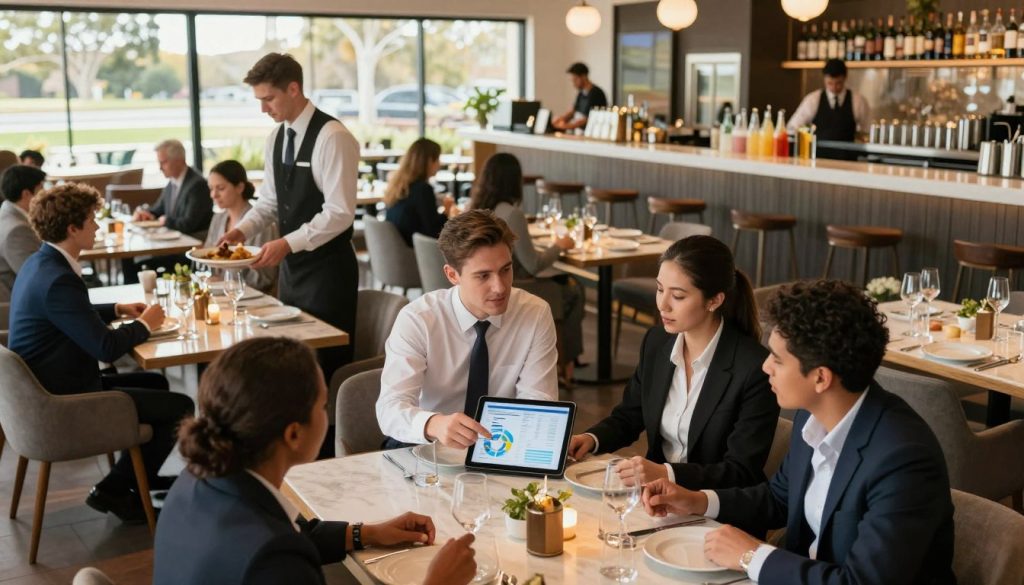
Implementing Cost Control Measures
Tightening your grip on expenses is vital for any thriving hospitality business. Start by auditing your food service operations to identify areas of waste. Regular inventory control helps you track stock levels accurately and prevents unnecessary capital tie-ups.
Effective staff scheduling also plays a major role in managing your bottom line. By aligning your roster with peak trading hours, you avoid overstaffing during quiet periods. This balance ensures that your labour costs remain proportional to your revenue.
Creating a Customer-Centric Experience
Your guests expect consistency every time they walk through your doors. Investing in comprehensive customer service training ensures that your team delivers high-quality interactions consistently. A well-trained staff member can turn a first-time visitor into a loyal regular.
Use feedback loops to understand what your customers value most. When you listen to your patrons, you can tailor your service to meet their specific needs. This focus on the guest experience creates a competitive advantage that is hard for others to replicate.
Marketing Strategies for Local Competition
Outperforming local competition requires smarter resource allocation and a clear brand identity. Focus your marketing efforts on the channels where your local audience is most active. Whether it is social media or local partnerships, consistency is key to building brand awareness.
Strong financial management allows you to invest in marketing campaigns that actually deliver results. Track your return on investment for every promotion you run. By cutting what does not work and doubling down on what does, you ensure your business remains profitable and relevant.
Future-Proofing Your Restaurant Business
Building a resilient venue requires a shift toward scalable, cloud-based infrastructure. Modern operators must move beyond manual tracking to embrace systems that provide real-time visibility into every corner of the business.
Hospoware acts as a comprehensive hospitality technology ecosystem that connects your operations, staffing, procurement, marketing, and guest experience. By integrating these fragmented parts, you gain a holistic view of your performance. This clarity is essential for effective restaurant management in a competitive market.
Adapting to Changing Consumer Preferences
Guest expectations shift rapidly in the Australian market. You can stay ahead by using data to refine your menu planning and service delivery. A connected system ensures your offerings remain relevant to local tastes while maintaining high margins.
Leveraging Data Analytics for Decision-Making
Smart financial management relies on accurate, live data. You can access professional restaurantility support to turn raw numbers into actionable growth strategies. This approach removes guesswork from your daily operations and long-term planning.
Sustainable Practices for Long-Term Success
Efficiency is the foundation of a sustainable hospitality business. By automating routine tasks and optimizing your supply chain, you reduce waste and improve your bottom line. Adopting the right restaurant technology today ensures your venue remains profitable and agile for years to come.











