
Modern restaurant management software acts as the central nervous system for your venue. By consolidating your digital infrastructure, you eliminate data silos and manual errors. This shift is no longer optional for those aiming to stay competitive in a crowded market.
Investing in integrated technology directly boosts your operational efficiency. When your front-of-house and back-office systems talk to each other, you regain control over your margins. It is time to stop fighting your tools and start using them to drive growth.
Key Takeaways
- Fragmented systems create hidden costs and operational friction.
- Centralising your digital tools is essential for modern venues.
- Integrated platforms provide a clearer view of your bottom line.
- Automation reduces manual tasks, freeing up your staff for guests.
- Technology adoption is a key driver for long-term business success.
The Current Landscape of Australian Hospitality Operations
Running a venue in Australia today requires more than just great food and service. You are balancing razor-thin margins against a backdrop of rising costs and shifting consumer expectations. Effective hospitality operations now demand a level of precision that manual processes simply cannot provide.
Challenges Facing Modern Australian Venues
The Australian market is currently defined by significant volatility. You are likely feeling the squeeze from rising labour costs and unpredictable supply chain disruptions. These external pressures make traditional venue management methods feel increasingly obsolete.
Many operators still rely on fragmented, paper-based systems that hide the true state of their business. When your data is trapped in silos, you cannot make informed decisions quickly. Legacy systems are failing to keep pace with the speed of the modern market, leaving you vulnerable to avoidable losses.
The Shift Toward Digital Transformation
To regain control, many successful operators are embracing a comprehensive digital transformation. This shift is not just about buying new gadgets; it is about connecting your entire business ecosystem. By integrating your front-of-house and back-of-house systems, you gain the real-time visibility needed to thrive.
Modern hospitality technology acts as the central nervous system for your business. It replaces guesswork with hard data, allowing you to track inventory, labour, and sales in one place. Investing in this digital transformation is the most effective way to future-proof your venue management and ensure long-term profitability in a competitive Australian landscape.
Core Features of Modern Restaurant Management Software
Your operational success hinges on the digital tools you choose to integrate into your daily workflow. A high-performing restaurant management software suite acts as the central nervous system for your venue. It connects disparate tasks into one cohesive, manageable ecosystem.
Integrated Point of Sale Systems
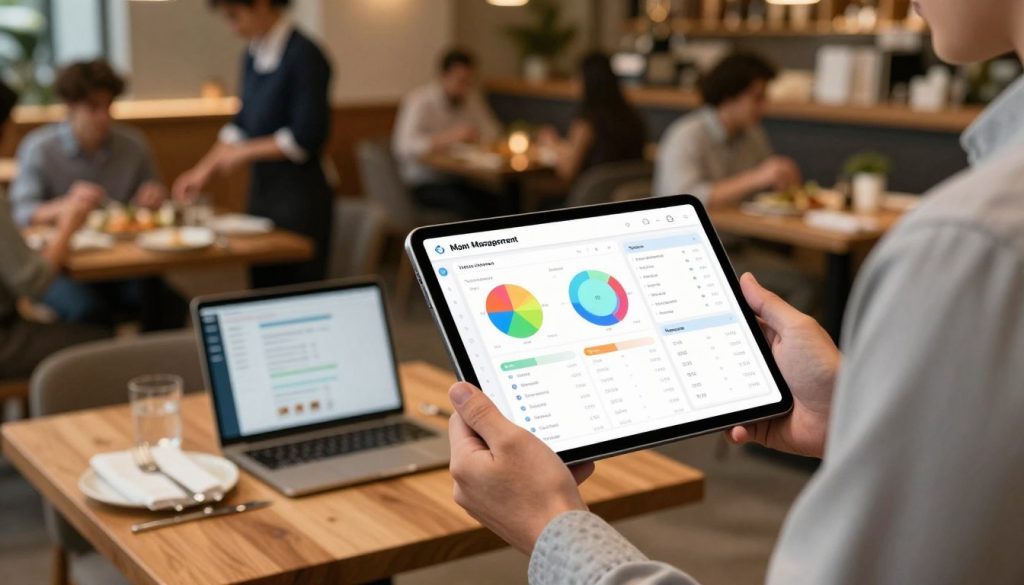
The POS system serves as the primary engine of your business. It does far more than process payments; it captures critical data at every touchpoint. By centralising orders, you eliminate the friction caused by manual entry errors.
A truly integrated platform ensures that your front-of-house and back-of-house communicate instantly. This seamless flow of information is essential for maintaining speed during peak service hours in busy Australian venues.
Real-Time Reporting and Analytics Dashboards
You cannot manage what you do not measure. Modern restaurant analytics provide a live view of your financial health, allowing you to pivot strategies before a shift ends. These dashboards turn raw transaction data into actionable intelligence.
Accessing real-time insights helps you identify which menu items drive profit and which ones drain your resources. With this clarity, you can make high-stakes decisions based on facts rather than intuition.
Staff Scheduling and Labour Management Tools
Managing your team effectively is often the biggest challenge for any operator. Automated staff scheduling tools remove the administrative burden of building rosters manually. These systems account for award rates, availability, and forecasted demand automatically.
Effective labour management ensures you are never overstaffed or under-resourced during critical periods. By optimising your roster, you protect your margins while keeping your team engaged and productive. Investing in the right POS system and management tools is the fastest way to regain control of your bottom line.
Enhancing Front-of-House Efficiency and Customer Experience
Managing a bustling dining room requires more than just a friendly smile and a notepad. To maintain a competitive edge in the Australian market, you must bridge the gap between service speed and high-quality hospitality. By leveraging the right digital tools, you can transform your floor operations into a well-oiled machine.
Streamlining Table Management and Reservations
Effective table management is the foundation of a profitable service. Modern software allows you to visualise your floor plan in real time, ensuring that you maximise every seat during peak hours.
By digitising your booking process, you significantly reduce wait times and eliminate human error. This level of operational efficiency ensures that your staff spends less time managing logistics and more time focusing on the needs of your patrons.
Improving Order Accuracy with Kitchen Display Systems
Communication breakdowns between the floor and the kitchen are a common source of service delays. Implementing a robust kitchen display system removes these friction points entirely.
Orders are sent directly from the point of sale to the kitchen screen, ensuring that every modification is captured accurately. This technology creates a seamless flow that enhances the overall guest experience by reducing wait times and preventing incorrect dishes from leaving the pass.
Personalising Guest Interactions Through CRM Integration
True hospitality relies on knowing your customers before they even walk through the door. Integrating a Customer Relationship Management (CRM) system into your workflow allows you to track preferences, special occasions, and dietary requirements.
When your team has instant access to this data, they can provide a tailored service that builds long-term loyalty. Personalisation is no longer a luxury; it is a core component of a modern, successful venue strategy.
Optimising Back-of-House and Inventory Control
You can transform your kitchen from a cost centre into a profit engine with the right tools. Effective inventory management is the backbone of any successful Australian venue, ensuring that your capital isn’t tied up in excess stock or lost to spoilage.
Automated Stock Tracking and Waste Reduction
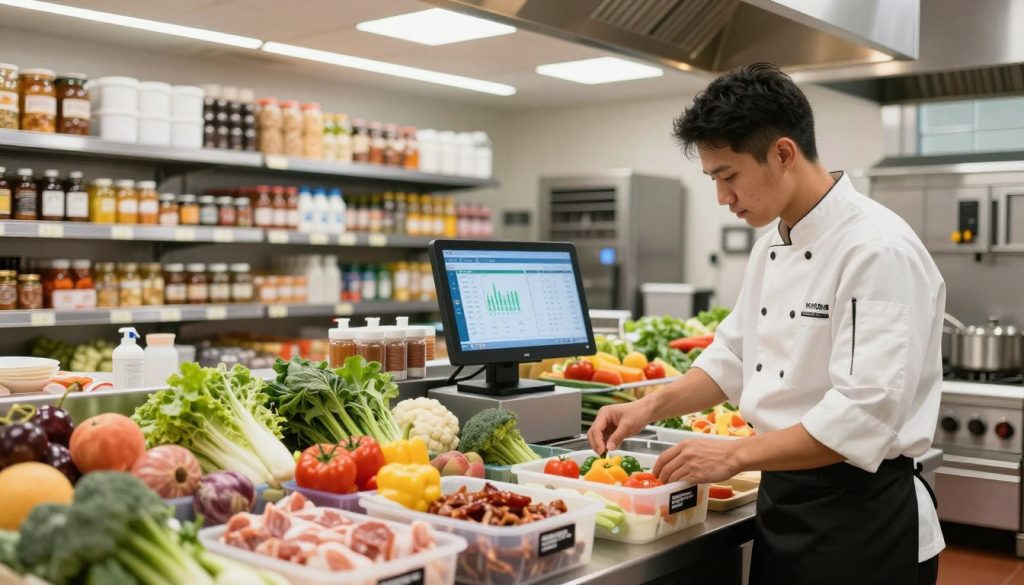
Manual counting is prone to human error and often fails to capture real-time usage. By implementing stock tracking software, you gain visibility into exactly what is moving through your kitchen at any given moment.
This level of oversight allows you to identify patterns of waste before they impact your bottom line. Reducing food waste becomes a proactive process rather than a reactive chore, helping you maintain consistent margins across every service.
Supplier Management and Automated Purchasing
Managing multiple vendors often leads to administrative bottlenecks and missed opportunities for bulk pricing. Modern systems streamline this by centralising your procurement process.
With automated purchasing, you can set par levels that trigger orders as soon as stock runs low. This ensures you never run out of critical ingredients while preventing the over-ordering that leads to unnecessary storage costs.
Recipe Costing and Menu Engineering
Understanding the true cost of every plate is essential for long-term profitability. Precise recipe costing breaks down every gram of ingredient, giving you a clear picture of your actual margins.
You can then use menu engineering to analyse which dishes drive the most profit and which ones are simply taking up space. By removing underperforming items and highlighting your high-margin stars, you ensure your menu is designed for maximum financial performance.
Data-Driven Decision Making for Profitability
Profitability is rarely an accident; it is the result of precise, data-driven decision making. By moving away from intuition and relying on hard evidence, you gain the control needed to navigate the complexities of modern hospitality operations. Transforming raw restaurant data into actionable intelligence is the most effective way to secure your venue’s long-term financial health.
Analysing Sales Trends to Forecast Demand
Understanding your historical sales patterns allows you to predict future activity with remarkable accuracy. When you analyse these trends, you can align your staffing levels to match actual customer volume. This prevents the common trap of overstaffing during quiet periods or being under-resourced during a rush.
Furthermore, precise forecasting ensures your inventory orders are always optimised. You avoid the waste associated with over-ordering perishables while ensuring you never run out of high-demand items. This level of foresight is essential for maintaining consistent service standards.
Monitoring Key Performance Indicators in Real Time
Waiting for end-of-month reports is a strategy of the past. Modern restaurant analytics provide a live view of your venue’s performance, allowing you to pivot instantly when conditions change. By tracking metrics like food cost percentage and labour spend as they happen, you can protect your restaurant profit margins against unexpected market fluctuations.
Real-time visibility acts as an early warning system for your business. If a specific dish is underperforming or labour costs spike during a shift, you can intervene immediately. This proactive approach keeps your financial goals on track throughout the week.
Leveraging Insights to Reduce Operational Overheads
Every piece of restaurant data you collect offers an opportunity to trim unnecessary costs. By identifying inefficiencies in your workflow, you can streamline processes that currently drain your resources. Whether it is adjusting portion sizes based on plate waste or renegotiating supplier contracts, data provides the leverage you need.
Focusing on these granular details creates a culture of accountability within your team. When your decisions are backed by clear evidence, you can confidently cut overheads without compromising the guest experience. This disciplined approach ensures your venue remains competitive and profitable in a challenging market.
Conclusion
Modern hospitality demands more than just great food and service. It requires a unified digital ecosystem that connects every part of your business. Moving away from fragmented tools allows you to regain control over your daily operations.
You now possess the knowledge to evaluate your current processes and identify gaps in your workflow. Implementing restaurant software inventory solutions creates a foundation for long-term stability. These systems turn raw data into actionable insights that drive profitability across your entire venue.
Success in the Australian market relies on your ability to scale effectively. By automating manual tasks and centralising your data, you free up time to focus on the guest experience. Start integrating these technologies today to build a more resilient and efficient business model.











