
Running a successful venue in Australia requires more than just great food and service. You need a reliable POS system that keeps your operations moving without friction. Modern hospitality demands a digital backbone that connects your front-of-house staff with back-office procurement and guest engagement.
Fragmented tools often create bottlenecks that slow down your team and frustrate your customers. By choosing a unified approach, you can streamline your workflows and regain control over your daily business performance. This is where Hospoware provides a comprehensive ecosystem designed to bridge these gaps. Their technology integrates essential functions like staffing, marketing, and inventory into one cohesive platform.
Whether you manage a busy corner café or a large franchise group, the right point of sale software acts as the engine of your growth. It turns complex data into actionable insights, allowing you to focus on what truly matters: delivering an exceptional guest experience. Embracing purpose-built digital tools is no longer optional for those aiming to thrive in today’s competitive market.
Key Takeaways
- Integrated technology eliminates operational friction by connecting your entire business ecosystem.
- A unified platform simplifies complex tasks like staff rostering, procurement, and inventory management.
- Modern digital tools allow you to focus on guest experience rather than manual administrative work.
- Choosing the right software provides measurable business advantages through streamlined digital workflows.
- Australian operators benefit from purpose-built solutions that scale alongside their growing business needs.
Understanding the Importance of a POS System
Your point of sale software serves as the central nervous system of your entire hospitality operation. It moves far beyond simple transaction processing to become the primary hub for your daily business activities.
Modern venues require a platform that integrates sales, inventory, and staff management into one cohesive interface. By centralising these functions, you eliminate the friction that often slows down service during peak hours.
What is a POS System?
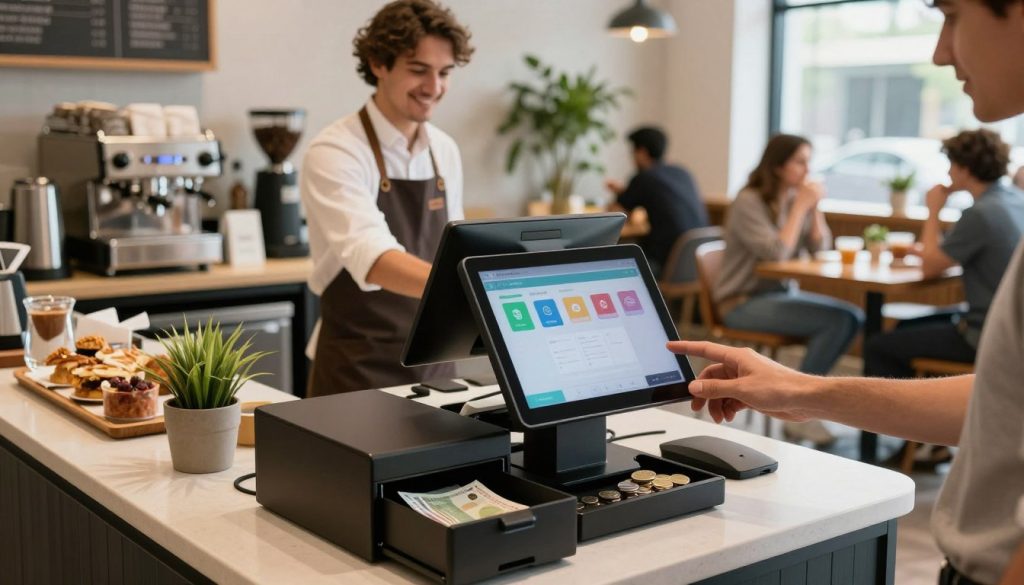
At its core, a POS system is the digital backbone of your venue. It tracks every dollar earned while simultaneously managing the data that drives your decision-making process.
Whether you run a busy café or a high-end restaurant, this technology captures essential information at the point of interaction. It bridges the gap between your front-of-house service and your back-office administration.
Key Features of a POS System
The best POS system offers a suite of tools designed to reduce operational complexity. Advanced features like integrated payment gateways ensure that transactions are processed quickly and securely.
Furthermore, many operators now rely on Kitchen Display Systems to streamline front-to-back communication. These digital screens replace traditional paper dockets, ensuring that orders reach the kitchen instantly and accurately.
When evaluating various POS system features, look for tools that offer real-time reporting and inventory tracking. These capabilities allow you to monitor stock levels and identify your most profitable menu items with ease.
Benefits for Hospitality Operators
Implementing the right technology provides significant POS system benefits that directly impact your bottom line. By automating routine tasks, you reduce labour pressure and allow your team to focus on delivering exceptional guest experiences.
Efficiency gains are often immediate once your systems are fully integrated. You gain the ability to make data-driven decisions that increase profitability and help your business scale effectively.
Ultimately, a robust platform acts as a force multiplier for venue managers. It provides the clarity needed to maintain control over your operations while keeping your customers satisfied and coming back for more.
Choosing the Right POS System for Your Business
Selecting the right technology for your venue is a strategic move that impacts your bottom line. You need a solution that grows with your operation rather than one that creates friction during peak service hours. A pragmatic approach ensures your investment supports long-term stability.
Factors to Consider When Selecting a POS
Reliability remains the most critical factor for any busy Australian venue. You should prioritise a cloud-based POS system that offers robust offline capabilities. For instance, Lightspeed Restaurant (K-series) allows your team to continue processing orders even during unexpected internet outages.
Integration depth is equally vital for modern workflows. Your chosen platform must connect seamlessly with your accounting software, inventory management tools, and payment gateways. This connectivity eliminates manual data entry and reduces the risk of human error across your business.
Top POS Systems for Australian Hospitality
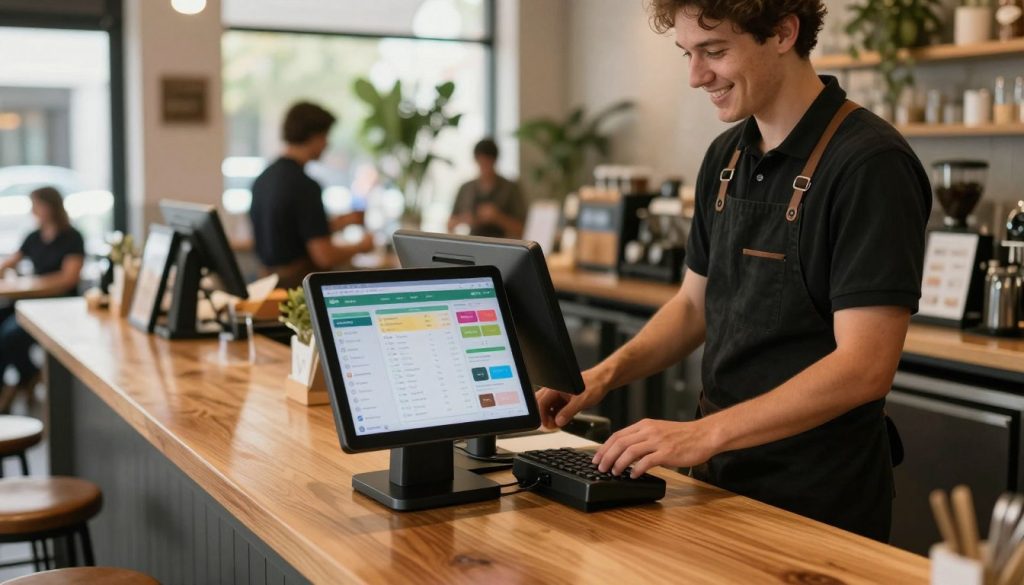
The market is crowded, but identifying the best POS system for your specific needs requires looking past marketing hype. Many operators find that modern, flexible platforms outperform legacy hardware in both speed and ease of use. Whether you run a high-volume café or a fine-dining restaurant, the right software should simplify your daily reporting.
If you are looking for an affordable POS system, focus on modular pricing models. These allow you to pay only for the features you actually use. Always check recent POS system reviews to see how other local operators handle specific hardware or software challenges.
How to Compare POS Solutions
Comparing options effectively requires a focus on the total cost of ownership. Do not just look at the upfront hardware price; consider monthly subscription fees, transaction costs, and potential training expenses. A POS system for small business owners should offer a clear path to scaling without hidden penalties.
Evaluate each provider based on their Australian compliance and local support availability. A system that cannot handle local tax requirements or regulatory changes will quickly become a liability. By assessing these technical and financial metrics, you ensure your chosen POS system remains a powerful asset for your venue.
Implementing and Optimising Your POS System
Successful digital transformation requires more than just installing hardware. You must treat your technology as a living asset that demands regular attention to deliver real value. Operators who optimise their POS payment system unlock deeper insights into their daily performance.
Steps for Successful Implementation
Begin by mapping your existing workflows to your new software. A cloud-based POS system functions best when integrated with your inventory and accounting tools. This connectivity eliminates manual data entry and reduces the risk of human error across your venue.
Training Staff on the POS System
Effective training turns your team into power users who can handle peak periods with ease. Focus on role-based access to ensure cashiers and managers understand their specific responsibilities. Proper instruction reduces labour pressure and helps your staff focus on the guest experience rather than troubleshooting technical glitches.
Tips for Maximising POS Efficiency
Leverage reporting and analytics to refine your procurement and staffing schedules. Platforms like Hospoware demonstrate how unified data drives better business decisions. By reviewing your POS system features regularly, you maintain the agility needed to thrive in the Australian market. Focus on these POS system benefits to ensure your technology supports long-term growth and operational control.











