
Running a venue in Australia today is no small feat. You are constantly balancing rising labour costs, complex procurement, and the need for a seamless guest experience. When your systems don’t talk to each other, you lose time and money. This is where modern hospitality software becomes essential for your survival.
Hospoware acts as a central hub to connect your fragmented operations. By integrating your staffing, marketing, and procurement into one ecosystem, you eliminate the friction that slows your team down. You can explore how a unified approach like hospitality software helps you regain control over your daily tasks. Digital transformation is no longer an optional luxury; it is the standard for any venue aiming for long-term profitability.
Key Takeaways
- Centralise your fragmented systems to save time and reduce operational errors.
- Use integrated technology to manage rising labour pressures effectively.
- Connect procurement, staffing, and guest services into one unified platform.
- Improve your bottom line by removing friction from your daily workflows.
- Adopt digital tools to stay competitive in the modern Australian market.
Understanding Hospitality Software Solutions
You cannot manage a modern venue effectively without the right digital tools at your disposal. Today, hospitality software acts as a force multiplier for your team rather than just another administrative burden. By centralising your operations, you eliminate the friction that often slows down daily workflows.

Benefits of Hospitality Software for Businesses
The primary advantage of adopting robust hospitality management software is the immediate reduction in manual tasks. When your systems communicate, you spend less time on data entry and more time focusing on your guests. This shift allows for better decision-making based on real-time insights rather than guesswork.
A well-integrated helps you track inventory and labour costs with precision. By automating these back-of-house processes, you protect your margins and ensure consistency across every shift. Efficiency is no longer a luxury; it is a requirement for survival in the Australian market.
Key Features to Look for in Hospitality Software
When evaluating your tech stack, prioritise connectivity and flexibility. Platforms like Cloudbeds offer over 450 integration partners, which allows you to customise your setup without sacrificing simplicity. You need a that talks to your inventory and accounting tools seamlessly.
Furthermore, a dedicated is essential for maintaining high service standards. This software should capture guest preferences and feedback to help you personalise every stay or visit. By choosing tools that scale with your business, you ensure that your operations remain agile and responsive to changing market demands.
Types of Hospitality Software Available
Modern operators must master specific software categories to maintain a competitive edge in today’s market. Understanding the distinct roles of your digital tools is essential for streamlining your front-of-house and back-office tasks. When you learn more about our approach, you see how these systems form a cohesive ecosystem for your business.
Property Management Systems (PMS)
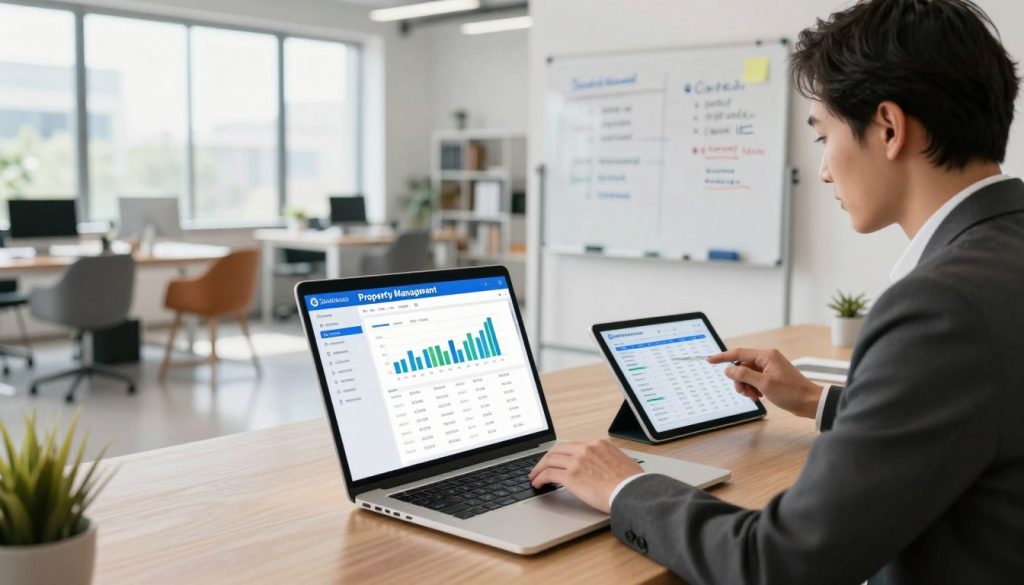
A robust property management software solution serves as the central nervous system for accommodation providers. It handles everything from guest check-ins to housekeeping schedules and room inventory. By centralising these tasks, you reduce manual errors and improve overall efficiency.
Point of Sale (POS) Systems
Your point of sale system acts as the primary interface for transactions within your venue. Whether you run a café or a large hotel, this technology ensures that orders flow accurately from the floor to the kitchen. A high-quality restaurant management system integrates these sales directly into your financial reporting.
This seamless data flow prevents the common bottlenecks that plague busy service periods. By connecting your front-of-house operations to your back-office, you gain real-time visibility into your revenue. This level of control is vital for any hospitality management software strategy.
Booking Engines and Channel Managers
Driving direct revenue requires a reliable online booking system that converts visitors into confirmed guests. When your hotel reservation software is linked to a channel manager, you avoid the risk of double bookings across multiple platforms. This automation is critical for maintaining accurate availability.
Data shows that 94% of travellers use metasearch to compare hotel rates, making channel management vital for revenue. By keeping your rates consistent across all sites, you protect your margins and improve your online presence. Effective hospitality software ensures you remain visible to your target audience at all times.
Implementing Hospitality Software in Your Business
Your path to digital transformation begins with identifying the specific friction points in your daily operations. Whether you struggle with labour pressure or complex inventory management, the goal is to find a solution that solves these problems rather than adding new ones. A strategic approach ensures your team remains supported throughout the transition.
Steps to Choose the Right Software
Start by auditing your current workflows to see where manual tasks slow you down. You need hospitality software that integrates seamlessly with your existing tech stack to avoid data silos. Look for vendors that offer scalable solutions, allowing your system to grow alongside your business revenue.
Prioritise platforms with intuitive interfaces that reduce the learning curve for your team. If you operate a lodging business, ensure your hotel reservation software handles multi-channel updates in real-time. Similarly, an online booking system should provide a frictionless experience for your guests while syncing directly with your backend.
Training Your Staff for Effective Use
Technology is only as effective as the people using it. You must invest in comprehensive training to ensure your staff feels confident with the new property management software. Avoid overwhelming your team by rolling out features in phases rather than all at once.
Create a feedback loop where employees can report issues or suggest improvements during the early stages of adoption. This collaborative approach helps maintain high service standards without disrupting your daily operations. When your team masters these tools, your investment translates into measurable operational outcomes and improved guest satisfaction.
Future Trends in Hospitality Software
The Australian market demands agility as digital transformation reshapes how venues operate. Staying competitive requires a shift toward predictive systems that anticipate guest needs before they arise.
Leveraging Intelligent Automation
Modern hospitality software now acts as the backbone for operational resilience. By integratingAI-driven travel experiences, you can automate routine inquiries and free your team for high-value service. Predictive tools help manage labour costs while ensuring your venue remains fully staffed during peak periods.
Optimising Workforce and Guest Interactions
Your staff productivity depends on the tools you provide. Platforms likeHospoforceoffer AI-powered staffing solutions that simplify complex scheduling and compliance tasks. This efficiency creates a seamless guest experience platform that builds loyalty through consistent, high-quality service.
Building Sustainable Operations
Consumers increasingly favour brands that prioritise environmental responsibility. Modern systems track resource usage to help you reduce waste and lower overheads. Embracing these innovations ensures your business remains profitable and relevant in a rapidly changing landscape. Focus on these core technologies to secure your position as a leader in the local industry.











