
Running a venue in Australia today is no small feat. Whether you are managing a busy city bistro or a coastal resort, the pressure to maintain margins while delivering exceptional service is constant. Restaurant owners and café owners often find themselves buried in manual tasks that drain time and energy.
To stay ahead, you need more than just basic tools. You require a robust ecosystem that connects your fragmented systems into one clear view. This is where modern hospitality software solutions become the backbone of your success.
By leveraging the Hospoware ecosystem, venue operators and hotel managers can finally eliminate operational friction. It is time to regain control over your daily workflows and focus on what truly matters: your guests. Integrating your tech stack is the smartest way to ensure your hospitality businesses remain profitable and sustainable in a crowded market.
Key Takeaways
- Streamline your daily operations by centralising fragmented digital systems.
- Reduce manual admin tasks to give your team more time on the floor.
- Gain better control over your margins with real-time data insights.
- Improve the overall guest experience through seamless service delivery.
- Future-proof your venue by adopting a connected technology ecosystem.
The Role of Hospitality Software Solutions in Modern Operations
The landscape for Australian venue operators is shifting rapidly toward a digital-first reality. Staying competitive requires moving beyond manual spreadsheets and disconnected legacy systems. True progress starts when you embrace a unified approach to your daily management tasks.
By adopting customizable hospitality software solutions, you gain the agility needed to scale effectively. This transition is no longer optional for those aiming to maintain long-term profitability in a crowded market.
Driving Digital Transformation in Australian Venues
Digital transformation is the backbone of any successful hospitality business today. It allows you to replace repetitive manual labour with automated workflows that save time and reduce human error. When you integrate your core systems, you create a seamless environment where information flows freely across your entire venue.
Many hotel managers are discovering that the right hospitality technology acts as a force multiplier for their teams. Instead of spending hours on administrative overhead, your staff can focus on what truly matters: the guest. This shift is essential for achieving the operational efficiency required to thrive in the current economic climate.
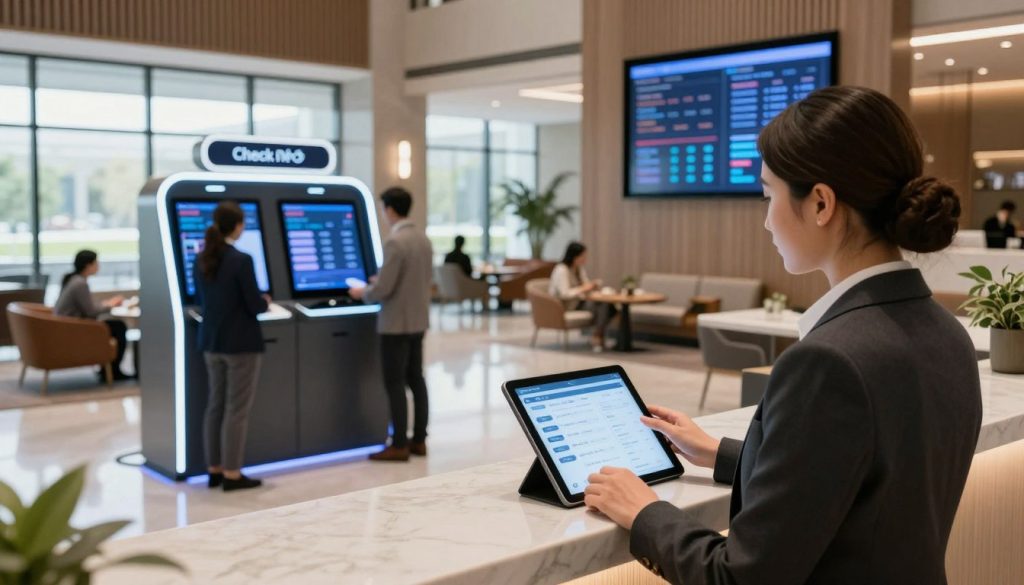
Enhancing Guest Experiences Through Personalisation
Modern guests expect a tailored experience from the moment they book until they check out. You can meet these high expectations by leveraging data to understand individual preferences and past behaviours. Personalisation is the most effective way to drive guest loyalty and encourage repeat visits.
When you use integrated tools, you can track guest interactions across multiple touchpoints. This level of insight allows you to offer targeted promotions and services that feel personal rather than transactional. Investing in these guest experiences is a proven strategy for sustainable business growth.
Leveraging Data Analytics for Informed Decision-Making
Data is your most valuable asset when it comes to navigating market fluctuations. By utilising advanced analytics, you gain clear visibility into occupancy rates, revenue trends, and staff performance. These insights provide the clarity needed to make data-backed decisions that protect your bottom line.
If you are ready to stop patching systems and start scaling, you must prioritise a platform that offers deep reporting capabilities. You can read more about this transition in our guide on why you should stop patching systems and start scaling. With the right digital transformation strategy, you can turn raw numbers into actionable intelligence that drives your business growth forward.
Key Components of an Integrated Hospitality Ecosystem
Fragmented systems are the silent killers of operational efficiency in the Australian hospitality sector. When your data lives in silos, you lose the ability to make informed, real-time decisions. A truly integrated ecosystem bridges these gaps, ensuring your front-of-house and back-of-house operations function as a single, cohesive unit.
Streamlining Operations with Hospoware
Hospoware serves as the central nervous system for your venue. By connecting your POS, workforce management, procurement, and marketing solutions into one unified platform, you eliminate the need for manual data entry. This digital transformation allows restaurant owners and café owners to reclaim time previously lost to administrative burdens.
Connecting POS, Workforce Management, and Procurement
When your systems talk to each other, your business gains a massive competitive advantage. You no longer have to guess your daily performance metrics or manually reconcile invoices. Instead, you gain access to accurate reporting and analytics that reflect the true health of your venue.
Optimising Labour Costs and Scheduling
Effective workforce management relies on precise data. By linking your sales data directly to your scheduling software, you can align your staffing levels with actual customer demand. This ensures you are never overstaffed during quiet periods or understaffed during a rush, directly protecting your profitability.
Automating Inventory and Supply Chain Management
Automation removes the guesswork from your supply chain. When your procurement system is integrated with your POS, stock levels update automatically as items are sold. This level of visibility helps you reduce waste and ensures you always have the right ingredients on hand to deliver exceptional guest experiences.
The Impact of AI and Cloud Technology on Profitability
Modern cloud technology provides the backbone for these connected business systems, offering security and accessibility from anywhere. Beyond simple connectivity, the implementation of AI and machine learning models is changing how venues operate. These tools now enable dynamic pricing strategies and predictive staffing based on historical trends.
By leveraging these advanced technologies, you can anticipate customer needs before they even walk through the door. This proactive approach to hospitality technology turns raw data into actionable insights. Ultimately, it empowers you to focus on high-value tasks that drive growth and long-term success.
Conclusion
Modern hospitality businesses require more than just hard work to thrive in a crowded market. You need a digital foundation that turns raw data into actionable insights. By adopting hospitality management solutions, you gain the control necessary to scale your operations effectively.
Building connected business systems is the most reliable path to long-term profitability. When your front-of-house and back-office tools communicate, you eliminate the friction that slows down your team. This level of integration allows you to focus on what matters most: your guests.
Platforms like Hospoware provide the visibility needed to manage complex workflows with ease. Investing in the right hospitality technology today prepares your venue for the challenges of tomorrow. You will find that streamlined processes lead directly to sustainable business growth.
We invite you to continue your research by exploring the Complete Guide to Hospitality Technology at https://hospoware.com/hospitality-tech-guide/. Taking these steps now provides the operational clarity required to lead in the competitive Australian market.











