
By adopting a strategic approach, you can streamline your workflows and boost long-term profitability. We help you position your business for growth by connecting your data points into one cohesive system. This shift allows you to focus on what matters most: delivering an exceptional guest experience while maintaining a healthy bottom line.
Key Takeaways
- Ditch fragmented software to reduce operational friction across your venue.
- Prioritise integrated systems to gain real-time visibility into your business performance.
- Focus on strategic planning to ensure long-term financial stability.
- Use data-driven insights to make smarter decisions for your team and guests.
- Streamline daily tasks to free up time for high-impact growth activities.
The Evolution of Hospitality Management in Australia
Managing a venue in Australia today requires a completely different playbook than it did five years ago. The Australian hospitality industry has moved past the era of reactive crisis management. Operators are now prioritising long-term stability over short-term survival tactics.
This transition marks a fundamental change in how we view professional hospitality management. Success is no longer defined by how well you handle a busy Friday night, but by how effectively you structure your business for consistent performance.
Adapting to the Post-Pandemic Landscape
The recent global disruptions forced a rapid evolution in restaurant operations. Many venues were caught off guard by sudden shifts in consumer behaviour and severe labour shortages. Today, the most successful businesses are those that built flexibility into their core models.
You must now account for unpredictable supply chains and changing guest expectations. Resilience is the new baseline for any venue aiming to thrive in the current market. By anticipating potential friction points, you can maintain service standards even when external conditions become difficult.
The Shift Toward Data-Driven Decision Making
Relying on intuition is a luxury that modern operators can no longer afford. The move toward data-driven decision making allows you to remove the guesswork from your daily routine. When you base your choices on empirical evidence, you gain a significant competitive advantage.
Modern restaurant operations require constant monitoring of key performance indicators. Whether it is tracking labour costs or analysing menu profitability, the numbers tell the true story of your business health. Embracing data-driven decision making ensures that every change you implement is backed by clear, measurable results.
Ultimately, the future of the Australian hospitality industry belongs to those who use technology to gain clarity. By refining your hospitality management approach, you transform your venue into a predictable, high-performing asset.
Streamlining Operational Workflows
Operational friction is the silent killer of profit in modern Australian venues. When your systems do not talk to each other, your team spends more time fixing mistakes than serving guests. Improving operational efficiency requires a shift toward integrated digital workflows.
Automating Front-of-House and Back-of-House Communication
The divide between the kitchen and the floor often leads to missed orders and miscommunication. By automating these touchpoints, you ensure that every request flows instantly to the right station. This reduces human error and keeps your restaurant operations running smoothly during peak service hours.
Reliable hospitality software acts as the central nervous system for your business. It eliminates the need for paper dockets and verbal relaying, which are prone to misinterpretation. Your staff can focus on high-touch service rather than chasing down order status updates.
Reducing Friction in the Guest Journey
A seamless guest experience is built on speed and accuracy. Every moment a customer waits for a menu or a bill is a moment of potential frustration. You can remove these bottlenecks by deploying smart technology that empowers the guest to control their own pace.
Implementing Contactless Ordering Systems
Contactless ordering systems allow guests to browse and pay directly from their mobile devices. This approach significantly increases your venue management capabilities by freeing up staff to focus on hospitality rather than order taking. It also boosts average spend by making it easier for guests to add items to their order at any time.
Optimising Table Management Software
Effective table management software provides a real-time view of your floor plan. It helps you track turn times and manage bookings with precision. By optimising your floor flow, you ensure that no table sits empty while guests wait in the queue. This level of control is essential for maintaining high standards of service in a fast-paced environment.
Leveraging Technology for Seamless Connectivity
Seamless connectivity is no longer a luxury but a fundamental requirement for Australian venues. By building a unified digital ecosystem, you eliminate the silos that often hinder growth. Effective hospitality technology acts as the central nervous system of your business, ensuring that every department communicates without friction.
When your systems talk to each other, you gain a significant edge in operational efficiency. This approach allows you to focus on the guest experience rather than manual data entry or troubleshooting disconnected software. A connected venue is a profitable venue.
Integrating Point of Sale with Inventory Management
Manual stock counting is a drain on your resources and prone to human error. Proper POS integration ensures that every item sold is automatically deducted from your stock levels in real-time. This level of automation is the cornerstone of modern restaurant inventory management.
By choosing the right hospitality software, you gain total visibility over your margins. You will know exactly when to reorder supplies, preventing both overstocking and the dreaded out-of-stock scenario. Accurate stock tracking protects your bottom line and keeps your kitchen running smoothly.
Utilising Cloud-Based Reporting for Real-Time Insights
Waiting for end-of-month reports is a strategy of the past. Cloud-based platforms provide you with instant access to performance metrics from anywhere in the world. This agility is essential for data-driven decision making in a fast-paced market.
You can monitor sales trends, staff performance, and menu profitability as they happen. If a specific dish is underperforming, you can adjust your strategy immediately rather than waiting for the next financial cycle. Real-time insights empower you to make decisive moves that keep your venue ahead of the competition.
Elevating the Guest Experience Through Personalisation
Transforming a standard service into a memorable experience requires a blend of smart technology and human intuition. In today’s competitive Australian market, guests expect you to remember their preferences and anticipate their needs. By focusing on hyper-personalization technology, you can turn one-time visitors into lifelong advocates for your brand.
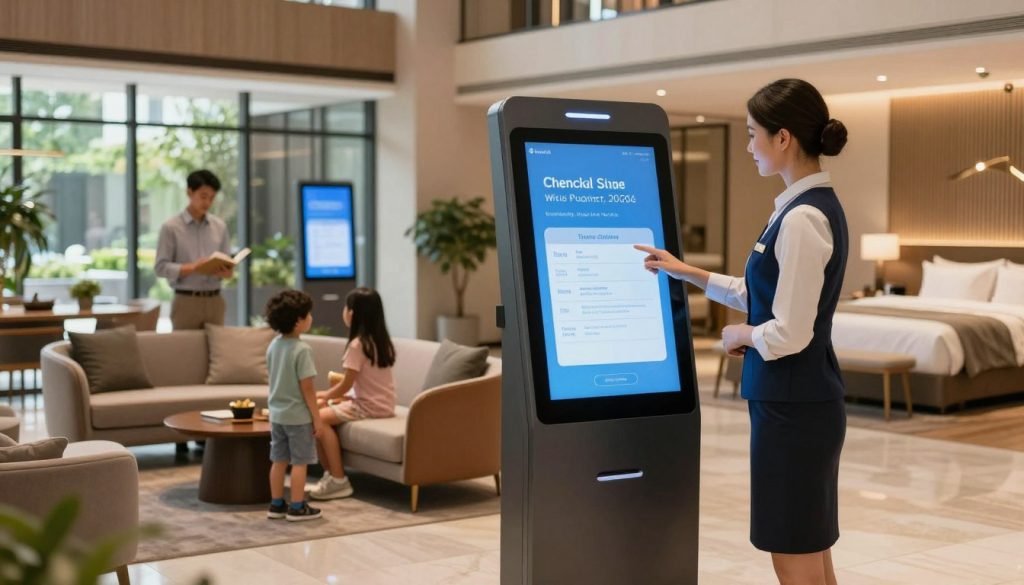
Harnessing Customer Relationship Management Data
Your hospitality CRM is the engine room of your guest retention strategy. It allows you to capture vital data points, such as dietary requirements, favourite table locations, and preferred beverage choices. When you integrate this information into your daily operations, you create a seamless guest experience that feels bespoke.
Use this data to trigger automated marketing campaigns that actually resonate with your audience. Instead of generic blasts, send personalised offers based on past spending habits or special occasions. This level of precision ensures your hospitality technology works for you, rather than just adding another layer of complexity to your workflow.
Training Staff for High-Touch Service in a Digital World
While data provides the insights, your team provides the heart. Effective hospitality staff training must focus on empowering your employees to use digital information to enhance human connection. A server who knows a guest’s name or their usual order before they sit down creates an immediate sense of belonging.
High-touch service remains the ultimate differentiator in a digital-first world. Ensure your team understands that technology is a tool to support their interactions, not a replacement for them. By investing in consistent hospitality staff training, you ensure that every digital insight translates into a warm, professional, and memorable interaction on the floor.
Strategic Labour Management and Staff Retention
Operational success in the Australian hospitality industry starts with how you treat and schedule your staff. Balancing the books while keeping your team motivated requires a precise approach to hospitality labour management. When you master these elements, you create a stable environment that supports long-term growth.
Navigating Australian Fair Work Compliance
Staying on the right side of the law is non-negotiable for any venue owner. Navigating Fair Work compliance involves more than just paying the correct base rates. You must account for complex award conditions, penalty rates, and overtime requirements that shift based on the time of day or public holidays.
Failure to track these variables accurately leads to significant financial risk and potential legal disputes. Using automated systems to manage your payroll ensures that every shift is calculated correctly. This transparency builds trust with your employees and protects your business from costly errors.
Building a Positive Workplace Culture to Reduce Turnover
High turnover is a silent killer of profitability in our sector. To improve staff retention, you must foster a culture where team members feel valued and heard. A positive environment is not just about perks; it is about clear communication and consistent leadership.
When staff feel supported, they are more likely to stay and grow with your venue. Investing in training and professional development shows your team that you are committed to their future. This commitment directly translates into better service for your guests and a more cohesive team dynamic.
Effective Rostering Strategies for Peak Performance
Your roster is the most powerful tool you have to control costs and maintain service standards. Effective rostering requires you to align your labour spend with actual sales data. By identifying your busiest trading periods, you can ensure you are never overstaffed during quiet times or understaffed during a rush.
Strategic rostering allows you to maintain peak performance without burning out your best people. Use historical data to predict demand and build schedules that respect your team’s work-life balance. When your roster is efficient, you reduce unnecessary costs while keeping your staff happy and productive.
Sustainable Practices as a Competitive Advantage
Sustainability is no longer just a moral choice for Australian venues; it is a core business strategy. By integrating eco-friendly operations, you position your brand as a leader in a crowded market. Adopting sustainable hospitality practices allows you to lower overheads while appealing to the values of modern diners.

Reducing Food Waste in Commercial Kitchens
Effective food waste reduction starts with precise inventory tracking and menu engineering. When you monitor exactly what goes into the bin, you identify hidden leaks in your profit margins. Small changes, such as repurposing trimmings for stocks or adjusting portion sizes based on consumption data, yield significant financial returns.
Implementing a rigorous waste audit helps your team understand the true cost of discarded ingredients. This operational discipline ensures that every dollar spent on produce contributes to a sale rather than a waste disposal fee. Efficiency is the foundation of profitability in any high-volume kitchen.
Sourcing Local Produce to Meet Consumer Demand
Australian consumers increasingly prioritise venues that support regional farmers and producers. By sourcing ingredients locally, you reduce your carbon footprint while ensuring the highest quality for your menu. This commitment to local supply chains creates a compelling narrative that resonates with your community.
Building strong relationships with local suppliers also provides greater stability against global supply chain disruptions. When you highlight the origin of your ingredients, you build brand loyalty and trust with your guests. This transparency turns your menu into a powerful marketing asset that differentiates your venue from competitors relying on generic, imported goods.
Financial Health and Revenue Management
Modern venue management relies on a delicate balance between controlling costs and maximising revenue streams. Achieving long-term profitability requires you to move beyond basic bookkeeping and adopt a strategic financial mindset. By focusing on data-backed decisions, you can navigate the complexities of the current Australian market with confidence.
Dynamic Pricing Strategies for Modern Venues
Implementing dynamic pricing allows you to adjust your menu or booking rates based on real-time demand. This approach ensures you capture maximum value during peak periods without alienating your core customer base. The key is transparency and consistency in how these adjustments are communicated to your guests.
You should leverage historical data to identify high-traffic windows and adjust your offerings accordingly. When executed correctly, this strategy boosts your margins during busy shifts while keeping your venue accessible during quieter times. It is a powerful tool for balancing volume with high-yield revenue.
Controlling Prime Costs in an Inflationary Environment
Effective prime cost control is the bedrock of a resilient hospitality business. In an era of rising supply chain costs and wage pressures, you must monitor your Cost of Goods Sold (COGS) and labour expenses with extreme precision. Small variances in these areas can quickly erode your net profit if left unchecked.
Regularly auditing your inventory and rostering efficiency helps you maintain healthy margins despite external economic headwinds. Prioritise prime cost control by setting strict targets for your kitchen and floor teams. When you treat these metrics as daily operational goals, you gain the clarity needed to protect your business from inflationary spikes.
Conclusion
Modernising your venue requires a shift from reactive habits to proactive management. You now possess the framework to integrate your systems and leverage real-time data for better outcomes.
Success in the current Australian market demands a commitment to operational clarity. By removing friction from your workflows, you create space for your team to focus on what matters most. Your guests notice the difference when service is seamless and consistent.
Take these insights and apply them to your daily operations. Review your current tech stack and identify where manual processes still create bottlenecks. Small adjustments to your inventory management or staff scheduling often yield significant gains in profitability.
Your venue has the potential to lead in a competitive landscape. Stay focused on your financial health and maintain high standards for your service delivery. The path to long-term growth starts with the decisions you make today.











