
Integrating hospitality technology is the most effective way to modernise your daily operations. By centralising your data, you create a stable foundation for sustainable growth. This shift allows you to turn fragmented workflows into a cohesive system that drives business performance.
When you leverage the right hospitality management software, you gain total visibility over your venue. You can automate routine tasks, reduce human error, and focus on what truly matters: your guests. Embracing these digital tools is no longer optional for those aiming to lead in a competitive market.
Key Takeaways
- Centralising operations eliminates data silos and improves team efficiency.
- Automated systems significantly reduce the risk of costly booking errors.
- Real-time insights allow for faster, more informed decision-making.
- Modern tools help maintain rate parity across all your booking channels.
- Investing in digital infrastructure is essential for long-term financial stability.
The Current State of the Australian Hospitality Industry
Operating a venue in Australia today requires more than just great food and service. The Australian hospitality industry is currently navigating a period of intense transformation where traditional methods often fall short. You are likely feeling the squeeze as the landscape of local business continues to shift under the weight of new economic realities.
Navigating Rising Labour Costs and Staff Shortages
Profit margins are under significant pressure from persistent labour costs that show little sign of stabilising. Many venue owners are struggling to maintain service standards while facing chronic staff shortages across the country. These twin challenges force you to rethink how you manage your daily workflow.
Relying on manual processes is no longer a viable strategy for long-term survival. You must optimise your restaurant operations to ensure that every dollar spent on wages delivers maximum output. Efficiency has become the primary metric for success in this high-stakes environment.
The Shift Toward Digital-First Guest Experiences
Modern diners now expect a seamless digital-first guest experience from the moment they book a table. This expectation has moved beyond a luxury to become a standard requirement for any competitive venue. If your systems do not integrate smoothly, you risk losing customers to more tech-savvy competitors.
Adapting your restaurant operations to meet these demands is essential for growth. By embracing a digital-first guest experience, you can reduce friction and improve overall satisfaction. Addressing the impact of labour costs and staff shortages through automation allows your team to focus on what truly matters: the guest.
Core Benefits of Implementing Hospitality Management Software
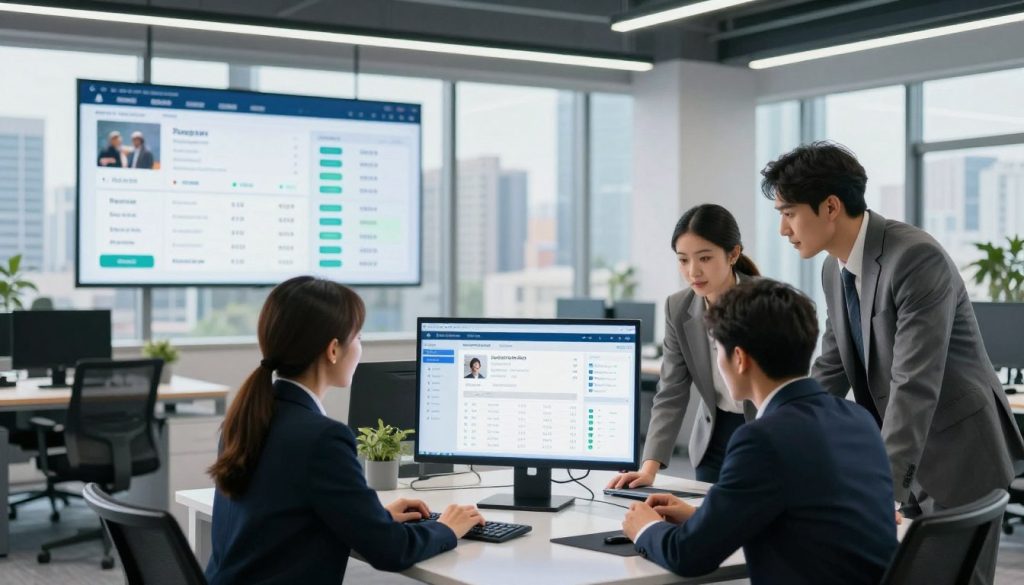
Modern hospitality management software acts as the central nervous system for your venue. By moving away from fragmented spreadsheets, you gain a unified view of your entire operation. This transition is essential for any operator looking to improve overall business performance in a competitive Australian market.
Centralising Data for Better Decision Making
Fragmented information often leads to missed opportunities and operational blind spots. When you consolidate your front-of-house and back-office data, you create a single source of truth. This allows you to make data-driven decisions that directly protect your bottom line.
Accessing real-time insights means you no longer have to wait for end-of-month reports to understand your margins. You can identify trends as they happen and adjust your strategy accordingly. This level of visibility is what separates thriving venues from those simply trying to survive.
Automating Routine Administrative Tasks
Manual data entry and repetitive back-office processes drain your team’s energy and time. By prioritising administrative automation, you reclaim valuable hours that are better spent on the guest experience. Software solutions handle everything from inventory updates to payroll calculations with precision.
Reducing the reliance on manual input also significantly lowers the risk of human error. Your staff can focus on high-value tasks rather than getting bogged down in paperwork. This shift creates a more efficient and motivated workplace culture.
Enhancing Revenue Management and Dynamic Pricing
Staying competitive in a fluctuating market requires agility and foresight. Advanced revenue management modules allow you to monitor demand patterns and adjust your offerings in real time. This ensures your pricing strategy remains optimal throughout the day or week.
Implementing dynamic pricing helps you maximise yield during peak periods while remaining attractive during quieter times. By leveraging these automated tools, you ensure your venue captures the best possible value from every guest. It is a proactive approach to maintaining profitability in an ever-changing industry.
Key Features That Drive Operational Efficiency
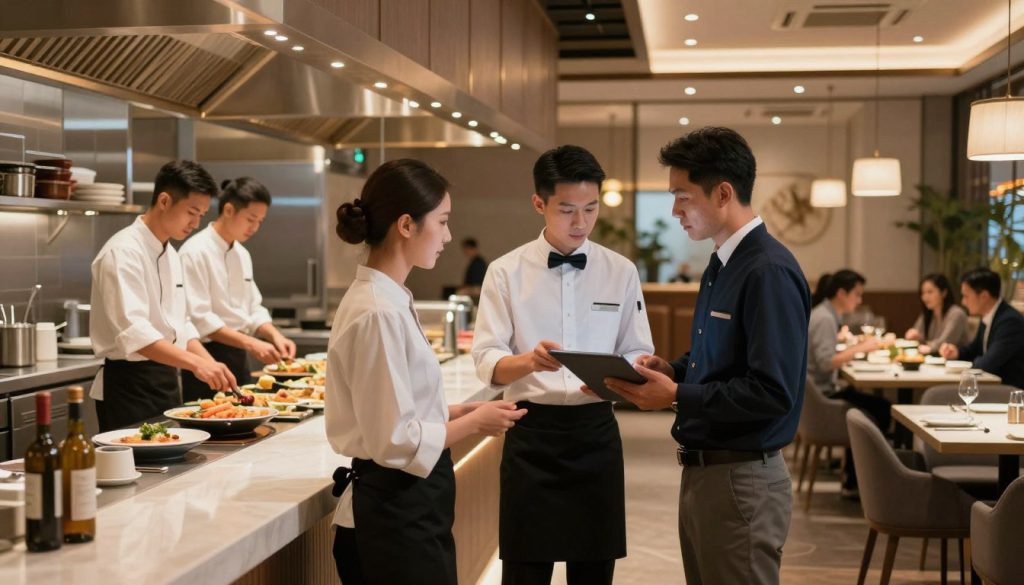
Achieving peak operational efficiency requires a seamless connection between your front-of-house and back-of-house systems. When your technology stack communicates effectively, you eliminate the friction that often slows down daily restaurant operations. This integration allows you to focus on guest satisfaction rather than manual data entry.
Real-Time Inventory and Stock Control
Managing stock levels manually is a recipe for wastage and lost profit. By implementing real-time inventory tracking, you gain immediate visibility into what is being used and what needs reordering. This precision ensures you never over-order perishables or run out of high-margin items during a busy shift.
Integrated Point of Sale and Payment Processing
Your point of sale system acts as the central nervous system of your venue. When it integrates directly with your inventory and accounting software, you remove the need for double-handling data. This connectivity ensures that every transaction is recorded accurately, providing you with a clear picture of your financial health in real time.
Automated Rostering and Staff Management
Labour is often your largest expense, making efficient scheduling vital for your bottom line. Automated rostering tools allow you to build schedules based on predicted sales volume and staff availability. This approach prevents overstaffing during quiet periods and ensures you have enough hands on deck when the rush hits.
Improving Compliance with Australian Fair Work Standards
Navigating the complexities of employment law is a significant burden for any venue owner. Modern software helps you maintain strict adherence to Fair Work standards by tracking hours, breaks, and penalty rates automatically. By digitising these processes, you reduce the risk of human error and ensure your business remains fully compliant with current regulations.
Strategic Advantages for Australian Venue Owners
Scaling a hospitality business requires more than just hard work; it demands precise digital infrastructure. As the Australian hospitality industry evolves, operators must adopt systems that provide a clear view of their entire portfolio. Moving away from manual processes allows you to focus on high-level strategy rather than daily firefighting.
Improving Customer Retention Through Personalisation
Your guest data is a goldmine waiting to be tapped. By implementing a digital-first guest experience, you can track preferences and visit history across your venues. This level of insight is essential for driving customer retention in a competitive market.
When you know exactly what your regulars prefer, you can offer tailored promotions that feel personal rather than transactional. Targeted loyalty programs built on real data ensure that your guests feel valued every time they walk through your doors.
Scalability for Multi-Venue Operations
Managing one venue is difficult, but maintaining consistency across several locations is a different challenge entirely. Effective multi-venue management relies on centralised software that synchronises your operations in real time. This ensures that your brand standards remain uniform, regardless of which location a guest visits.
Centralisation allows you to push menu updates, pricing changes, and staff rosters to all sites simultaneously. You gain the ability to scale your operations without the typical friction that comes with rapid expansion.
Reducing Human Error in Financial Reporting
Manual data entry is the primary cause of discrepancies in your books. By digitising your workflow, you eliminate the risks associated with spreadsheets and paper-based tracking. Automated financial reporting provides you with accurate, up-to-the-minute insights into your profit margins.
You can trust your numbers when they are generated directly from your point-of-sale and inventory systems. This operational clarity empowers you to make informed decisions that protect your bottom line and support long-term growth.
Conclusion
The Australian hospitality landscape demands agility and precision. Adopting the right hospitality management software is no longer optional for operators who want to maintain long-term operational efficiency.
You must view your digital infrastructure as a core asset rather than a simple expense. By centralising your systems, you gain the control necessary to navigate the complexities of the modern market. This shift allows you to focus on the guest experience while your backend systems handle the heavy lifting.
We encourage you to evaluate your current tech stack today. Ensure your chosen hospitality technology supports your specific growth and profitability goals. Brands like Lightspeed or Deputy demonstrate how integrated tools can transform daily workflows.
Take the initiative to audit your current processes. Identify where manual friction slows your team down. Investing in the right tools today builds a resilient foundation for your business tomorrow.











