
Running a successful venue in Australia requires more than just great food. You need to master efficient kitchen operations to stay ahead in a competitive market. When your back-of-house performance lags, your entire business suffers from wasted time and shrinking margins.
Many managers struggle with fragmented systems that create unnecessary friction. By focusing on kitchen efficiency, you can regain control of your workflow and improve your bottom line. It is time to move away from manual processes that slow your team down.
This is where Hospoware provides a vital advantage. As a comprehensive technology ecosystem, it connects your staffing, procurement, and guest experience into one unified platform. We help you eliminate complexity so you can focus on what matters most: delivering a premium experience to your patrons.
Key Takeaways
- Prioritise integrated technology to remove operational friction across your venue.
- Use data-driven insights to refine your menu and boost overall profitability.
- Streamline your procurement and staffing to reduce daily waste.
- Empower your team with clear workflows and reliable digital tools.
- Connect your back-of-house performance directly to your guest experience goals.
Understanding the Importance of Efficient Kitchen Operations
Operational clarity serves as the backbone of every thriving hospitality business in Australia. Whether you run a fast-paced café or a high-end restaurant, the back-of-the-house is where your profit margins are truly won or lost. Moving away from manual tracking allows you to gain a holistic view of your daily output.
Benefits for Hospitality Businesses
To truly boost operational efficiency, you must reduce the friction that plagues daily workflows. Hospoware provides the tools necessary to eliminate manual errors and streamline communication between your front and back-of-house teams. By simplifying these complex processes, you can stop fire-fighting and start focusing on high-level business strategy.
Impact on Customer Satisfaction
Your guests expect consistency, and that starts with a well-oiled kitchen. When your team operates with precision, wait times drop and food quality remains high. Integrating solutions like menumiz qr code ordering ensures that orders flow directly to the kitchen without confusion. This seamless connection helps you optimize kitchen performance and deliver a superior guest experience every single time.
Cost Savings and Resource Management
Effective management of your kitchen resources is the fastest path to increased profitability. When you implement efficient kitchen operations, you gain better control over waste, inventory, and labour costs. Leveraging connected technology allows you to track real-time data, ensuring that your resources are always aligned with your actual demand. This proactive approach is essential to optimize kitchen performance and boost operational efficiency in a competitive market.
Key Components of Efficient Kitchen Operations
To stay competitive in the Australian market, you must master the fundamental components that drive kitchen performance. A structured approach allows you to streamline kitchen processes while maintaining the high standards your customers expect. By focusing on these pillars, you gain the control necessary to scale your business effectively.
Workflow and Layout Design
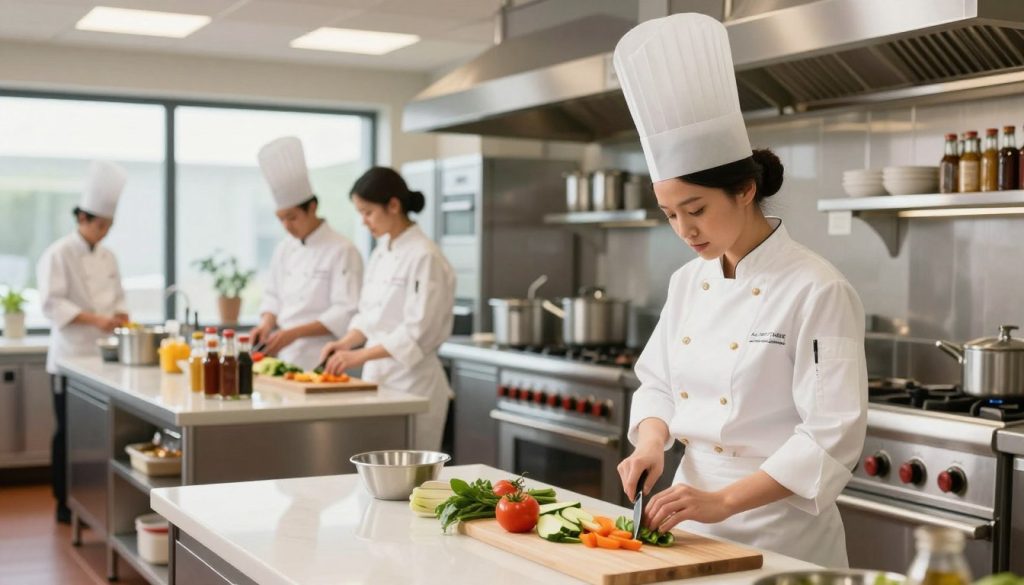
Your kitchen layout dictates the speed of your service. A well-planned space minimises unnecessary movement and prevents staff from crossing paths during peak hours. When you improve kitchen workflow through ergonomic design, you reduce physical fatigue and speed up ticket times.
Inventory and Stock Management
Effective procurement is the backbone of a profitable kitchen. You need a clear view of your supply chain to avoid waste and ensure ingredient availability. Following a practical guide for owners helps you manage stock levels with precision, ensuring that your capital is not tied up in excess inventory.
Training and Employee Development
Your team is your most valuable asset, but they require consistent guidance to perform at their peak. Investing in structured development programs will help you boost operational efficiency across every shift. When staff understand the “why” behind your processes, they become more engaged and accountable for the final output.
Technology Integration
Modern hospitality relies on digital infrastructure to bridge the gap between the front and back of house. Implementing a Kitchen Display System (KDS) replaces paper tickets with digital screens, which helps to enhance food production by providing real-time visibility. Automation software further reduces manual errors, allowing your team to focus on quality rather than administrative tasks.
Best Practices for Optimising Kitchen Efficiency
You can transform your kitchen into a high-performing engine by implementing proven operational standards. Success in the hospitality industry relies on your ability to refine every movement within the kitchen environment. By focusing on these core areas, you will significantly improve kitchen workflow and maintain consistent quality.
Menu Engineering
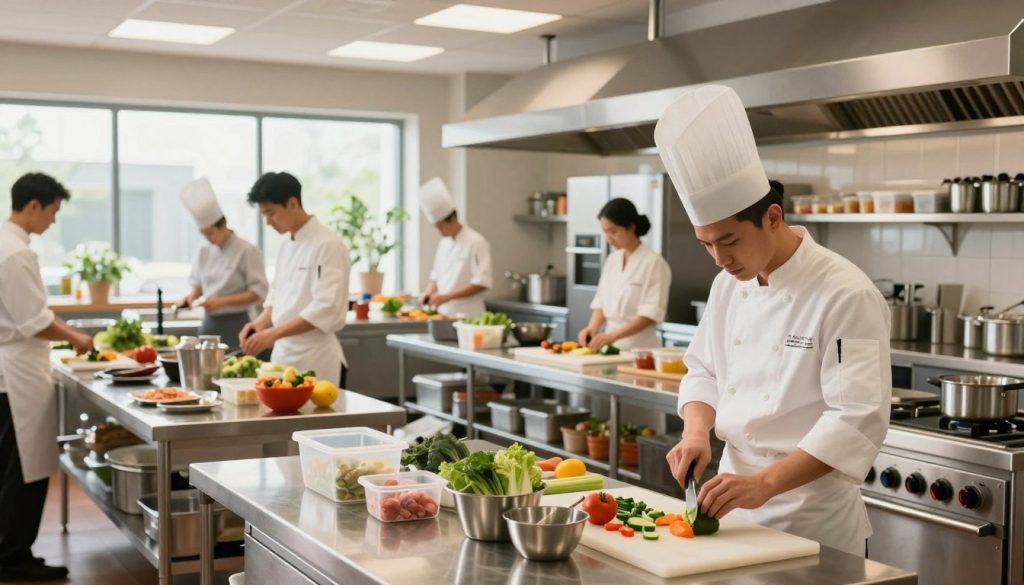
Menu engineering is not just about pricing; it is a vital tool to enhance food production. By simplifying your menu, you reduce the number of ingredients your team must track and prep daily. This focus allows your staff to master specific dishes, which leads to faster service times and fewer errors.
When you align your menu with your kitchen’s physical capacity, you naturally maximize kitchen productivity. Use data to identify high-margin items that are easy to prepare. If you need guidance on balancing your menu with operational reality, learning how to manage a restaurant effectively is the first step toward long-term profitability.
Time Management Techniques
Effective time management relies on strict adherence to inventory protocols. The FIFO (First In, First Out) method remains the gold standard to minimise food spoilage and track use-by dates. When your team follows this system, they spend less time searching for stock and more time on actual cooking.
Technology plays a massive role in reducing labour pressure and streamlining your daily tasks. By using an all-in-one tech stack, you gain real-time data that supports better decision-making. This digital oversight helps you improve kitchen workflow by automating routine administrative work, allowing your chefs to focus on their craft.
Sustainable Practices in the Kitchen
Sustainability is a practical strategy to enhance food production while protecting your bottom line. Reducing waste starts with accurate portion control and precise inventory tracking. When you waste less, you buy less, which directly lowers your overhead costs.
Implementing these sustainable habits will help you maximize kitchen productivity over the long term. A clean, organised, and waste-conscious environment is essential for maintaining kitchen efficiency. By integrating these best practices, you ensure your venue remains competitive and profitable in a fast-paced market.
Common Challenges and Solutions in Kitchen Operations
Running a professional kitchen requires more than just culinary talent. You must balance staff retention, space constraints, and supply chain volatility to keep your venue profitable. Research shows that employees often rate career progression as a more important factor than salary for staying in a business. By investing in your team and using the right tools, you canstreamline kitchen processesto ensure your staff feels valued and supported.
Leveraging Data for Operational Excellence
Hospoware acts as a comprehensive hospitality technology ecosystem that connects your operations, staffing, procurement, marketing, and guest experience. Our reporting and analytics tools provide the visibility you need to optimize kitchen performance in real time. You gain the ability to track waste, monitor costs, and adjust schedules based on actual demand rather than guesswork.
Building a Resilient Future
Data-driven insights allow you to make informed decisions that support business growth and team stability. When you integrate your systems, you maximize kitchen productivity and reduce the friction that leads to burnout. Adopting a unified approach ensures your Australian hospitality business remains competitive and agile. Take control of your operations today to build a sustainable and thriving kitchen environment.











