
Running a venue in Australia today feels like a constant battle against operational friction. You are likely juggling fragmented systems that refuse to talk to each other, leading to wasted time and missed opportunities. Moving away from manual, disconnected processes is no longer just an option; it is a necessity for survival.
Hospoware provides a purpose-built technology ecosystem designed to bridge these gaps. By integrating your digital tools, you can finally reduce labour pressure and focus on what truly matters: your guests. A robust CRM system acts as the central nervous system for your business, turning raw data into actionable intelligence.
When you leverage advanced CRM tools, you regain control over your daily operations. This shift allows you to move from reactive firefighting to proactive growth. Technology serves as a force multiplier, helping you deliver high-value interactions that keep patrons coming back to your venue.
Key Takeaways
- Transitioning from manual processes to a unified digital ecosystem is essential for modern Australian venues.
- Hospoware eliminates operational friction by connecting your fragmented software into one cohesive platform.
- A centralised system reduces labour costs by automating repetitive administrative tasks.
- Data-driven insights allow you to focus your energy on high-value guest interactions.
- Adopting modern technology serves as a force multiplier for busy owners and venue managers.
The Importance of Customer Relationship Management in Hospitality
Fragmented data is the silent killer of profitability in the Australian hospitality sector. When your booking system, point-of-sale, and guest feedback exist in separate silos, you lose the ability to see the full picture. Implementing a professional customer retention strategy allows you to bridge these gaps and regain control over your operations.

Understanding Customer Needs and Preferences
Effective customer database management is the foundation of a modern venue. By centralising your data, you can anticipate specific guest requirements before they even walk through your doors. Whether it is a recurring dietary restriction or a preference for a quiet corner table, having this information ready creates a seamless arrival experience.
You no longer need to rely on staff memory or scattered notes. A unified profile ensures that every team member can provide consistent, high-quality service. This proactive approach turns basic interactions into memorable moments that guests appreciate.
Building Long-lasting Relationships
True loyalty is built on recognition and relevance. When you use data to track guest history, you can tailor your outreach to match their specific habits. This is where a sophisticated customer retention strategy proves its worth by driving repeat revenue.
Hospoware helps you transform raw, disconnected data into a powerful tool for growth. By identifying your most valuable guests, you can create targeted offers that actually resonate. This moves your business away from generic marketing and toward meaningful engagement.
Enhancing Personalisation and Service Quality
Modern Australian guests expect a level of service that feels personal and intuitive. Superior customer experience management requires you to connect fragmented data points into a single, actionable profile. This clarity allows you to deliver the high-touch service that defines successful hospitality brands.
Investing in robust customer database management ensures your team is always informed. When you prioritise customer experience management, you reduce operational friction and build a reputation for excellence. This is how you stay competitive in a crowded market.
Key Features of Effective CRM Systems for Hospitality
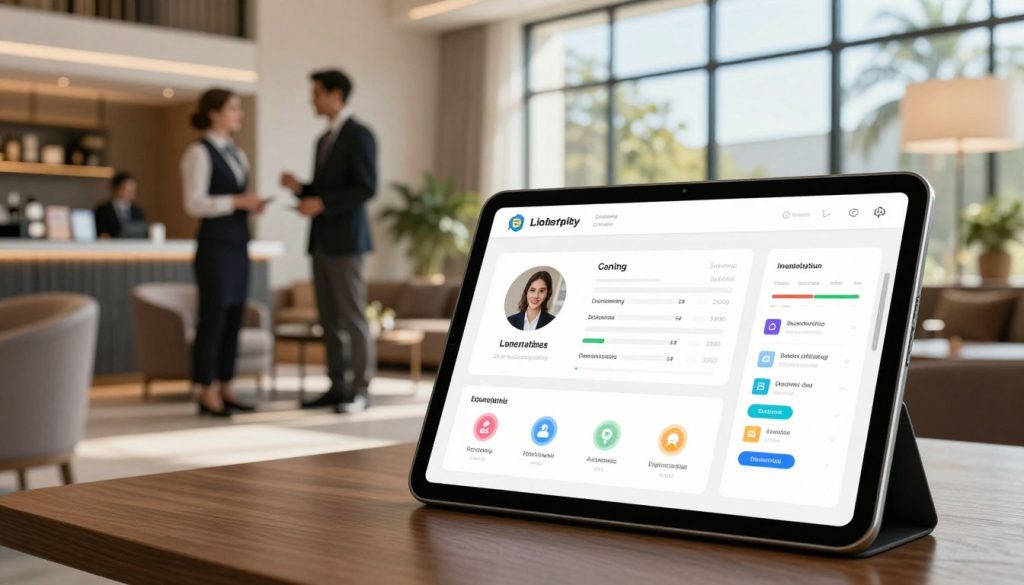
You can eliminate operational friction by choosing the right software ecosystem for your venue. Hospoware serves as a comprehensive hospitality technology ecosystem that connects your operations, staffing, and guest experience into one unified flow. By bridging the gap between your front-of-house and back-of-house, you gain the clarity needed to scale your business effectively.
Centralised Customer Data Management
Effective customer database management is the foundation of any high-performing venue. Instead of keeping guest details in scattered spreadsheets, a professional system consolidates every interaction into a single profile. This allows you to track preferences, visit history, and spending habits with precision.
When your data is centralised, your team can provide personalised service that keeps guests returning. You no longer have to guess what a regular customer prefers. This level of insight turns raw data into actionable intelligence for your management team.
Automated Communication and Marketing Tools
Manual outreach is a drain on your staff’s time and energy. Modern CRM tools allow you to automate your marketing efforts, from birthday offers to post-visit feedback requests. These systems ensure that your brand stays top-of-mind without requiring constant manual intervention.
By automating routine communication, your team can focus on delivering exceptional service on the floor. These CRM solutions handle the heavy lifting of engagement, ensuring that no guest feels ignored. This efficiency is vital for busy operators who need to maximise their output.
Integration with Booking and Payment Systems
A truly powerful CRM platform must talk to the rest of your tech stack. When your booking and payment systems are fully integrated, you create a seamless journey for your guests. This connectivity ensures that every transaction is recorded accurately against the correct guest profile.
For operators looking to streamline their procurement, integrating these systems with ahospitality procurement platformis a game changer. This holistic approach ensures that your inventory levels align with your booking trends. Using the right client management software allows you to regain control of your operations and drive measurable business growth.
Implementing CRM Strategies in Hospitality Businesses
Successful digital transformation requires more than just installing software. You must align your team with the new tools to ensure long-term operational success. A robust customer retention strategy relies on staff who understand how to use data to improve every guest interaction.
Training Staff for CRM Success
Your team needs clear protocols to make the most of your client management software. Training should focus on data entry accuracy and using insights to anticipate guest needs. When staff feel confident with the technology, they provide better service and build stronger loyalty.
Measuring and Analysing Customer Satisfaction
You can track performance by using advanced reporting tools. Platforms likeHospowareprovide the analytics needed to control labour costs and refine your service delivery. These CRM solutions allow you to see exactly where your venue excels and where you need to adjust your approach.
Continuous Improvement and Feedback Loops
A modern CRM platform acts as the heartbeat of your business. By reviewing guest feedback and operational data, you create a cycle of constant refinement. This process keeps your venue competitive in the fast-paced Australian market. For those managing larger properties, exploring resources likeThynk.Cloudhelps you understand the broader landscape of CRM implementation. Consistent data analysis ensures your business remains agile and profitable.











