
Use Hospomarket to connect, compare, manage and order from vendors and delivery partners. Add the Hospoware tools that fit your business, including Menumiz ordering and reservations, Hospoforce staffing solutions and Restaurantility growth support.
Bring supplier data into clearer daily control
See how Hospoware can support your hospitality business with connected tools for supplies, ordering, staffing and management.
Why Supplier and Procurement Data Become an Operations Problem
Hospitality purchasing moves quickly. A supplier changes availability. A delivery arrives short. A price changes between orders. An invoice needs approval while the team is serving guests.
When systems do not connect, your team fills the gaps with spreadsheets, emails, phone calls and repeated data entry. That takes time away from service and management.
Disconnected supplier information
Supplier details, product lists and order records may sit in different tools. Your team then spends time checking which information is current.

Slow purchasing workflows
Manual requests and approval steps can delay purchasing. Delays create pressure when the venue needs stock for the next service.
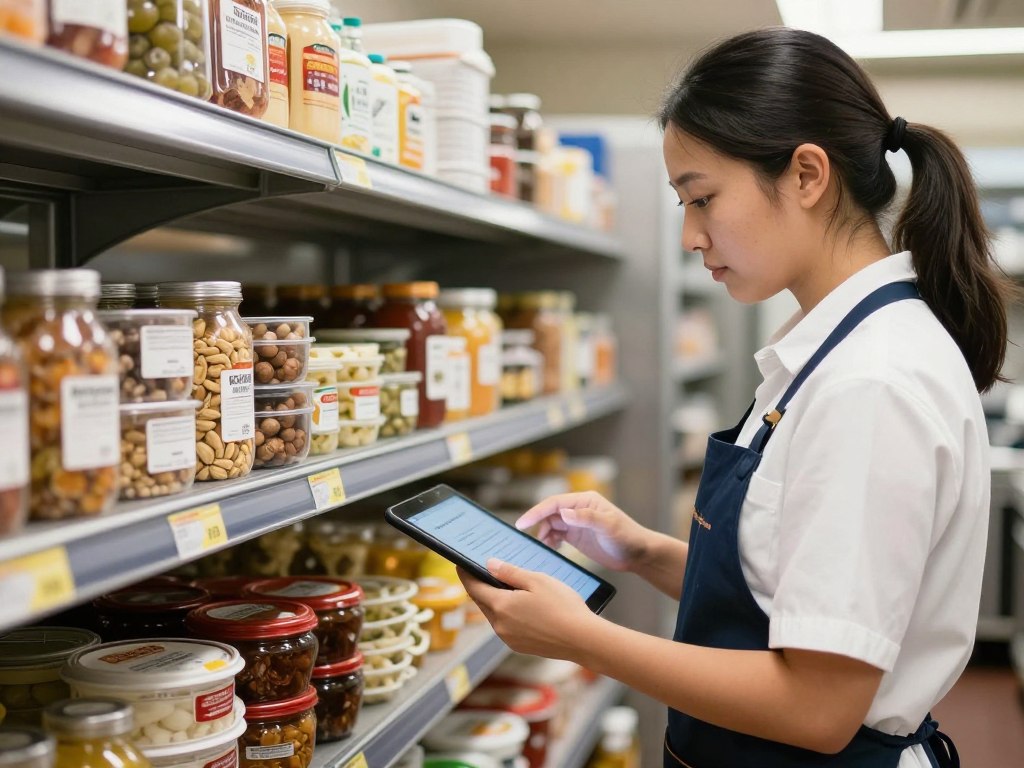
Limited operational visibility
If supplier and inventory data cannot be reviewed together, it is harder to understand purchasing costs, order status and business performance.
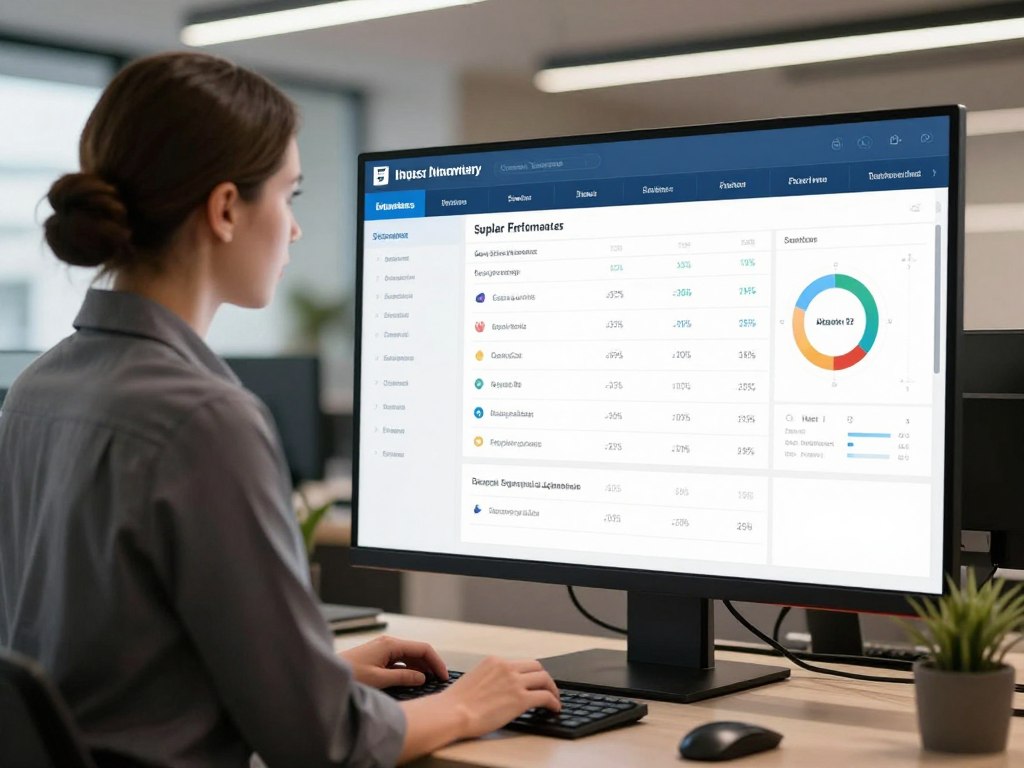
How Supplier System Integration in Hospitality Should Work
Integration is not simply moving information from one screen to another. It is about creating a practical flow between purchasing, supplier activity, inventory and operations.
A useful supplier system integration hospitality model starts with the way your team works. It considers who creates an order, who checks it, who approves payment and how the information is used after delivery.
- Capture the purchasing need. A venue identifies the food, beverage, equipment or supply requirements for the next service period.
- Connect supplier choices. The team can compare available suppliers and select the right order path for the business.
- Keep order information visible. Managers can review what was requested, ordered, delivered and received.
- Support invoice and payment control. Records can be checked before payment and accounting work continues.
- Use the data in operations. Purchasing information can support inventory decisions, cost tracking and management reporting.
A Connected Platform for Hospitality Management
Hospoware describes its ecosystem as a way to start with what you need and add services as your business grows. That approach matters when you already have working systems and do not want to replace everything at once.
The ecosystem includes Hospomarket for hospitality marketplace and supplies, Menumiz for ordering and reservations, Hospoforce for staffing and Restaurantility for growth support. The aim is to reduce disconnected systems, manual data entry and fragmented support.
Hospomarket for supplies
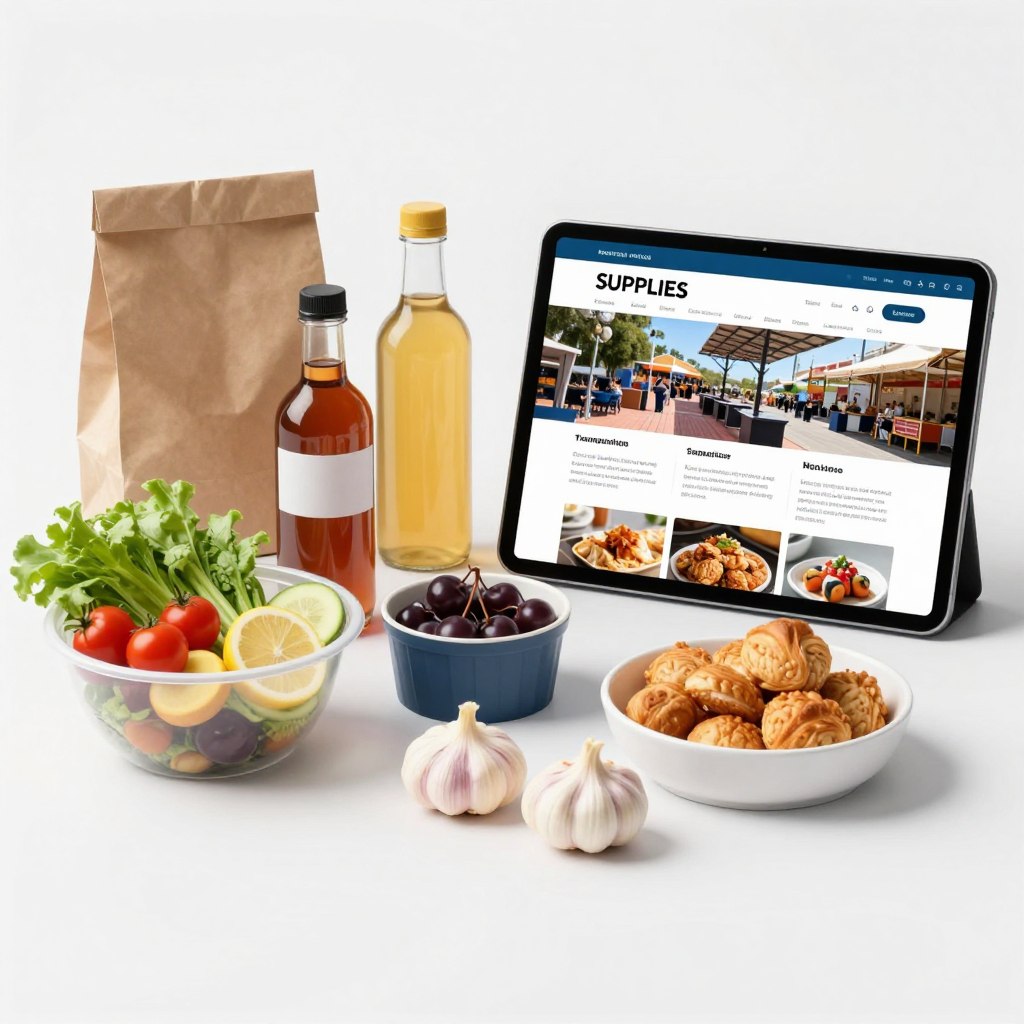
Hospomarket is positioned as a hospitality marketplace that helps you connect, compare, manage and order from vendors and delivery partners. It is the most relevant starting point for supplier and purchasing needs.
Menumiz for ordering
Menumiz supports ordering and reservation use cases within the broader ecosystem. Connecting guest-facing activity with operational information can help create a clearer view of venue demand.
Hospoforce for staffing
Staffing affects purchasing, service and daily operations. Hospoforce provides hospitality-focused staffing and workforce solutions that can sit alongside your other management needs.

Use Cases Across Hospitality Businesses
Different venues have different purchasing patterns. The right integration approach should reflect your service model, supplier base, location and management structure.
Restaurants
Restaurants need reliable ordering, purchasing and inventory processes. A connected approach can help managers align supplier activity with service demand and team capacity.
- Coordinate food and beverage purchasing.
- Track supplier orders and delivery activity.
- Support multi-location management.
- Review costs and reporting data.

Cafés and coffee shops
Cafés often operate with fast service and frequent replenishment. The purchasing process must be simple enough for busy teams while giving owners useful management information.
- Manage frequent supply orders.
- Keep takeaway and service needs visible.
- Reduce repeated supplier data entry.
- Support clearer cost control.

Hotels and venue groups
A hotel or hospitality group may have several departments, locations and approval paths. A connected platform can support a more consistent approach to supplier management and reporting.
- Coordinate supply needs across locations.
- Support central purchasing processes.
- Give managers a shared view of activity.
- Link operational information across services.
Capabilities to Look For in Procurement Integration Software
Do not choose software because it has the longest feature list. Choose it because it supports the processes your team must complete every day.
Supplier management
- Supplier records that are easy to find and maintain.
- Clear visibility of vendor and delivery partner options.
- Order information that can be reviewed by authorised users.
- Practical support for multiple locations and business needs.
Purchasing control
- Simple workflows for requests, orders and approval.
- Clear responsibility for each purchasing step.
- Records that help managers check costs and invoices.
- Less duplicated entry across connected systems.
Operational insight
- Data that supports inventory and ordering decisions.
- Reporting and analytics that managers can understand.
- Tracking for supplier, order and process performance.
- A platform that can grow with your hospitality business.
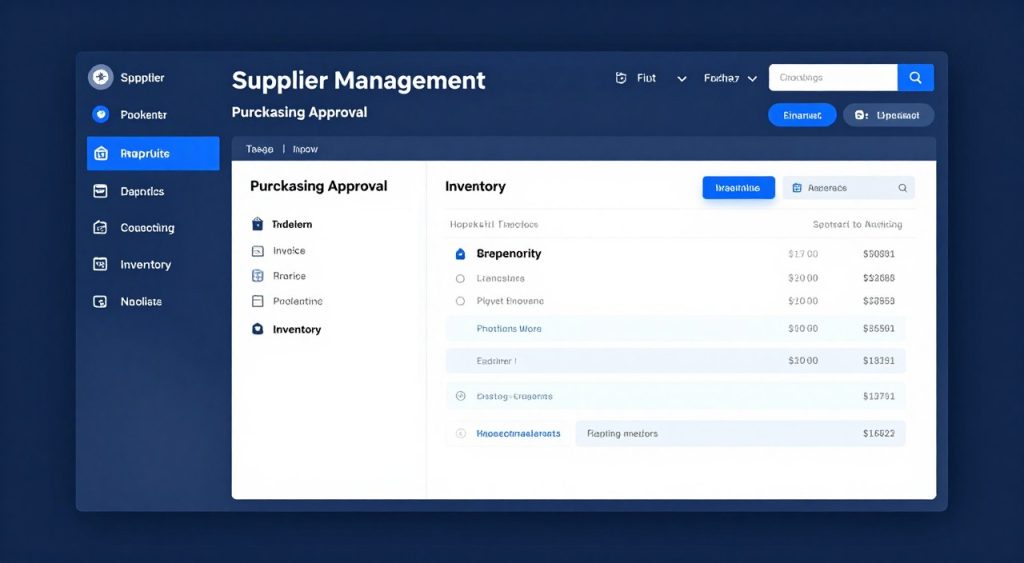
How to Evaluate a Hospitality Supplier Integration Platform
A good evaluation starts with your current process. Map the work before you compare software.
Ask operational questions
- Where does supplier data enter the business?
- Who creates and approves a purchase?
- How are invoices checked before payment?
- Which information is re-entered by staff?
- What does each location need to report?
Test the decision criteria
- Can the system fit your existing processes?
- Will staff understand the workflows quickly?
- Can you add tools as your business changes?
- Is support clear during onboarding?
- Can you measure time, cost and process improvements?
Practical test: take one real supplier order from request to payment. Ask the provider to show where the information is entered, checked, approved, stored and used. This reveals more than a generic feature demonstration.
Connect Purchasing Data With Inventory and Operations
Supplier integration becomes more valuable when purchasing data supports the rest of the business. An order is not finished when it is sent. Your team needs to know what arrived, what changed and what action comes next.
For example, an approved order can support receiving checks. Receiving information can inform inventory control. Inventory information can influence future purchasing. Management reporting can then show the wider business picture.
This does not mean every business needs a complex enterprise system. It means the tools you choose should reduce unnecessary handoffs and create a more reliable source of operational information.
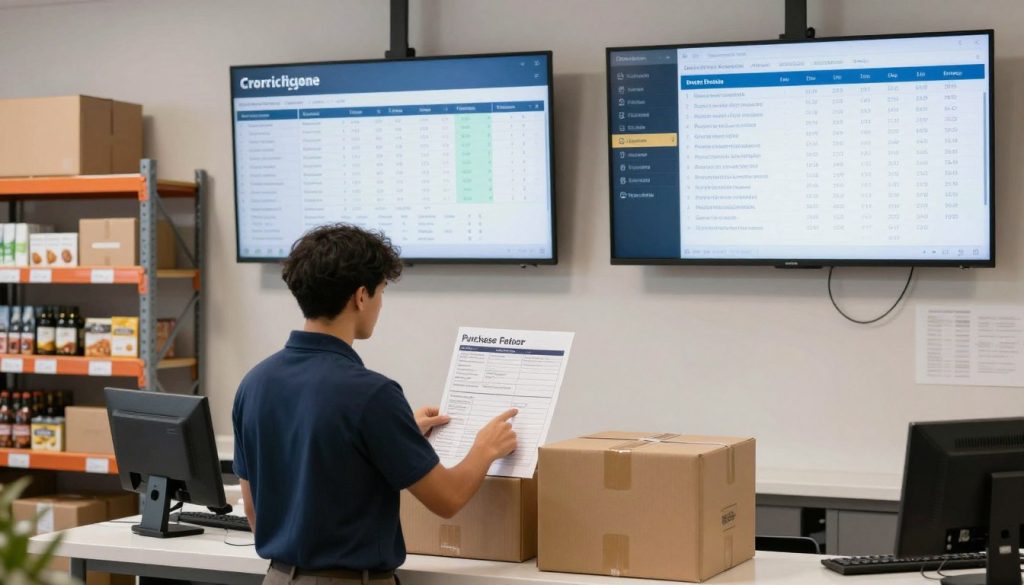
See the connected operating model
Talk through your supplier, purchasing, inventory and operations processes with the Hospoware team.
Connect the Tools Your Business Needs
Hospoware is built as an ecosystem rather than a single-purpose purchasing tool. You can explore the part that solves the immediate problem, then consider the wider operating model.

Who This Software Is For
Hospoware is relevant to businesses that want to reduce friction across hospitality management. The best fit depends on your current systems, processes and growth plans.
- Independent restaurants: improve control without building a complex technology stack.
- Café owners: connect supplier activity with fast-moving daily operations.
- Hotels: coordinate food and beverage needs with wider venue requirements.
- Venue managers: create clearer approval, purchasing and reporting workflows.
- Franchise groups: support more consistent processes across locations.
- Growing businesses: start with one service and add tools as needs change.

Plan the Implementation Before You Choose
Implementation should be treated as an operational project. The goal is not only to install software. The goal is to make the new process easier for the people who use it.
- Document the current process. Record supplier onboarding, purchasing, approval, receiving, invoice checking and payment steps.
- Choose the first use case. Start with the process that creates the most manual work or the greatest lack of control.
- Set ownership. Decide who manages supplier information, approval rules, user access and reporting.
- Prepare the team. Explain how the new workflows change daily tasks. Keep guidance short and practical.
- Review the results. Track time spent, order visibility, invoice processing, inventory accuracy and management reporting.
Do not promise a smooth rollout without checking your requirements. Ask about onboarding, support, existing hardware, data handling, user access and the process for adding locations.
Build a Clear Business Case
The business case for supplier integration should focus on measurable operational improvements. Avoid broad promises. Define what better control means for your business.
Time saved
Measure time spent searching for supplier information, re-entering orders, checking invoices and preparing reports.
Cost control
Review purchasing costs, invoice exceptions, supplier changes and avoidable process delays. Use the information to improve decisions.
Management visibility
Give the right people access to useful data. Better reporting can support faster action across locations and departments.
Start With a Practical Conversation
You do not need to prepare a long technical brief. Bring your current supplier and purchasing process. The Hospoware team can help you discuss where connected software may fit.
Frequently Asked Questions
What is hospitality supplier integration software?
It is software that helps connect supplier, purchasing, order, inventory and operational information. The purpose is to reduce manual handoffs and give managers clearer control.
Is this the same as a procurement integration platform?
Not always. A procurement integration platform may focus mainly on purchasing workflows. Hospitality software should also consider venue operations, suppliers, inventory, ordering and management needs.
Can a small hospitality business use an integrated platform?
Yes, if the platform matches the business requirements and the team can adopt the workflows. Starting with one clear use case can reduce complexity.
How can supplier data support inventory management?
Supplier order and delivery information can help your team review what was requested, what arrived and what may need attention. This supports more informed inventory decisions.
Does Hospoware offer more than supplier tools?
Yes. Hospoware presents an ecosystem that includes Hospomarket, Menumiz, Hospoforce and Restaurantility. You can explore the services that match your current management needs.
Take Control of Your Hospitality Supply Workflows
Disconnected supplier systems create avoidable work. A connected approach can give your team a clearer process for purchasing, approval, invoice handling, inventory and reporting.
Start with the operational problem you need to solve now. Then build from there with software that supports your hospitality business as it develops.

Ready to connect the moving parts?
Book a free Hospoware demo and discuss your supplier integration, purchasing and hospitality management requirements.











