Restaurant CRM and loyalty software brings those customer relationships into a more useful operating view. You can understand visits, support a loyalty program and make better marketing decisions without adding more disconnected tools.
Turn guest information into useful action
Talk with Hospoware about the systems, data and loyalty workflows your operation needs.
Why restaurant CRM and loyalty software matters
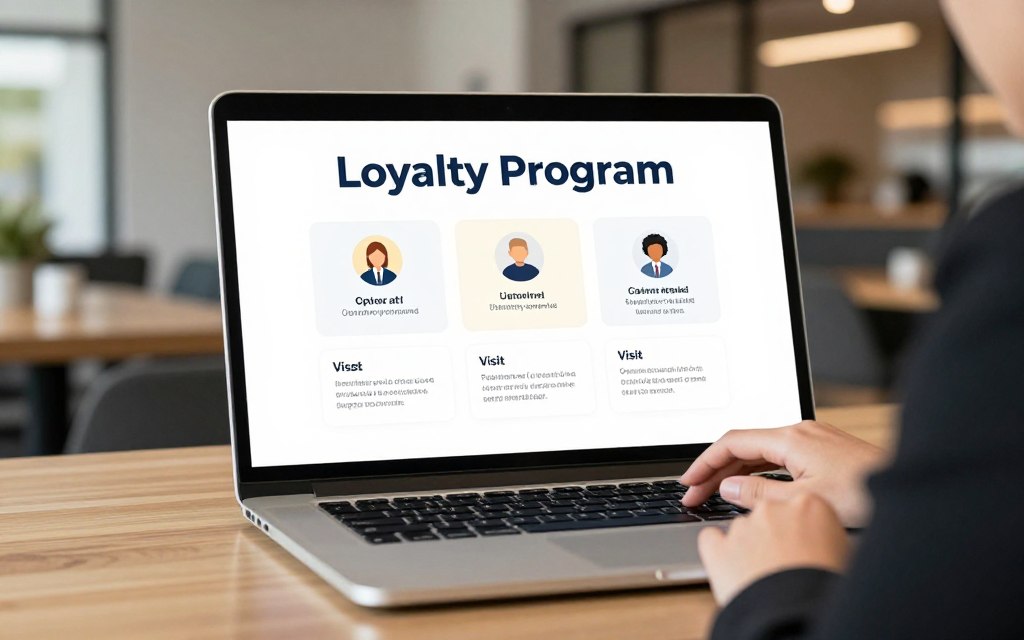
A loyalty program is more than a points offer. It is a structured way to encourage repeat visits and understand customer behaviour. A guest CRM gives your team a clearer record of relevant customer interactions. Together, they can improve the experience and support more consistent marketing.
This matters because repeat business is rarely created by one campaign. It comes from useful timing, relevant offers and reliable service. Your teams need access to the right information at the right time. They also need systems that fit the pace of a busy restaurant.
One customer view
Bring useful guest data closer to the decisions your team already makes. Look at visits, order behaviour and loyalty activity as connected signals.
- Reduce fragmented records
- Support better guest recognition
- Make customer history easier to use
More relevant marketing
Use customer information to plan campaigns around behaviour and timing. Avoid sending the same offer to every guest.
- Plan targeted campaigns
- Improve offer relevance
- Track campaign activity
Stronger loyalty operations
Manage the program as part of the restaurant workflow. Keep the customer experience simple for guests and staff.
- Support repeat visits
- Make points easier to manage
- Review program performance
Where restaurant teams lose customer value
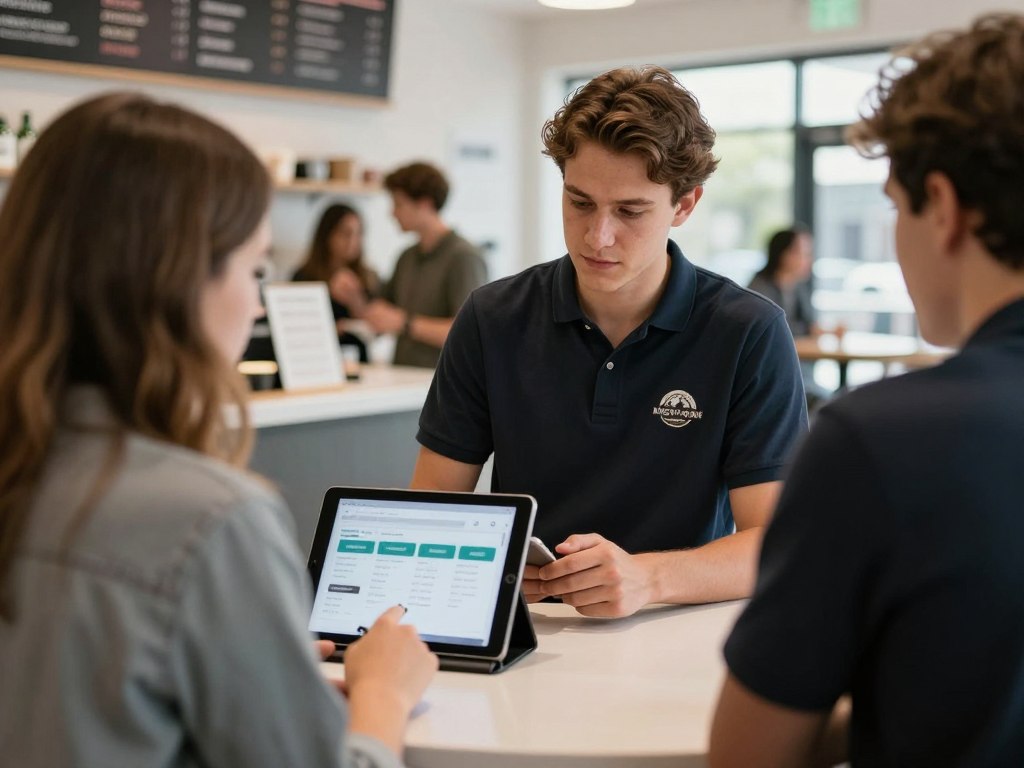
Many restaurants collect data but do not use it well. The issue is not always a lack of tools. It is often a lack of connection between systems, teams and daily decisions.
Disconnected customer records
When customer information is spread across the POS, booking tools, email platforms and loyalty apps, your team cannot easily see the complete relationship. This slows marketing and makes reporting harder.
Generic loyalty programs
A basic restaurant loyalty program can become a discount process. If every guest receives the same offer, the program may not reflect visit frequency, order value or customer preferences.
Manual campaign work
Manual exports take time. They also create opportunities for errors. A practical platform should help you move from guest data to campaigns with less operational friction.
Unclear performance
Points issued are not the same as business value. You need to consider visits, redemption activity, campaign response and the quality of the guest experience. The right insights depend on the data your systems can capture and share.
Start with the operational problem
Request a discussion focused on your current platform, POS process, guest data and loyalty goals.
How a connected platform supports daily hospitality work
The value of a restaurant CRM is practical. It should help teams make better decisions without forcing them to become data analysts. The value of restaurant loyalty software is similar. It should support repeat visits while fitting naturally into service.
Recognise customer relationships
A useful guest CRM can help you organise customer information and understand the relationship over time. This may include visit patterns, order context and loyalty status where those records are available. Your team can then plan communication with more confidence.
Build a useful loyalty program
Start with a clear customer action. That may be a repeat visit, an order or another behaviour that matters to the business. Set rules that staff can explain quickly. Keep the points or reward structure easy for customers to understand.
Connect loyalty with the POS process
Customer loyalty POS workflows should not create unnecessary work at the counter. Consider how guests join, how transactions are recognised, how rewards are applied and how staff handle exceptions. A smooth process protects the restaurant experience.
Plan campaigns around behaviour
Marketing becomes more useful when campaigns have a clear audience and purpose. You may create a campaign for inactive guests, frequent visitors or customers who show interest in a particular menu category. Always confirm which segments and data fields your chosen platform supports.
Review performance in real time where available
Real time visibility can help managers respond faster. However, the quality of any insight depends on data accuracy, system integration and the way teams use the information. Ask vendors to show the actual workflow, not only a polished feature list.
What to evaluate in restaurant loyalty software
Do not choose a platform because it has the longest feature list. Choose the system that supports the work your restaurant needs to do repeatedly.
Guest data
- What customer records can the platform store?
- Can teams search and use guest information easily?
- Are consent and communication preferences handled clearly?
- Can you export or report on relevant data?
Loyalty management
- Can you configure the restaurant loyalty program around your goals?
- Are points, rewards and redemption rules clear?
- Can guests use the program without staff confusion?
- Can managers review visits and program activity?
System fit
- Does the platform fit your current POS process?
- Which integration options are verified?
- What happens when a transaction fails to sync?
- What support is available during implementation?
POS and platform integration
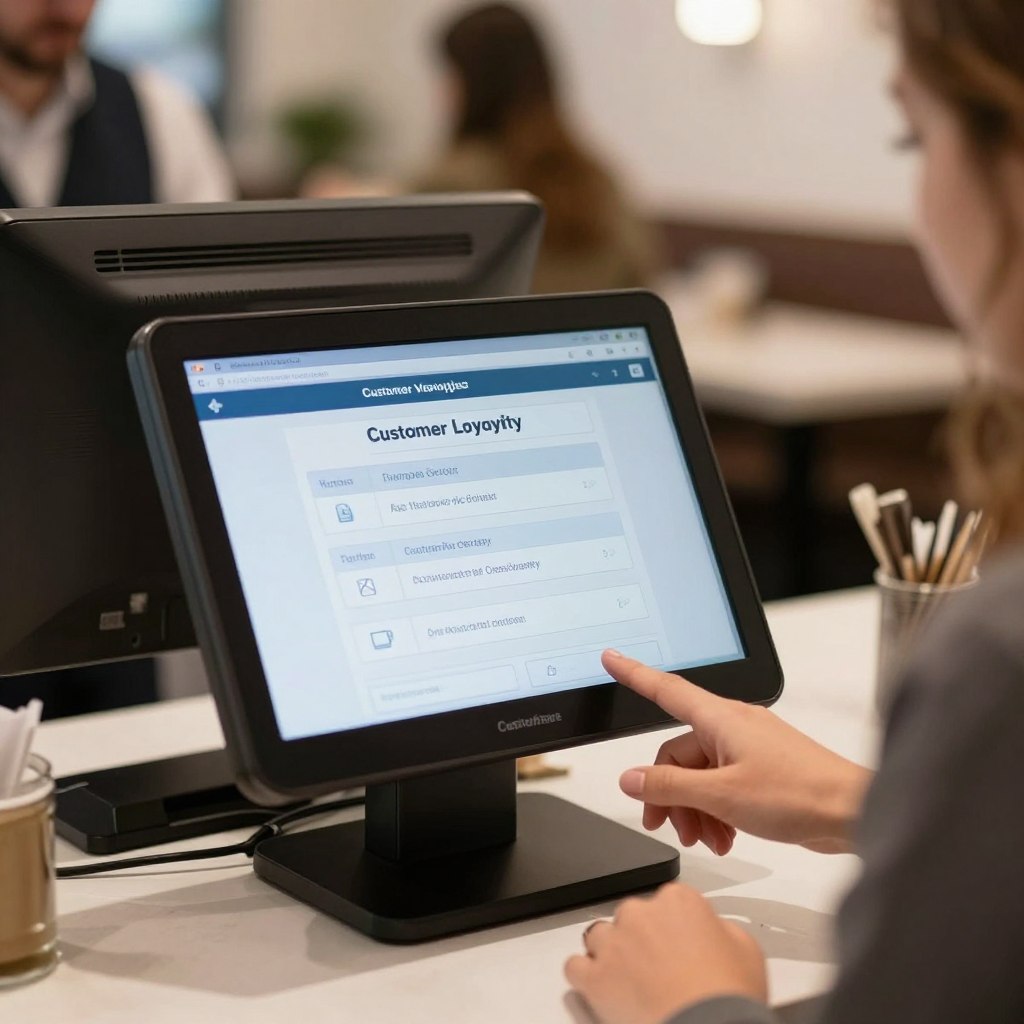
Customer loyalty POS capability should be tested in the real operating context. Ask for a demonstration using a typical transaction. Review the steps for joining, earning, redeeming and correcting a customer record. A good fit is one your team can use during a busy service.
Marketing tools and campaign control
Marketing tools should help you create useful communication, not simply send more messages. Look for audience controls, campaign visibility and reporting that your team can understand. Confirm whether email, SMS, app and other channels are included or require separate systems.
Support and management
Support is part of the platform decision. Ask who helps with setup, staff training, data questions and operational changes. Also confirm how managers receive insights and how teams can maintain accurate customer records over time.
Build a hospitality technology stack that works together
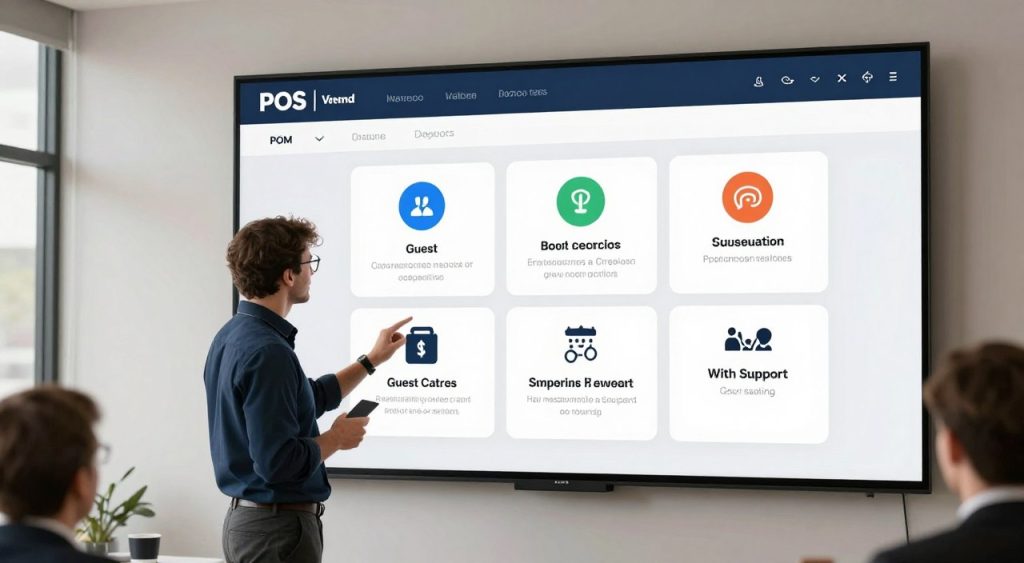
Restaurant operators rarely need another isolated application. They need a clearer relationship between the systems already used by the business. That includes customer-facing tools, operational platforms and management information.
Hospoware provides a starting point for exploring a hospitality technology ecosystem. Review the Hospoware platform to understand how the wider approach may support your operation.
Guest-facing loyalty and ordering
Where verified, Menumiz can be considered for guest-facing functions such as digital menu experiences, ordering and loyalty activity. Review the relevant Menumiz solution information and confirm the current functionality with the Hospoware team before making a buying decision.
Operational control for hospitality teams
CRM and loyalty are more useful when they connect with the work happening behind the scenes. Hospoforce may be relevant when you are reviewing operational processes and workforce needs. Explore the Hospoforce solution area for current information.
Procurement and supplier workflows
Restaurant performance depends on more than customer communication. Stock, procurement and supplier management also affect margin and service. If that is part of your wider project, review the Hospomarket solution area and confirm which capabilities apply to your business.
Single-site restaurant
Prioritise simple guest capture, repeat-visit activity and staff adoption. A smaller team needs clear workflows and practical support.
Multi-site group
Review permissions, reporting, campaign consistency and the ability to manage different venues without losing local relevance.
Franchise operation
Define which loyalty rules, customer experiences and marketing controls should be shared across locations.
Who benefits from restaurant CRM and loyalty software?
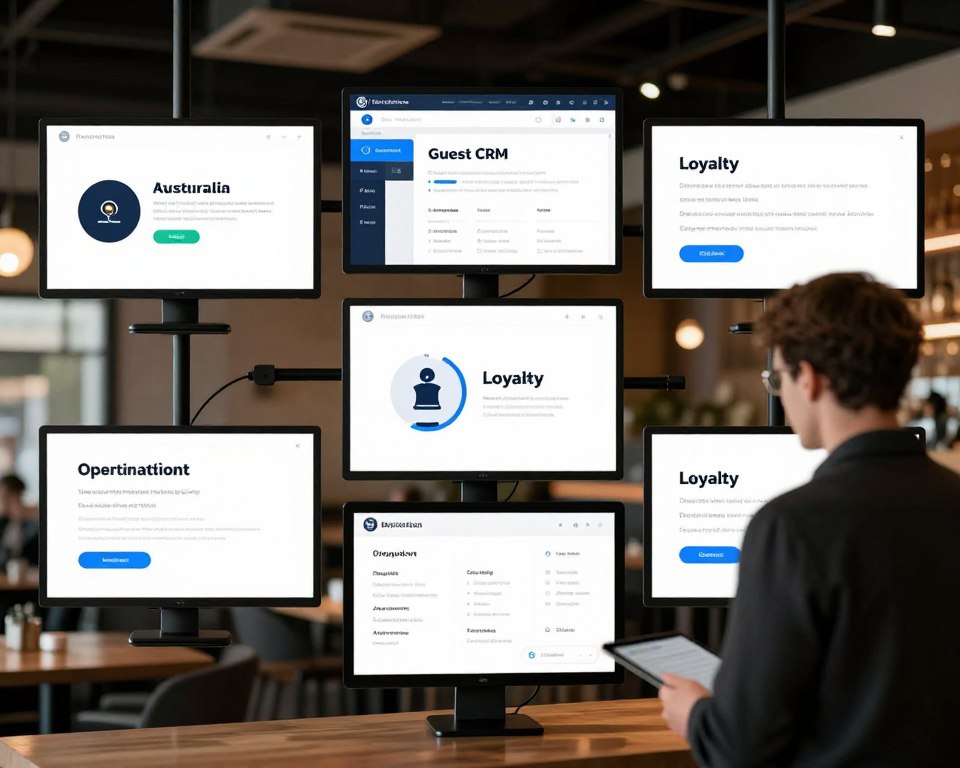
The best restaurant CRM is not defined by business size alone. Fit depends on customer volume, operating complexity, marketing ambition and the quality of your current systems.
Restaurant and café owners
You may need a clearer way to understand repeat customers and measure the impact of a loyalty program. Start with the customer actions that matter most to your business.
Venue managers
You need workflows that staff can follow during service. Look for a platform that makes enrolment, transaction tracking and reward redemption straightforward.
Marketing teams
You need usable guest data, audience controls and campaign reporting. Confirm whether the platform supports the channels and customer segments you plan to use.
Hospitality groups
You may need consistent customer experiences across restaurants while keeping venue-level management practical. Review how the platform handles teams, permissions, reporting and program rules.
Operators replacing disconnected tools
If your current stack includes separate systems for POS, marketing, loyalty and customer records, map the process before choosing a replacement. This exposes duplicate work and missing data.
How to choose and implement a loyalty platform
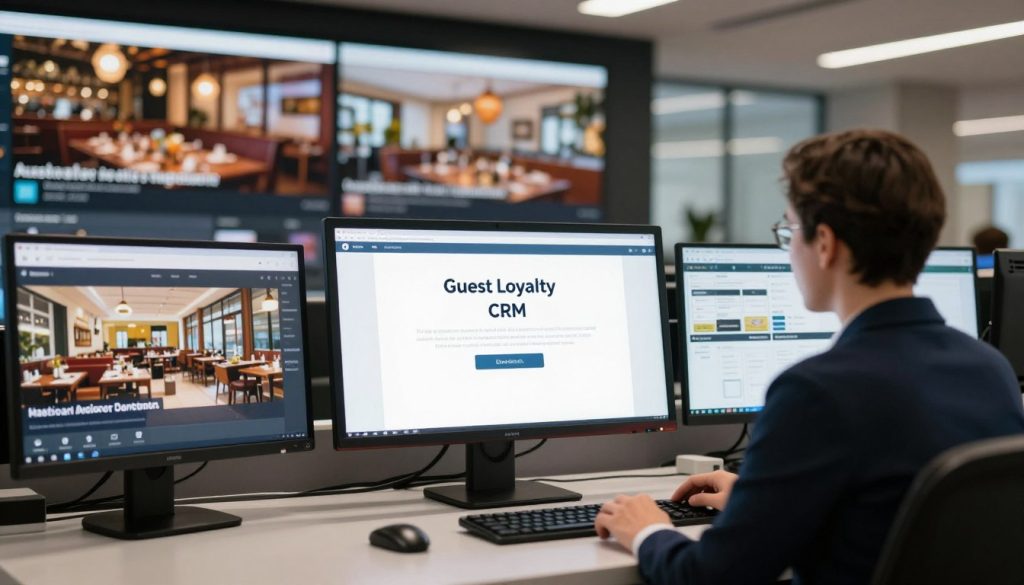
A software decision should begin with the operating model, not the sales demonstration. Use the following process to keep the project controlled.
- Document the customer journey from first visit to repeat visit.
- List the systems involved in ordering, POS, bookings, marketing and loyalty.
- Define the customer data that is necessary for useful decisions.
- Set a small number of measurable program and campaign objectives.
- Test the platform with realistic transactions and staff workflows.
- Confirm support, data handling, integration scope and implementation responsibilities.
- Launch with a controlled audience before expanding the program.
Ask for a practical demonstration
Ask the vendor to show the complete path. A guest joins the program. The transaction is recorded. Points or rewards are applied. A campaign is created. A manager reviews the result. This is more useful than viewing isolated screens.
Check data responsibility
Customer data requires careful handling. Confirm what information is collected, why it is collected, how customers provide permission and how they can manage communication preferences. For Australian businesses, obtain appropriate privacy guidance for your situation and review the relevant requirements from the Office of the Australian Information Commissioner.
Plan staff adoption
A loyalty program can fail when staff do not know how to explain it. Create a short service script. Show the team the joining and redemption process. Decide who handles corrections and customer questions.
Measure the right activity
Track more than sign-ups. Consider active members, visit frequency, redemption behaviour, campaign response and customer experience. Use the data to refine the program rather than adding complexity for its own sake.
Compare the right fit for your operation
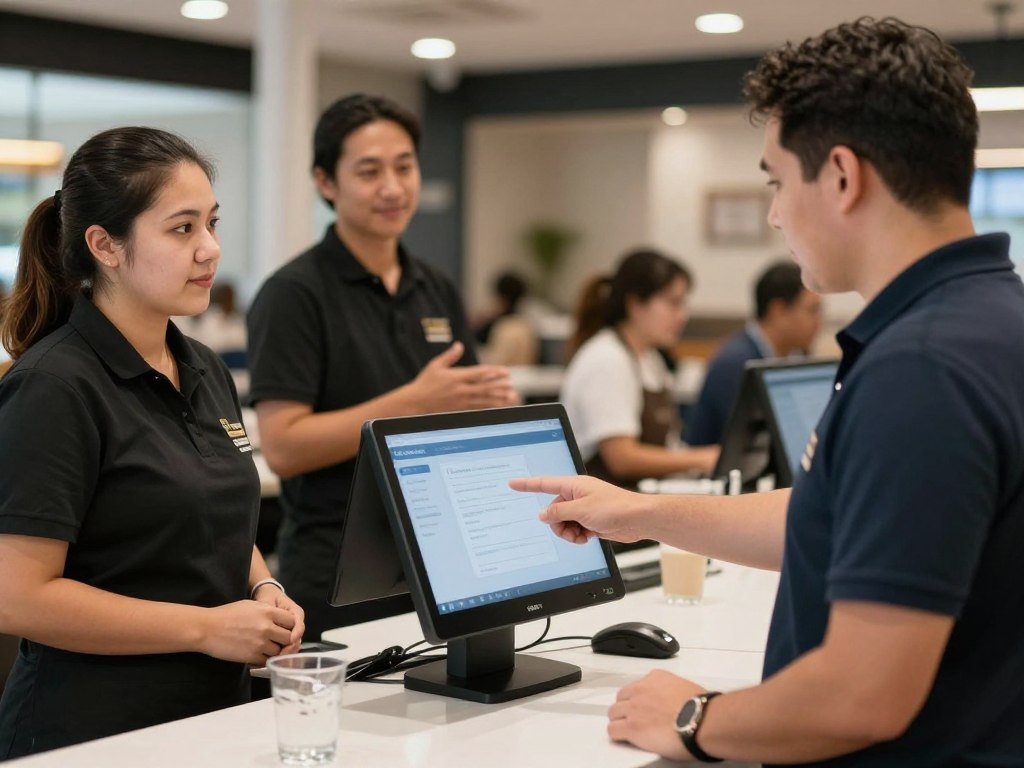
Share your current systems and goals. Hospoware can help you frame the questions before you commit to a platform.
Restaurant CRM and loyalty software FAQs
What is restaurant CRM and loyalty software?
It is software that helps a restaurant organise guest data, manage customer loyalty activity and support targeted marketing. The practical aim is a clearer customer relationship and more useful operational decisions.
Is restaurant loyalty software the same as a loyalty app?
No. An app may be one customer-facing channel. Restaurant loyalty software can also include program rules, customer records, POS processes, campaign tools and reporting. Confirm the exact features offered by each platform.
Why does customer loyalty POS integration matter?
POS integration can reduce manual transaction entry and make earning or redeeming rewards easier to manage. The value depends on the specific integration, data flow and support process.
What guest data should a restaurant collect?
Collect only data that supports a clear business or customer purpose. This may include contact details, consent preferences, visit activity and loyalty status. Review privacy obligations before launching a program.
How long does it take to implement a loyalty program?
Timing depends on the platform, data requirements, POS setup, integrations, staff training and approval process. Ask for a project plan with responsibilities, testing stages and support arrangements.

Make your next loyalty decision with more control
The best restaurant loyalty program is one your customers understand and your team can operate. The best guest CRM is one that turns reliable data into useful action. Start by mapping the customer journey, current systems and business priorities.
Then test the platform against real restaurant work. Review the POS process. Confirm data responsibilities. Ask how support works. This gives you a stronger basis for choosing restaurant CRM and loyalty software that fits your operation.