
The Australian market is undergoing a fundamental shift. Digital tools are no longer optional extras; they are now essential for operational survival. We define this ecosystem as the hardware and software suite that manages the entire guest journey, from the initial search to final feedback.
Operators must adapt to stay competitive. Currently, 73% of guests demand a seamless, friction-free experience across every touchpoint. By integrating your systems, you can meet these high expectations while streamlining your daily workflows.
Navigating these digital solutions can feel overwhelming. However, the goal is to enhance your service without losing the human touch that defines your brand. Understanding the latest hospitality technology trends is the first step toward regaining control of your operations. This guide provides a clear roadmap to help you refine your digital guest experience and drive long-term success.
Key Takeaways
- Digital systems are now critical for business survival in the Australian market.
- A unified ecosystem manages the guest journey from start to finish.
- Most guests now expect a smooth, friction-free experience at every stage.
- Modern tools should support, not replace, your unique brand personality.
- Strategic integration helps you stay ahead of evolving industry standards.
The Strategic Importance of Hospitality Technology
You cannot afford to ignore the strategic shift toward integrated hospitality technology in today’s competitive Australian market. Rising labour costs and thin margins mean that manual, fragmented processes are no longer sustainable. To remain profitable, you must move away from disconnected systems that drain your resources and limit your growth.
Adopting modern hotel tech solutions allows you to regain control over your daily operations. By centralising your data, you transform your business from a reactive entity into a proactive powerhouse. This is where platforms like Hospoware provide a distinct advantage, acting as the digital backbone that connects your front-of-house and back-of-house systems.
An integrated ecosystem does more than just save time; it provides the clarity needed to make high-stakes decisions. When your systems communicate effectively, you eliminate the friction that often plagues venue management. Consider the following benefits of moving to a unified tech stack:
- Enhanced operational efficiency by automating repetitive administrative tasks.
- Real-time data visibility that allows for immediate adjustments to staffing and inventory.
- Improved guest experiences through seamless service delivery across all touchpoints.
- Scalable infrastructure that grows alongside your business requirements.
In a landscape where guest expectations evolve rapidly, relying on gut feeling is a recipe for failure. Data-driven decision-making is the only way to maintain a competitive edge. By leveraging the right hospitality technology, you ensure that every dollar spent contributes directly to your bottom line. Investing in robust hotel tech solutions is not merely an expense; it is a fundamental requirement for long-term survival and success in the Australian hospitality sector.
Core Components of an Integrated Technology Ecosystem
Fragmented systems kill efficiency, but a unified digital architecture restores control over your operations. By deploying a comprehensive restaurant management software, you create a single source of truth that connects every aspect of your venue. This integration eliminates data silos and reduces the manual errors that often plague busy hospitality businesses.
When you explore the tools available at https://hospoware.com/solutions/, you gain access to a suite designed to streamline your daily workflow. These solutions ensure that your front-of-house and back-of-house teams operate in perfect harmony.
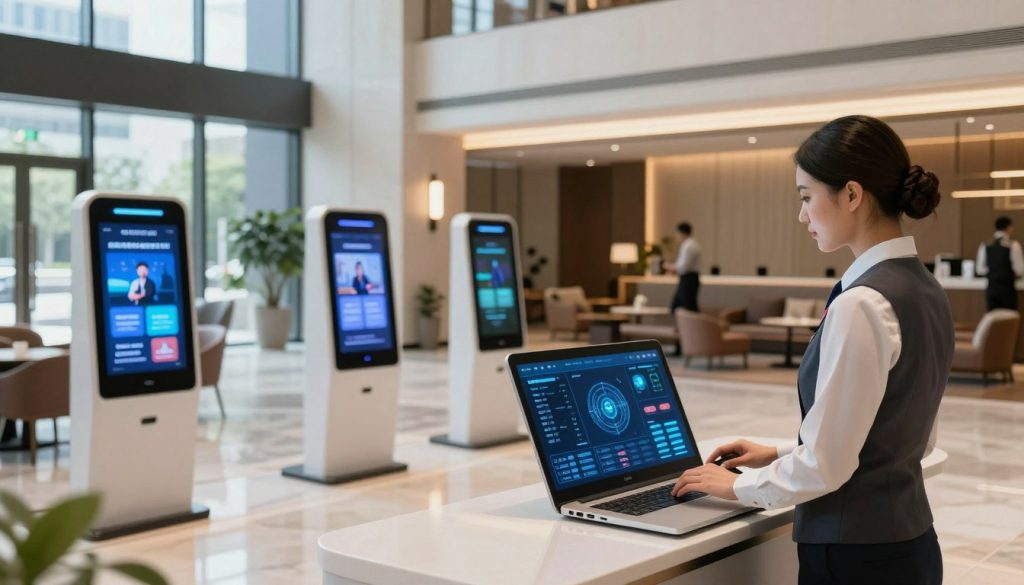
The modern guest expects speed and convenience. By implementing a mobile ordering platform like menumiz™, you allow customers to browse and order directly from their devices. This reduces wait times and frees up your staff to focus on high-value service tasks.
Optimising Reservations and Table Management
A reliable online reservation system is essential for maintaining a steady flow of guests. It helps you manage capacity effectively and prevents the common pitfalls of overbooking. When paired with a robust cloud-based pos system, your team can track table status in real-time to maximise turnover.
Sourcing Supplies via Hospomarket
Managing your supply chain should not be a full-time administrative burden. Hospomarket simplifies the procurement process by connecting you with trusted suppliers in one digital space. This ensures you maintain consistent inventory levels without the headache of manual ordering.
Managing Staffing Needs with Hospoforce
Staffing remains one of the most complex challenges for any venue owner. Hospoforce provides the clarity you need to manage rosters and labour costs efficiently. Combined with contactless payment solutions and the operational oversight provided by Restaurantility, you can finally focus on growing your business rather than fighting daily fires.
Driving Profitability through AI and Data Analytics
Data is the lifeblood of your hospitality business, yet it often sits idle in disconnected systems. Many operators fail to realise that their daily transactions contain the blueprint for future growth. By leveraging AI in the hospitality industry, you can shift from reactive management to proactive strategy.
Modern restaurant management software acts as the central brain for your operation. It processes raw sales figures to reveal hidden patterns in customer behaviour. When you integrate these insights, you gain the power to forecast demand with high accuracy.
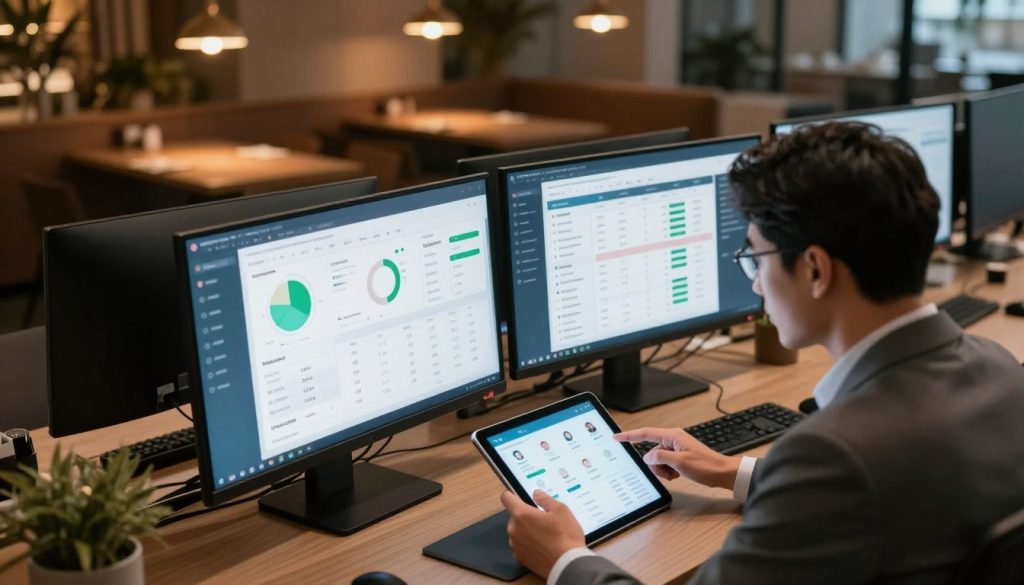
The Hospoware ecosystem excels at turning this noise into clear business intelligence. You can use these advanced reporting features to identify exactly which menu items drive your margins and which ones drain your resources. This level of precision allows for smarter inventory management and reduced waste.
Consider how these tools impact your bottom line:
- Dynamic Pricing: Adjust your rates in real-time based on local demand and historical trends.
- Peak Hour Optimisation: Use data from your cloud-based pos system to schedule staff during high-traffic windows.
- Menu Engineering: Identify underperforming dishes to refine your offerings for better profitability.
- Customer Insights: Leverage data from your mobile ordering platform to personalise guest experiences and increase repeat visits.
Implementing robust hotel tech solutions ensures that your business remains agile in a competitive market. You no longer need to guess when to run promotions or how to adjust your staffing levels. Instead, you make decisions backed by hard evidence.
Efficiency is the ultimate driver of profit in the Australian hospitality sector. By connecting your fragmented systems, you eliminate operational friction and regain control. Start using your data to build a more resilient and profitable business today.
Conclusion
Modern hospitality success relies on your ability to eliminate operational friction through purpose-built technology. You must move beyond manual processes to remain competitive in the Australian market.
By integrating your systems, you empower your staff to focus on delivering exceptional service. Your team spends less time managing administrative tasks and more time engaging with guests. This shift creates a better workplace culture and improves your bottom line.
Audit your current tech stack today. Identify the high-impact areas where you can start your digital transformation. Small changes in your software ecosystem often lead to significant gains in efficiency.
Reach out to our team to see how we can help you regain control. We provide the tools to drive measurable business advantage across your entire operation. Take the next step toward a smarter, more profitable future for your venue.











