
Effective hospitality business management is about aligning your daily operations with a clear vision for the future. We need to move past the grind and start building systems that support sustainable growth. This approach ensures your venue remains profitable despite the current economic landscape.
By refining your internal processes, you regain control over your margins and staff performance. This guide provides the data-backed strategies you need to lead your team with confidence. Let’s look at how you can transform your operation into a resilient, high-performing asset.
Key Takeaways
- Shift your mindset from daily survival to building a long-term, profitable operation.
- Align your operational goals with the realities of the current Australian economic climate.
- Implement robust systems to reduce friction and improve your bottom line.
- Use data-backed strategies to make smarter decisions for your venue.
- Focus on sustainable practices to ensure your business thrives in a competitive market.
The Current Landscape of Hospitality Business Management
Recent years have fundamentally altered how we approach hospitality business management across the country. The stability that once defined our sector has been replaced by a need for constant agility and foresight. To thrive, you must move beyond legacy systems and embrace a more responsive operational mindset.
Navigating Post-Pandemic Market Shifts
The Australian hospitality industry has faced unprecedented volatility that has forced operators to rethink their traditional business models. Supply chain disruptions and fluctuating labour costs have made the old ways of doing business increasingly unsustainable. You are likely finding that margins are tighter and the margin for error is significantly smaller than in previous years.
Successful venues are now prioritising operational resilience over simple volume. By identifying the specific bottlenecks in your supply chain, you can regain control of your venue’s trajectory. This shift requires a move toward leaner, more data-driven decision-making processes that account for ongoing market uncertainty.
Adapting to Changing Consumer Expectations in Australia
Today’s guests demand more than just a meal; they expect a seamless, integrated experience from start to finish. The modern consumer is tech-savvy and values convenience as much as the quality of the product. If your venue fails to meet these digital expectations, you risk losing market share to more agile competitors.
Understanding these macro-trends is essential for any operator looking to maintain a competitive edge. You must focus on personalising guest interactions while maintaining the efficiency of your front-of-house operations. By aligning your service delivery with these evolving preferences, you ensure that your business remains relevant in a crowded and demanding marketplace.
Financial Resilience and Profitability
You cannot manage what you do not measure, and in today’s market, your financial health depends on rigorous operational discipline. Achieving long-term success requires a shift from reactive management to proactive financial oversight. By focusing on the metrics that drive your bottom line, you can build a business that withstands economic volatility.
Mastering Prime Cost Control
Effective prime cost control remains the most significant lever for protecting your margins. You must balance food, beverage, and labour costs against fluctuating market prices to maintain a healthy profit. This requires a disciplined approach to inventory management and vendor negotiations.

Regularly auditing your cost of goods sold ensures that waste does not erode your earnings. When you keep a tight grip on these variables, you create the necessary buffer to handle unexpected spikes in operational expenses. Consistency in tracking these figures is what separates thriving venues from those struggling to break even.
Diversifying Revenue Streams for Stability
Relying on a single source of income is a risk that many operators can no longer afford. To ensure your financial and operational resilience, you should explore secondary revenue channels. This might include retail product lines, event hosting, or subscription-based dining experiences.
Diversification provides a safety net when traditional foot traffic dips. It allows your business to remain relevant across different times of the day and week. By spreading your risk, you stabilise cash flow and reduce dependency on peak-hour performance alone.
Implementing Dynamic Pricing Models
Modern technology allows you to adjust your rates based on real-time demand. Dynamic pricing is a powerful tool to maximise revenue during your busiest periods without alienating your core customer base. By using data to inform your menu or service costs, you capture the true value of your offerings.
Successful implementation of dynamic pricing requires transparency and strategic timing. When executed correctly, it ensures that your venue remains profitable in a high-cost environment. This operational rigour is essential for any operator looking to scale sustainably in the Australian market.
Optimising Labour Management in the Australian Market
Managing your workforce effectively is the backbone of any successful venue in the Australian hospitality industry. Labour represents your most significant variable cost, and how you handle it directly impacts your bottom line. Moving beyond basic scheduling allows you to build a team that is both motivated and highly efficient.
Addressing Staff Shortages Through Retention
High turnover is a silent profit killer that disrupts service consistency and drains your resources. Prioritising staff retention is far more cost-effective than the constant cycle of recruiting and training new employees. You must foster a workplace culture where team members feel valued and supported.
Offering clear career progression and consistent feedback loops helps keep your best talent engaged. When staff feel invested in the business, they provide better service, which directly improves the guest experience. A stable team is the foundation of a sustainable operation.
Navigating Fair Work Australia Compliance
Operating within the legal framework is non-negotiable for any venue owner. Staying updated with Fair Work Australia regulations protects your business from costly penalties and reputational damage. You need to ensure that your payroll systems accurately reflect current awards and legislative requirements.
Complexity in modern awards often leads to accidental underpayments or administrative errors. Using integrated management software can help you maintain strict compliance while reducing manual data entry. Proactive compliance gives you the peace of mind to focus on growth rather than legal risks.
Strategies for Effective Rostering and Productivity
Effective rostering is about more than just filling gaps in the schedule. It requires a deep understanding of your peak trading times and labour budget constraints. By aligning your roster with real-time sales data, you can maximise productivity without overstaffing.
Encourage open communication with your staff regarding their availability and preferences. This balance helps reduce absenteeism and improves overall team morale. When your roster is both fair and data-driven, you create a more predictable and profitable environment for your venue.
Leveraging Technology for Operational Efficiency
Modern hospitality demands a digital ecosystem that works as hard as your front-of-house team. True operational efficiency is not about adding more software, but about ensuring your existing tools communicate seamlessly. By removing friction, you allow your staff to focus on the guest experience rather than troubleshooting hardware.
Integrating Modern Point of Sale Systems
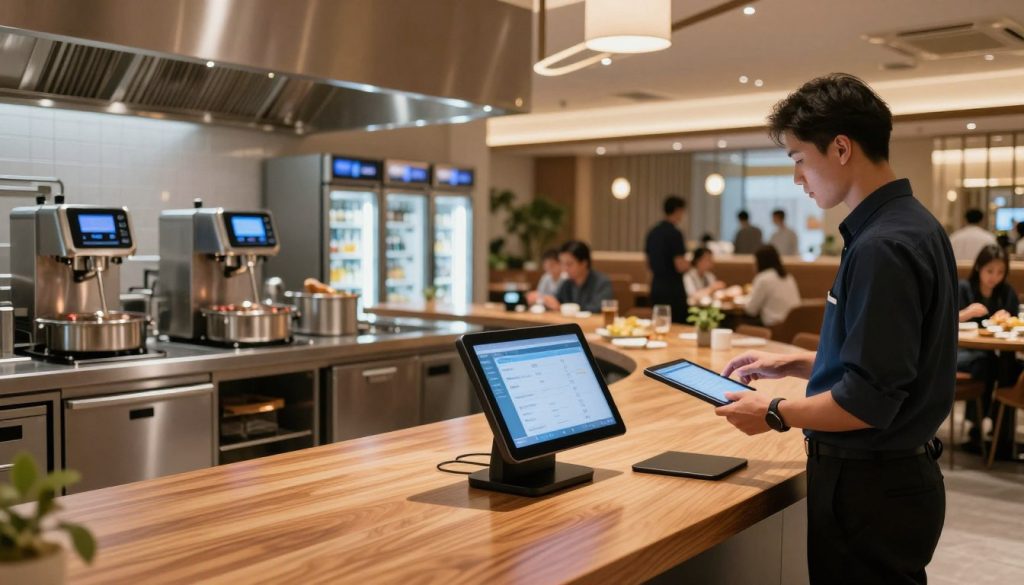
Your point of sale (POS) system serves as the central nervous system of your venue. A modern, cloud-based POS does more than process payments; it acts as the foundation for your entire restaurant technology stack. When integrated correctly, it captures every transaction in real-time, providing a clear view of your daily performance.
Avoid systems that operate in silos. You need a platform that syncs effortlessly with your accounting software, kitchen display systems, and reservation platforms. This connectivity eliminates manual data entry and reduces the risk of human error across your business.
Utilising Data Analytics for Informed Decision Making
Raw data is useless without the ability to interpret it for growth. By leveraging data-driven decisions, you can identify which menu items are actually driving profit and which are merely occupying space. This clarity allows you to adjust your pricing and staffing levels based on actual demand rather than guesswork.
Look for dashboards that offer actionable insights into peak trading hours and average spend per head. These metrics are essential for scaling your operations effectively. When you understand your numbers, you gain the confidence to make strategic pivots that protect your margins.
Automating Inventory and Supply Chain Management
Manual stocktakes are a significant drain on time and a frequent source of hidden waste. Implementing automated inventory management allows you to track ingredient usage against sales in real-time. This level of oversight ensures that your supply chain remains lean and responsive to market fluctuations.
Automated alerts for low stock levels prevent last-minute rushes and reduce the need for emergency orders. By connecting your inventory directly to your POS, you can maintain tighter control over your food costs. This simple shift in process directly improves your bottom line and ensures long-term sustainability.
Enhancing Customer Experience to Drive Loyalty
In the modern Australian hospitality market, your digital footprint is often the first handshake a guest receives. While the quality of your menu remains paramount, the way you manage your brand’s narrative determines whether a visitor becomes a regular. Consistent, high-quality service delivery is the bedrock of long-term success.
Personalising Guest Interactions
True customer loyalty is earned through recognition and tailored experiences. When you acknowledge a returning guest by name or remember their preferred table, you shift the relationship from transactional to personal. This level of care creates a sense of belonging that keeps patrons coming back.
Empower your front-of-house team to capture guest preferences within your CRM. Small details, such as noting a birthday or a specific dietary requirement, demonstrate that you value the individual. These intentional interactions differentiate your venue in a crowded market.
Building a Strong Digital Presence and Reputation
Your digital presence acts as a 24/7 storefront for your business. Potential guests will almost certainly check your social media profiles and website before booking a table. A polished, active online identity signals professionalism and reliability to your audience.
Ensure your branding is cohesive across all platforms, from your booking portal to your Instagram feed. High-quality imagery and up-to-date information are essential to capture interest. A strong online image builds trust before the guest even arrives.
Managing Online Reviews and Feedback Loops
Online reviews provide a direct line into the mind of your customer. Rather than viewing feedback as a chore, treat it as a vital operational tool. Turning reviews into actionable insights allows you to refine your service and address pain points immediately.
Respond to both positive and negative feedback with speed and transparency. A thoughtful reply shows that you are listening and committed to improvement. By closing the loop on guest concerns, you demonstrate accountability and strengthen your reputation within the local community.
Sustainable Sourcing and Waste Reduction
You can significantly improve your profit margins by rethinking how you source ingredients and manage waste. Sustainability is no longer just a marketing angle; it is a core component of efficient resource management. By prioritising local sourcing, you gain better control over your supply chain while delivering superior quality to your guests.
Partnering with Local Australian Producers
Building direct relationships with regional farmers and suppliers shortens your supply chain significantly. This proximity ensures that your ingredients arrive fresher and with a smaller carbon footprint. Local sourcing allows you to adapt your menu based on seasonal availability, which keeps your offerings exciting and relevant.
Reducing Food Waste to Improve Bottom Lines
Every kilogram of food thrown away represents a direct loss of profit. Implementing a rigorous waste reduction strategy starts with tracking inventory and monitoring plate waste. When you identify exactly where your losses occur, you can adjust your procurement orders to match actual demand.
Reducing excess stock lowers your overall procurement costs and frees up capital for other areas of your business. Consistent waste reduction efforts transform your kitchen into a leaner, more profitable operation. This disciplined approach to inventory management is a hallmark of successful, modern hospitality venues.
Adopting Eco-Friendly Packaging and Energy Practices
Modern consumers increasingly choose venues that align with their personal values regarding the environment. Transitioning to compostable or recyclable packaging is a simple way to demonstrate your commitment to sustainability. These small changes resonate deeply with your customer base and build long-term brand loyalty.
Beyond packaging, auditing your energy usage provides another layer of operational efficiency. Simple upgrades, such as motion-sensor lighting or energy-efficient refrigeration, lead to measurable savings on your utility bills. By focusing on these practical steps, you ensure your business remains both environmentally responsible and financially robust.
Marketing Strategies for Long-Term Brand Growth
Achieving sustainable growth requires you to move beyond simple transactional marketing. You must shift your focus toward building a brand identity that resonates deeply with your local Australian audience.
A well-defined strategy ensures your venue remains relevant in a crowded market. It transforms your business from a place people visit once into a destination they return to consistently.
Developing a Unique Value Proposition
Your value proposition is the core reason guests choose your venue over the competition. It must clearly articulate what makes your offering distinct, whether that is your commitment to local produce or a specific service style.
Do not try to be everything to everyone. Instead, identify the specific needs of your target demographic and tailor your messaging to address those pain points directly.
Utilising Social Media for Community Engagement
Social media should function as a bridge to your community rather than a digital billboard for advertisements. Use these platforms to share the story behind your ingredients or introduce the team members who make your service special.
Authentic engagement creates a sense of belonging among your followers. When you respond to comments and share user-generated content, you turn passive observers into active brand advocates.
Building Loyalty Programs that Retain Customers
True customer loyalty is built on providing measurable value that rewards repeat visits. A successful program should be simple to understand and easy for your staff to manage within your existing point of sale system.
Avoid complex point systems that frustrate guests. Focus on exclusive benefits or tiered rewards that make your most frequent visitors feel genuinely appreciated.
By tracking data through these programs, you gain insights into guest preferences. This allows you to refine your offerings and ensure your business continues to thrive through long-term customer loyalty and sustainable growth.
Conclusion
Sustainable growth in the Australian hospitality sector demands a blend of financial discipline, smart technology, and a sharp focus on guest needs. You hold the power to shift your business from a state of constant reaction to one of proactive control.
Mastering these operational pillars creates a foundation for long-term success. You should implement these strategies systematically to ensure your venue remains both resilient and profitable in a competitive market.
Success in this industry relies on the consistent application of core management principles. Take the lead by refining your internal processes today. Your commitment to operational excellence will define your brand’s longevity and impact.
What is the first change you will make to your daily operations this week? Share your goals with your management team to align your vision. Start building a stronger, more efficient business right now.











