
These purpose-built platforms replace outdated, paper-based processes that slow your team down. By moving to a digital environment, you gain full control over your guest experience and administrative tasks.
Adopting the right hospitality technology allows you to transition from manual burdens to streamlined, data-driven workflows. It is about making smarter decisions that improve your bottom line.
When you integrate these systems, you create a measurable business advantage. You stop guessing and start leading with operational clarity. This guide explores how these tools transform your venue into a high-performing asset.
Key Takeaways
- Modern systems act as the core engine for your venue’s daily operations.
- Moving away from paper processes reduces human error and saves valuable time.
- Integrated platforms provide the data needed to make informed business decisions.
- Purpose-built tools are designed to enhance the overall guest experience.
- Investing in the right tech stack creates a distinct competitive edge in the Australian market.
Understanding the Role of Hospitality Software in Modern Venues
Managing a venue in today’s market requires more than just great service; it demands a robust digital backbone. As the industry evolves, the gap between thriving businesses and those struggling to keep up often comes down to their tech stack. Hospitality software acts as the central nervous system for your operations, connecting every moving part of your business.
The Evolution of Digital Transformation in Australian Hospitality
The Australian landscape has shifted rapidly from fragmented, manual processes to integrated digital ecosystems. Many operators previously relied on paper logs or disconnected spreadsheets, which created significant bottlenecks. Today, digital transformation is the standard for venues aiming to scale effectively.
By adopting cloud technology, businesses can now access critical data from anywhere. This transition allows owners to move away from reactive management and toward a proactive, data-driven approach. It is no longer about working harder; it is about working smarter through connected systems.
Core Functions of Modern Hospitality Systems
Modern systems do more than just record transactions. They provide a unified view of your entire business, from inventory levels to staff scheduling. This level of venue management ensures that your front-of-house and back-of-house teams are always on the same page.
Operational Efficiency and Automation
Manual management is a primary cause of booking errors and time-consuming administrative updates. By implementing automation, you eliminate the human error that often plagues traditional reservation systems. This shift directly improves your operational efficiency, allowing your staff to focus on the guest rather than the screen.
Enhancing the Guest Experience Through Technology
Your guests expect seamless interactions, whether they are booking a table or checking out. When your pricing, availability, and reservation data remain synchronized in real time, you avoid the frustration of double bookings or incorrect information. Leveraging advanced hospitality software ensures that every touchpoint is smooth, professional, and reliable.
Building a Connected Ecosystem with Hospoware
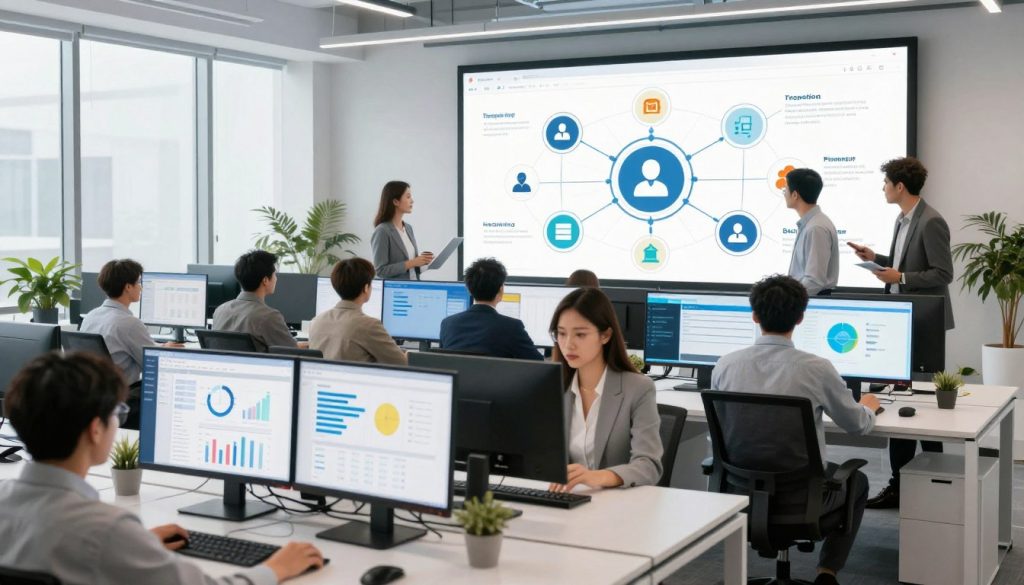
Operational friction disappears when your core business systems finally speak the same language. By leveraging cloud technology, Hospoware acts as the central nervous system for your venue. It transforms your business from a collection of fragmented tasks into a set of connected business systems that drive operational efficiency.
Integrating POS, Workforce Management, and Procurement
You no longer need to manually reconcile data between your POS, workforce management, and procurement platforms. These tools now sync automatically to ensure your inventory levels are always accurate. For instance, integrated systems like PMS and channel managers sync inventory in under two seconds to prevent overbooking.
This level of seamless integration removes the human error often found in manual data entry. You gain a clear view of your supply chain and staff costs in one place. This allows you to focus on the guest experience rather than fixing technical glitches.
Leveraging Data Analytics for Smarter Business Decisions
Data is only useful if you can act on it immediately. Modern platforms turn raw numbers into actionable insights that guide your daily strategy. You can now move away from guesswork and rely on hard evidence to manage your venue.
The Power of Real-Time Reporting
Real-time reporting gives you an instant snapshot of your venue’s performance at any hour. You can track sales trends, monitor stock levels, and review staff performance as events unfold. This visibility is essential for making quick adjustments during a busy service.
Using AI to Predict Demand and Labour Requirements
AI takes your planning to the next level by forecasting future needs based on historical patterns. It predicts busy periods and suggests optimal staffing levels to avoid over-hiring or under-serving. By using automation to handle these calculations, you ensure your labour costs remain aligned with actual revenue.
Streamlining Marketing and Customer Loyalty
When your systems are connected, you regain full control over your guest data. This allows you to create targeted campaigns that actually resonate with your regulars. Building customer loyalty becomes a data-driven process rather than a guessing game.
You can identify your most valuable guests and reward them with personalized offers. This creates a cycle of repeat business that strengthens your bottom line. Personalisation is the key to standing out in a crowded market.
Next Steps for Your Business
Start by auditing your current tech stack to identify where the biggest gaps exist. Look for platforms that offer open APIs to ensure future growth and flexibility. Your goal is to build a foundation that supports your vision for the long term.
Take the time to train your team on these new tools to ensure full adoption. A connected ecosystem is only as strong as the people using it. Start your transition today to secure a more profitable future for your venue.
Conclusion
Adopting a connected technology ecosystem is no longer optional for Australian operators aiming for sustainable business growth. You must move beyond fragmented tools to gain full control over your margins and staff performance.
By centralising your operations through platforms like Hospoware, you eliminate manual inefficiencies. This shift allows you to focus on delivering exceptional guest experiences while your systems handle the heavy lifting. You can explore Restaurantility to see how expert guidance turns strategy into measurable results.
We encourage you to continue your learning journey by exploring the Complete Guide to Hospitality Technology at https://hospoware.com/hospitality-tech-guide/. Mastering these tools is the most reliable path to long-term success in a competitive market.
Taking these steps today ensures your venue remains resilient and profitable. You will be ready for future market demands while your competitors struggle with outdated manual processes. Invest in the right hospitality technology now to protect your bottom line.











