
Running a successful hospitality business in Australia requires more than just great service. You need systems that work as hard as you do. Many restaurant owners and café owners struggle with fragmented tools that create unnecessary operational friction.
This guide cuts through the noise. We show you how to streamline your daily workflow and regain control of your margins. By leveraging the Hospoware ecosystem, you can finally connect your digital tools into one unified platform.
Whether you are managing a busy pub or a boutique hotel, the right setup makes a measurable difference. We invite venue operators and hotel managers to explore these insights to drive better results. It is time to stop managing software and start growing your bottom line with modern hospitality technology.
Key Takeaways
- Connect your fragmented systems to reduce daily operational friction.
- Use the Hospoware ecosystem to gain a clear business advantage.
- Streamline workflows for better efficiency across your entire venue.
- Make data-driven decisions to improve your bottom line.
- Simplify management tasks for restaurant and café owners.
The Role of Hospitality Technology in Modern Australian Venues
Digital tools are fundamentally rewriting the rules of engagement for every café, bar, and restaurant across Australia. To thrive in this fast-paced environment, you must move beyond legacy systems and embrace a more integrated approach. Modern hospitality technology acts as the central nervous system for your business, connecting disparate processes into one cohesive workflow.
Driving Operational Efficiency Through Digital Transformation
True digital transformation is about removing friction from your daily routine. By implementing robust hospitality software, you can automate repetitive manual tasks that drain your team’s energy. This shift allows you to reduce labour costs by 20% while maintaining high service standards.
Adopting cloud technology ensures that your operations remain agile and accessible from anywhere. When your systems communicate in real-time, you eliminate the bottlenecks that typically slow down service. This level of operational efficiency is what separates market leaders from those struggling to keep up.
Enhancing Guest Experiences with Personalised Service
The way customers find your venue has changed significantly. With AI search now prioritising a handful of high-quality results, your digital presence must be sharper than ever. Providing a seamless guest experience starts with understanding exactly what your patrons need before they even walk through the door.
Modern platforms allow you to capture preferences and tailor interactions to individual guests. By leveraging data-driven decision making, you can create loyalty programs that actually resonate. When you personalise the journey, you turn casual visitors into long-term advocates for your brand.
Boosting Profitability and Data-Driven Decision Making
Profitability is rarely an accident; it is the result of precise, informed management. By utilising advanced hospitality software, you gain access to real-time analytics that highlight exactly where your money is going. This visibility is essential for maintaining healthy margins in a volatile economy.
Effective data-driven decision making allows you to adjust your menu, staffing levels, and inventory based on hard evidence rather than guesswork. When you combine cloud technology with actionable insights, you regain control over your bottom line. Ultimately, investing in the right tools is the most reliable way to ensure long-term profitability and sustainable growth.
Core Components of a Connected Hospitality Technology Ecosystem
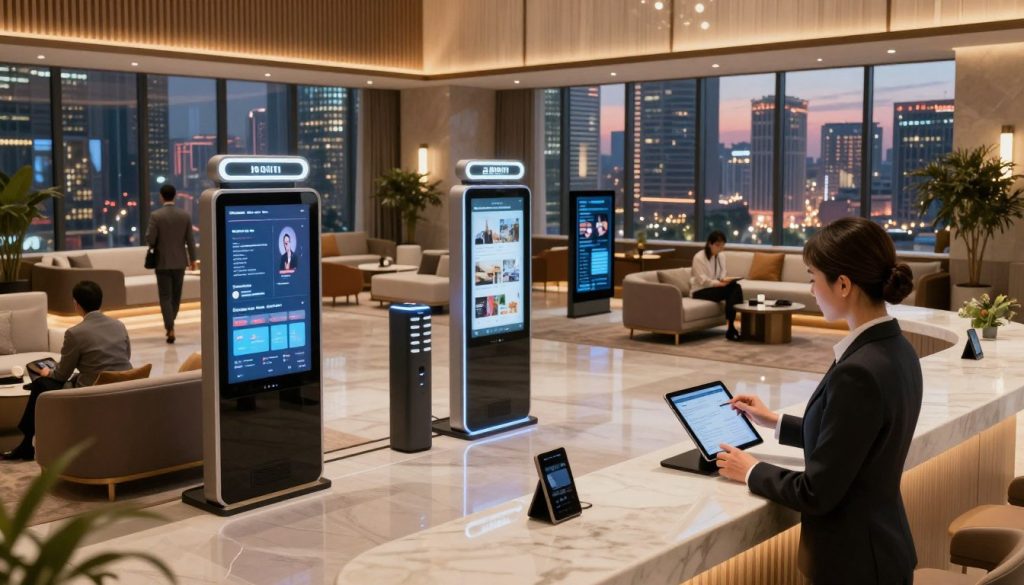
Fragmented software tools often create invisible barriers that slow down your daily operations. When your systems operate in silos, you lose valuable time manually transferring data between platforms. A truly connected hospitality technology ecosystem ensures that information flows exactly where it needs to go without human intervention.
Integrating POS Systems with Workforce Management
Your POS systems serve as the heartbeat of your venue, capturing every transaction in real-time. By linking this data directly to your workforce management software, you gain the ability to align staffing levels with actual sales patterns. This integration allows you to schedule staff based on peak trading hours rather than guesswork.
Precision scheduling reduces unnecessary labour costs while ensuring your team is always ready for the rush. When your front-of-house data informs your roster, you eliminate the common disconnect between revenue and payroll expenses.
Streamlining Procurement and Inventory Control
Effective inventory control is the difference between a profitable menu and one that bleeds cash. When your procurement process is integrated with your sales data, you can automate stock reordering based on actual consumption. This level of operational efficiency prevents over-ordering and reduces the risk of spoilage.
By digitising your procurement workflow, you maintain a clear view of your margins at all times. You no longer need to rely on manual spreadsheets to track what is sitting in your cool room. Instead, you receive automated alerts when stock levels drop, keeping your supply chain lean and responsive.
Leveraging Marketing Automation for Customer Retention
Your POS data is a goldmine for understanding what your guests prefer. By using marketing automation, you can turn this raw data into targeted campaigns that drive repeat visits. Sending a personalised offer to a regular guest based on their favourite dish is a powerful way to boost customer retention.
These automated touchpoints keep your venue top-of-mind without requiring constant manual effort from your management team. Consistency is key when building long-term loyalty in a competitive market.
The Hospoware Approach to Unified Business Systems
The Hospoware approach focuses on connecting these fragmented tools into a single, cohesive workflow. We believe that operators should spend less time managing software and more time focusing on the guest experience. By creating end-to-end visibility, we help you reduce friction across every department.
Our unified systems ensure that your data works for you, not against you. When your technology stack communicates effectively, you regain control over your business performance and long-term growth.
Conclusion
The future of the hospitality business relies on your ability to integrate systems that support your team and your bottom line. Modern operators must view digital tools as essential infrastructure rather than optional upgrades.
Adopting the Hospoware ecosystem allows you to streamline complex operations. This shift lets you focus on delivering exceptional service to every guest. You can gain a deeper understanding of these management techniques by exploring a hospitality degree from Les Roches to sharpen your professional edge.
Selecting the right hospitality software remains a critical step for long-term success. These platforms provide the visibility needed to track performance in real time. You will find that data-driven insights directly influence your overall profitability.
We invite you to continue your research by exploring the full Complete Guide to Hospitality Technology. Implementing these strategies will ensure your venue remains resilient in a competitive market. Take control of your digital transformation today to secure a stronger tomorrow.











