
In the fast-paced Australian hospitality sector, standing out requires more than just great food. It demands operational precision and the ability to adapt quickly to changing guest preferences. Effective menu customization is no longer a luxury; it is a strategic necessity for operators aiming to secure a competitive edge.
Fragmented systems often create friction, slowing down your team and clouding your decision-making. Hospoware provides a comprehensive technology ecosystem designed to bridge these gaps. By connecting your operations, staffing, and procurement, we help you regain control of your venue.
Integrating tailored menu solutions allows you to streamline workflows while enhancing the overall guest experience. Whether you are managing a boutique café or a large-scale venue, our tools ensure your business runs smoothly. For those managing accommodation alongside dining, our hotel PMS integration offers the robust control needed to unify your digital infrastructure.
Key Takeaways
- Strategic planning through smart digital tools provides a clear competitive advantage in the Australian market.
- Hospoware acts as a unified ecosystem to eliminate operational friction across your entire venue.
- Tailored menu solutions allow for rapid adaptation to shifting consumer trends and local demand.
- Connecting fragmented systems improves staff efficiency and reduces manual administrative burdens.
- Modern technology empowers owners to make data-driven decisions that directly impact the bottom line.
Understanding Menu Customization Benefits
Strategic menu customization transforms how your venue performs in a competitive market. By moving away from static offerings, you gain the ability to pivot based on real-time demand. This agility is essential for any Australian operator looking to stay ahead.
Enhanced Customer Satisfaction
Guests today expect a dining experience that feels tailored to their specific tastes. Offering personalized menu options allows you to meet these expectations directly. When patrons feel their preferences are understood, their overall satisfaction increases significantly.
Technology plays a vital role in this process. By using connected systems, you can track what your guests enjoy most. This insight helps you refine your menu to ensure every visit feels unique and thoughtful.
Increased Profit Margins
Profitability is rarely an accident; it is the result of precise data analysis. The MenuMaster PMS provides over 140 automated daily, weekly, and monthly reports. These cover everything from sales and inventory to tax obligations.
Access to this level of detail allows you to identify high-margin items and remove underperforming dishes. You can make proactive decisions that protect your margins. Data-driven menu customization ensures that your kitchen resources are always focused on the most profitable outcomes.
Encouraging Repeat Business
Consistency and relevance are the keys to building long-term brand loyalty. When you use data to refine your offerings, you create a seamless guest experience that keeps people coming back. Guests appreciate a venue that evolves to meet their changing needs.
By leveraging technology to maintain high standards, you turn one-time visitors into regulars. This cycle of improvement is the foundation of a sustainable hospitality business. It builds a strong reputation that stands out in a crowded marketplace.
Essential Elements of Customizing Menus
Your menu is the primary interface between your kitchen and your customers. In a fast-paced Australian hospitality environment, the ability to pivot your offerings based on supply chain realities is vital. By embracing digital menu customization, you remove the friction of traditional printing and gain the agility to update your dishes instantly.
Balancing Seasonal Ingredients
Effective procurement starts with a menu that respects the natural harvest cycle. When you align your offerings with seasonal availability, you reduce food waste and improve your margins. Digital tools allow you to swap out ingredients as market prices fluctuate, ensuring your kitchen remains profitable without sacrificing quality.
This proactive approach to inventory management keeps your kitchen operations lean. You can highlight fresh, local produce that is currently at its peak. This not only appeals to discerning diners but also simplifies your supply chain logistics significantly.
Catering to Dietary Preferences
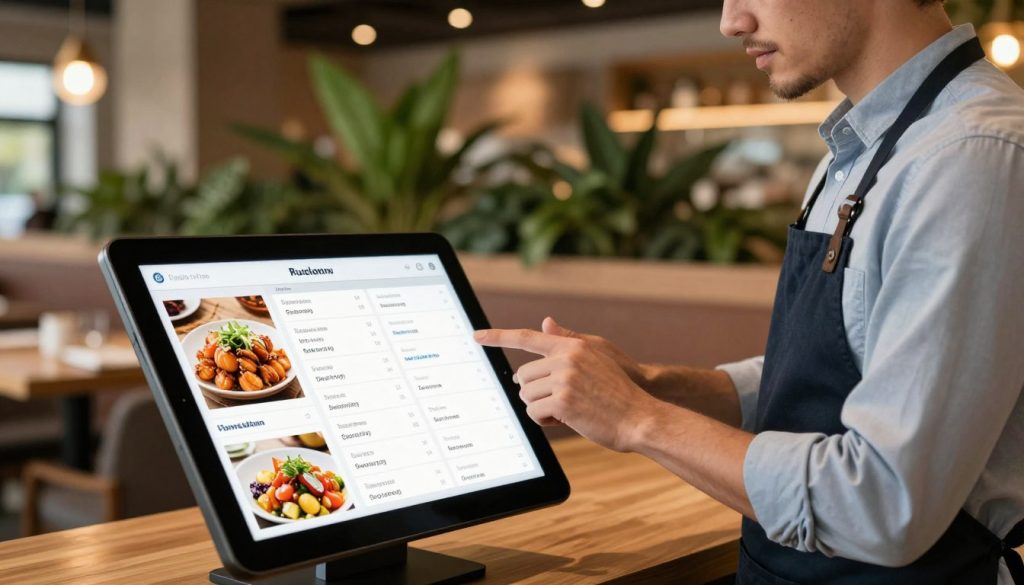
Modern diners expect transparency and inclusivity regarding their dietary needs. Whether you are managing gluten-free, vegan, or allergen-aware options, your menu must communicate these choices clearly. Digital platforms make it simple to tag items, helping guests make informed decisions quickly.
Providing clear information builds trust and encourages repeat visits from diverse groups. When you use technology to manage these details, you reduce the burden on your front-of-house staff. They spend less time explaining ingredients and more time delivering exceptional service.
Designing for Aesthetic Appeal
The visual presentation of your offerings influences how guests perceive value and quality. A thoughtful menu layout design guides the customer journey, highlighting high-margin items and seasonal specials. A clean, intuitive interface ensures that the ordering process remains seamless and frustration-free.
Digital transformation supports your business growth by allowing you to test different layouts and pricing strategies in real-time. By monitoring how guests interact with your digital menu, you can refine your presentation to boost engagement. This data-driven approach ensures your venue remains responsive to evolving market trends.
Implementing Menu Customization Strategies
Transforming your menu requires more than just creativity; it demands a strategic approach to operational efficiency. By adopting a structured framework, you can align your offerings with guest expectations while maintaining tight control over your margins.
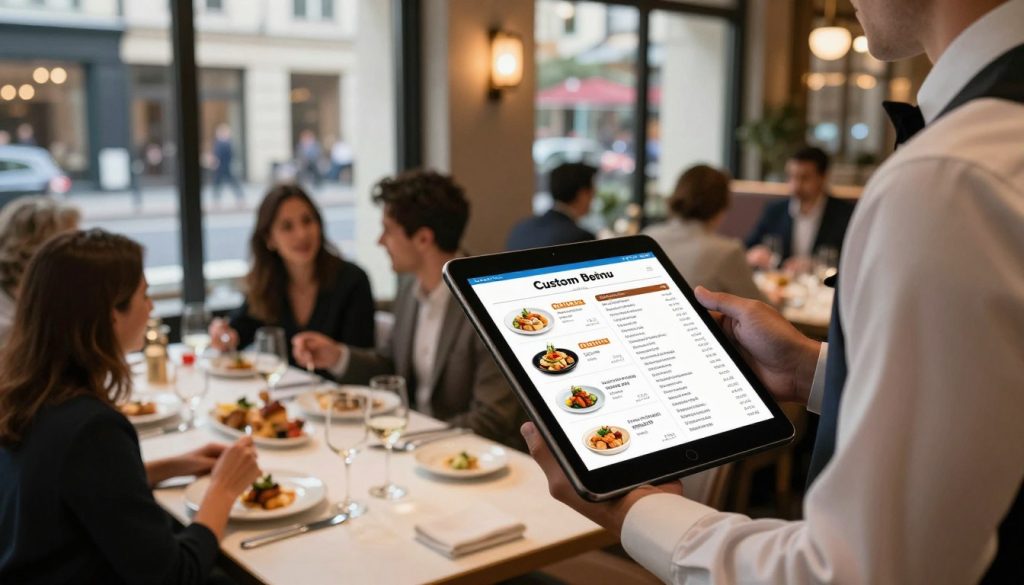
Effective custom menu integration allows you to streamline workflows across your entire venue. This technology reduces labour pressure by automating repetitive tasks, letting your team focus on high-value guest interactions.
Conducting Market Research
Before making changes, you must understand the local landscape. Analyse your competitors and identify gaps in the current market to ensure your menu remains relevant.
Use your point-of-sale data to see which items perform best during specific times. This objective approach ensures that every menu adjustment is backed by solid evidence rather than guesswork.
Leveraging Customer Feedback
Direct input from your guests is an invaluable asset for refinement. Whether through digital surveys or face-to-face conversations, capturing this data helps you tailor your offerings to local tastes.
When you use menu configuration services, you can quickly pivot based on what your customers actually want. This agility keeps your venue ahead of the curve and fosters long-term loyalty.
Training Staff for Effective Upselling
Your front-of-house team is your most powerful sales tool. Providing them with the right technology makes upselling a natural part of the service process rather than a forced interaction.
Robust role-based user permissions ensure that staff have access only to the tools they need. This prevents unauthorised discounts or data manipulation while empowering them to suggest premium items with confidence.
By utilising professional menu configuration services, you maintain operational consistency. This level of control ensures that your team delivers high-quality service, even during the busiest peak hours.
Measuring the Impact of Menu Changes
Data drives sustainable growth in the competitive Australian hospitality landscape. You must evaluate your performance metrics to ensure every adjustment delivers a measurable return on investment.
Tracking Sales Performance
Effective menu personalization tools provide the granular insights required to monitor contribution margins and item popularity. By reviewing these figures quarterly, you identify which dishes drive profit and which items require refinement.
Gathering Customer Feedback
Direct input from your patrons remains the most reliable indicator of success. Use digital platforms to capture sentiment regarding new offerings. This qualitative data complements your hard sales numbers, allowing for precise adjustments to your bespoke menu creation process.
Adjusting Based on Seasonal Trends
Your business ecosystem must scale alongside your evolving requirements. From the offline-capable MenuMaster HomeTec to the cloud-powered MenuMaster ProTec, our software ecosystem supports your operational goals. These integrated solutions allow you to pivot quickly when seasonal shifts demand new ingredient sourcing or pricing strategies. Consistent monitoring ensures your menu remains a dynamic asset that boosts your bottom line throughout the year.











