
Running a successful venue in Australia requires more than just great food and service. You need total control over your back-of-house operations to stay profitable. Relying on manual spreadsheets often leads to costly errors and wasted time.
Effective inventory management is the backbone of a thriving business. When your systems are fragmented, you lose visibility into your true costs. This is where Hospoware changes the game. We provide a complete technology ecosystem that connects your staffing, marketing, and procurement into one unified flow.
By integrating your daily tasks, you eliminate the friction that slows down your team. Our hospitality procurement platform simplifies how you source supplies, ensuring you never run out of essentials. Moving beyond outdated methods allows you to focus on what matters most: the guest experience. Mastering your stock management is the first step toward regaining control and driving measurable growth in your venue.
Key Takeaways
- Manual processes create operational friction that hurts your bottom line.
- Integrated technology ecosystems connect fragmented systems like staffing and procurement.
- Centralising your data provides the visibility needed for better decision-making.
- Automated procurement tools ensure you never run out of critical supplies.
- Focusing on operational efficiency directly improves the overall guest experience.
Understanding Inventory Management Essentials
In the fast-paced Australian hospitality market, inventory management is the backbone of a profitable operation. It is the systematic process of overseeing your goods, from raw ingredients in the cool room to guest amenities in your hotel rooms. Without a clear strategy, you risk losing money through waste, theft, or poor purchasing decisions.
Definition and Importance of Inventory Management
At its core, inventory management is about maintaining the right balance of stock to meet demand without over-investing capital. It is not merely about counting items on a shelf; it is about protecting your margins and ensuring consistent service delivery. When you master this, you gain the operational clarity needed to scale your business effectively.
The financial impact of these practices is significant. Data shows that performing weekly inventory checks in food and beverage service can improve profits by up to 10% while drastically reducing waste. By staying on top of your stock management, you transform your back-of-house from a cost centre into a strategic asset.
Key Components of an Inventory Management System
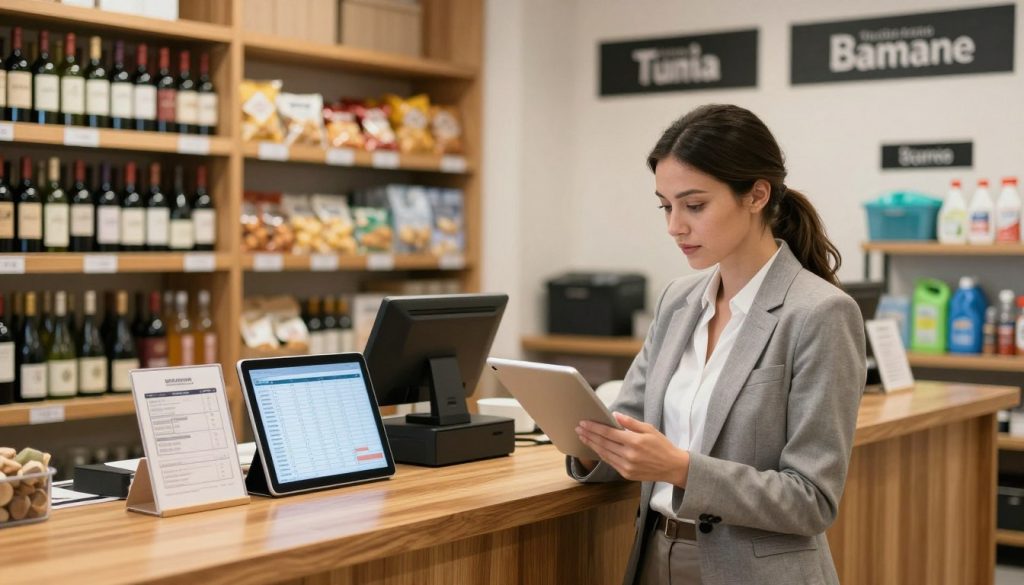
A robust relies on several moving parts working in harmony. You need reliable to monitor stock levels in real-time, ensuring you never run out of high-demand items during a busy shift. This visibility is essential for reducing the complexity of daily venue operations.
Modern acts as the central nervous system for your business. It connects your purchasing, usage, and sales data into one dashboard. By leveraging professional , you can automate reordering and gain deeper insights into your cost of goods sold.
Effective requires a commitment to accuracy and consistency. When you integrate these tools, you eliminate the friction that often plagues hospitality workflows. This level of precision allows you to focus on what matters most: delivering an exceptional experience to your guests.
Best Practices for Effective Inventory Management
Achieving operational excellence requires a disciplined approach to your daily inventory control. By moving away from manual spreadsheets, you can significantly reduce labour pressure and human error. Modern digital solutions allow your team to focus on guest experiences rather than repetitive counting tasks.
Implementing Inventory Tracking Tools
Adopting a robust inventory system is the first step toward reclaiming your time. These tools automate the data entry process, providing real-time visibility into your stock levels. When you integrate digital inventory tracking, you streamline workflows across your entire venue.
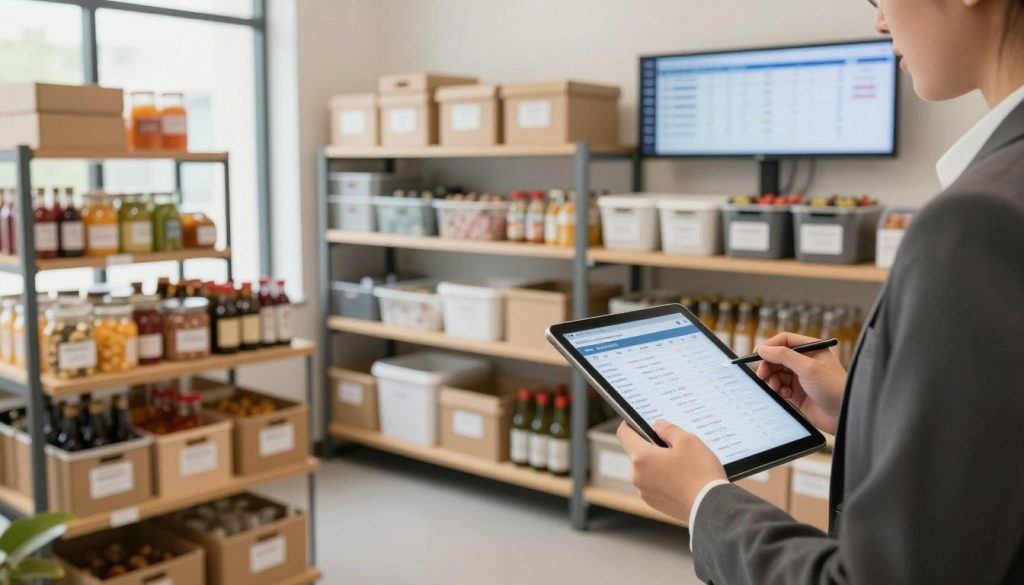
This shift allows managers to make data-driven decisions regarding their supply chain. You gain the ability to monitor usage patterns and identify discrepancies instantly. For further insights on how to maintain these standards, you can explore effective inventory management techniques.
Conducting Regular Stock Audits
Consistent audits are essential for maintaining accurate warehouse inventory records. Most successful restaurants aim for an inventory turnover ratio of 4 to 6 times per month. Regular checks help you identify slow-moving items before they become a financial burden.
By performing these audits, you gain the clarity needed to cut food waste and save money effectively. This practice ensures that your stock management remains tight and responsive to seasonal demand. It also prevents the accumulation of dead stock that ties up your cash flow.
Setting Par Levels and Reordering Strategies
Establishing precise par levels is a cornerstone of inventory optimization. You must define the minimum and maximum quantities for every ingredient in your kitchen. This strategy prevents the common pitfalls of over-ordering or sudden stockouts during busy shifts.
Automated reordering triggers can notify you exactly when supplies dip below your set thresholds. This proactive approach ensures you always have the necessary ingredients without overstocking your shelves. By refining these processes, you maintain a lean operation that supports your bottom line.
Technology and Innovation in Inventory Management
Digital transformation changes how Australian venues operate by replacing guesswork with precision. Modern inventory software creates a unified ecosystem where data flows seamlessly between your point of sale and procurement. This connectivity eliminates manual entry errors and provides the operational clarity needed to scale your business effectively.
Driving Growth Through Integrated Analytics
Your business gains a competitive edge when you leverage real-time reporting to track usage patterns. By connecting your sales data directly to stock levels, you achieve superior inventory optimization that keeps capital from sitting idle on shelves. These inventory solutions allow you to identify high-margin items and adjust your purchasing strategy before waste impacts your bottom line.
The Future of Automated Operations
Future-focused operators are already adopting AI-driven forecasting to predict demand with high accuracy. This shift toward proactive management ensures your inventory system remains aligned with seasonal fluctuations and local events. Embracing these tools helps you reduce labour costs while enhancing the overall guest experience. You now have the power to turn operational friction into a measurable business advantage.











