
Did you know that Australian venues lose thousands of dollars every month due to fragmented systems and manual data entry errors? In an industry where margins are razor-thin, these hidden costs act as a silent drain on your bottom line.
Rising labour costs and operational friction have made digital transformation a necessity rather than a luxury. You need a smarter way to manage your venue without getting bogged down in administrative chaos.
Hospoware provides a comprehensive ecosystem designed to connect your disparate tools into one unified platform. By leveraging modern hospitality technology solutions, you can finally regain control over your daily performance.
Moving away from manual processes allows your team to focus on what truly matters: the guest experience. Sustainable growth is only possible when your infrastructure supports your ambition rather than hindering it.
Key Takeaways
- Reduce operational friction by integrating your fragmented digital systems.
- Combat rising labour costs through smarter, more efficient workflows.
- Enhance the overall guest experience by removing manual administrative bottlenecks.
- Gain total visibility over your venue’s performance with connected data.
- Drive sustainable business growth using purpose-built technology ecosystems.
Understanding Hospitality Automation and Its Importance
Hospitality automation is no longer a luxury; it is a fundamental requirement for modern operations. As an operator, you face constant pressure to deliver seamless guest experiences while keeping costs under control. Embracing this shift allows you to move away from reactive management and toward a more proactive business model.
What Is Hospitality Automation?
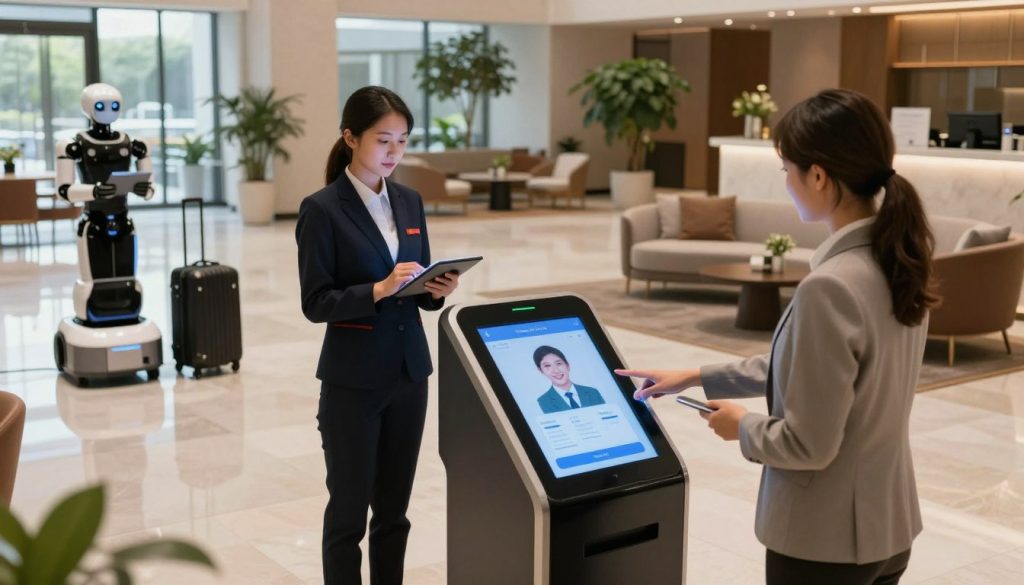
At its core, hospitality automation is the strategic application of software to streamline complex workflows. It removes the burden of repetitive manual tasks, allowing your team to focus on high-value guest interactions. By integrating these tools, you create a digital environment where information flows freely across your entire venue.
This process is not about replacing your staff with machines. Instead, it is about providing them with the right tools to perform their roles more effectively. When you reduce manual intervention, you eliminate the friction that often slows down daily operations.
Key Benefits of Hospitality Automation
The primary advantage of automated hotel operations is the clarity it provides. You gain the operational visibility needed to make data-driven decisions that impact your bottom line. Without this insight, you are essentially flying blind in a highly competitive market.
Furthermore, these systems help you manage labour pressure effectively. By automating routine processes, you maintain high service standards even during peak periods. This consistency is vital for building long-term guest loyalty and protecting your brand reputation.
Common Technologies Used
Modern hotel automation systems act as the backbone of your digital transformation. These platforms integrate seamlessly with your existing hospitality management software to unify your data. Whether it is front-desk check-ins or inventory tracking, everything becomes interconnected.
Adopting smart hotel technology allows you to stay ahead of evolving hospitality technology trends. By leveraging these integrated solutions, you regain control over your business and ensure that your operations remain agile. Investing in the right tech stack today is the best way to secure your competitive advantage for the future.
Implementing Automation in Your Business
Transitioning your hospitality business to a digital framework requires more than just buying software. It demands a structured approach to ensure that your workforce efficiency improves rather than suffers during the changeover.
By focusing on clear objectives, you can eliminate operational friction and gain better visibility across your entire venue. Whether you are managing procurement or tracking daily performance, the right tools provide the clarity needed to make informed decisions.
Steps to Introduce Automation
The first step involves auditing your current workflows to identify where manual tasks create bottlenecks. Once you pinpoint these areas, you can begin the procurement process for specialised hospitality solutions that integrate seamlessly with your existing setup.
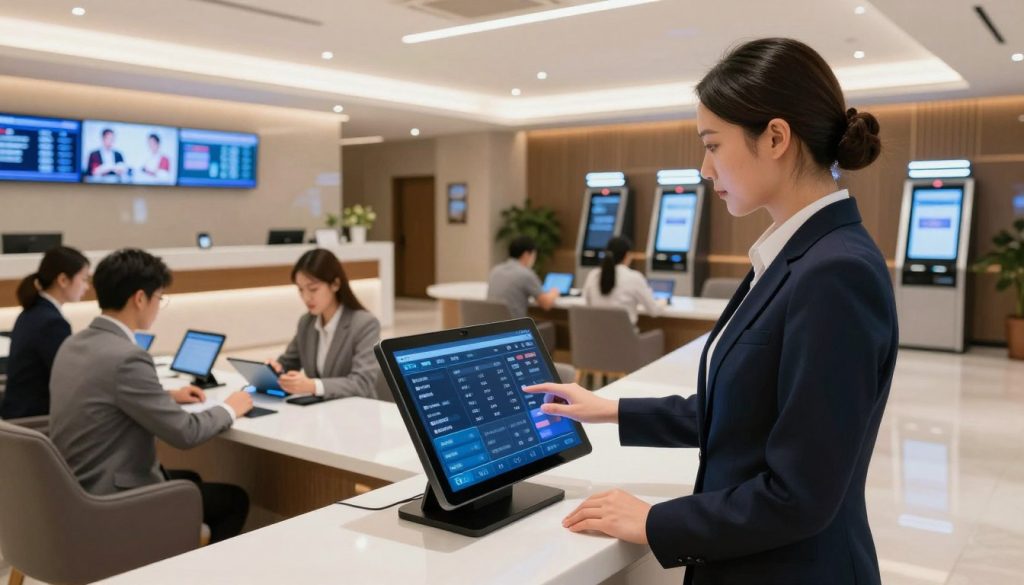
Effective digital hotel management relies on choosing platforms that talk to each other. Avoid isolated systems that force your team to manually transfer data between departments. Instead, prioritize platforms that offer real-time reporting and centralized control.
Training Your Staff for New Technologies
Technology is only as effective as the people using it. You must ensure your team feels empowered rather than overwhelmed by new systems. Start by involving key staff members in the selection process to build early buy-in.
Provide hands-on training sessions that focus on practical, daily tasks. When staff understand how a new tool saves them time, they are far more likely to embrace the change. Consistency is key to long-term adoption.
Overcoming Challenges in Implementation
Resistance to change is a common hurdle in any operational shift. Address this by highlighting the immediate benefits, such as reduced administrative burden and improved accuracy in guest services.
Focusing on an automated guest experience allows your team to spend less time on paperwork and more time on high-value interactions. By removing the technical stress from your staff, you create a more responsive environment that drives repeat business.
If you encounter technical friction, lean on your support partners to troubleshoot early. A smooth transition ensures that your investment in an automated guest experience delivers the competitive advantage you expect.
Future Trends in Hospitality Automation
Emerging trends in artificial intelligence and advanced data analytics are rapidly reshaping the landscape of modern venue management. Operators who embrace these shifts gain a distinct edge in a competitive market by reducing labour pressure and sharpening decision-making capabilities.
Integrating automated hospitality processes allows your team to focus on high-value guest interactions rather than repetitive administrative tasks. This transition streamlines complex workflows and drives measurable increases in overall profitability.
Leveraging Intelligence for Growth
Smart hotel automation provides the tools necessary to deliver hyper-personalised experiences that build lasting brand loyalty. By leveraging real-time data, you can anticipate guest needs before they arise, creating a seamless journey from check-in to departure.
Sustainability and Long-Term Success
Technology serves as a powerful lever for sustainability by reducing waste and optimising resource allocation across your entire venue. Efficient energy management and inventory tracking lower your environmental footprint while simultaneously cutting operational costs.
Hospoware provides the robust hospitality technology solutions required to thrive in the evolving Australian market. Adopting these systems today ensures your business remains agile, profitable, and ready for the challenges of tomorrow.











