
Did you know that nearly 60% of independent venues struggle with profitability within their first three years? This often stems from disjointed systems that create unnecessary friction. You are likely juggling too many disconnected tools, which drains your time and limits your growth potential.
To remain competitive in the Australian market, you need a unified approach. Digital transformation is no longer optional; it is the backbone of a resilient business. This is where our hospitality management software ecosystem changes the game.
We designed Hospoware to connect your fragmented processes into one seamless flow. By leveraging our Restaurantility solution, you can finally eliminate operational bottlenecks. We provide the clarity you need to focus on what truly matters: delivering exceptional experiences to your guests while driving measurable business results.
Key Takeaways
- Fragmented systems are the primary cause of operational friction in Australian venues.
- Digital transformation is essential for maintaining a competitive edge in today’s market.
- Hospoware acts as a unified ecosystem to connect your disparate business tools.
- Integrated solutions allow you to reclaim time and focus on long-term growth.
- Data-driven insights help you make smarter decisions for your café or restaurant.
What is Hospitality Management Software?
Hospitality management software is the essential toolkit that connects your front-of-house and back-of-house operations. It serves as the digital backbone for your business, replacing manual processes with automated workflows that provide real-time data. By centralising your operations, you gain the clarity needed to make informed decisions that drive growth.
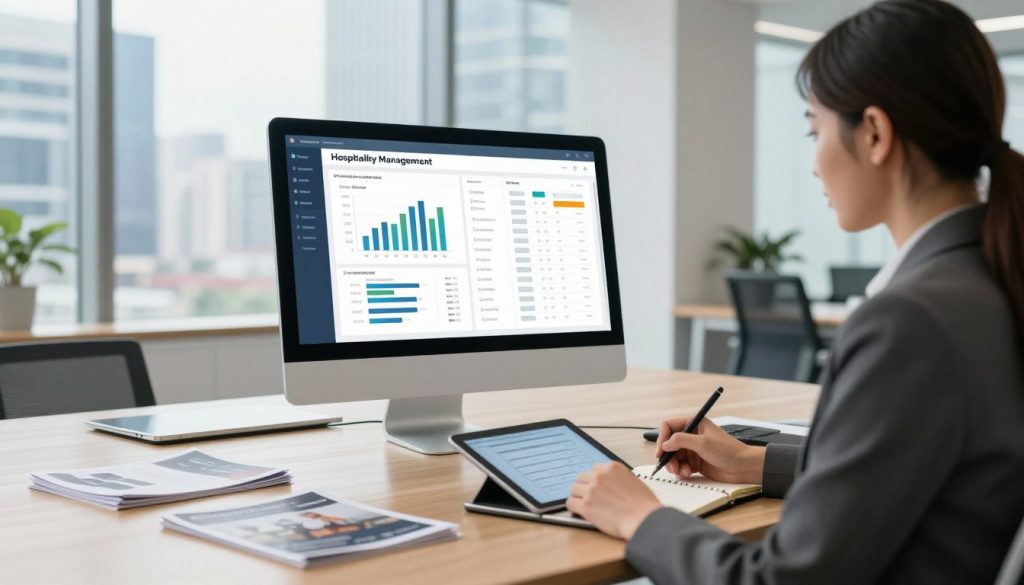
Definition and Key Features
At its core, this software category encompasses platforms designed to streamline complex venue tasks. A hotel management system focuses on room inventory, guest profiles, and booking engines to ensure seamless check-ins. Conversely, a restaurant POS system handles table management, menu engineering, and kitchen display integration.
Modern solutions often bridge these gaps, allowing for unified reporting across different departments. Visibility is the ultimate goal, ensuring that you can track performance metrics from a single dashboard. Whether you run a boutique hotel or a large franchise group, these tools provide the structure required to maintain consistent service standards.
Benefits for Hospitality Businesses
Implementing robust technology eliminates operational friction and reduces human error. When your systems communicate effectively, you save time on administrative tasks and focus more on the guest experience. This level of automation is particularly vital for franchise groups that need to maintain brand consistency across multiple locations.
Operational visibility allows you to identify bottlenecks before they impact your bottom line. By leveraging data-driven insights, you can optimise staffing levels and inventory management with precision. This proactive approach is what separates thriving businesses from those struggling to keep up with market demands.
Popular Software Options in Australia
The Australian market offers a diverse range of platforms tailored to local regulatory and operational needs. Choosing the right hospitality management software requires evaluating how well a provider integrates with your existing tech stack. You need a partner that understands the unique challenges of the local landscape, from seasonal fluctuations to staffing complexities.
Top-tier solutions provide the flexibility to scale as your business grows. By selecting a proven hotel management system or a reliable restaurant POS system, you invest in the long-term stability of your venue. Prioritise providers that offer strong local support and continuous updates to keep your operations running smoothly.
How Hospitality Management Software Improves Operations
You can transform your daily operations by moving away from manual, fragmented processes. By adopting a unified digital ecosystem, you remove the administrative bottlenecks that often slow down your team. This shift allows your staff to focus on high-value tasks rather than repetitive data entry.
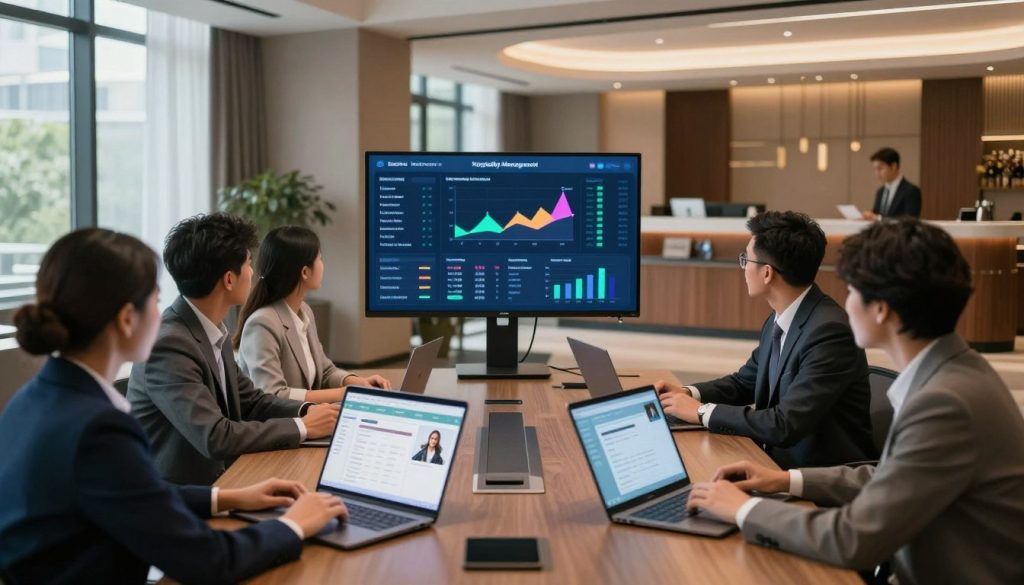
Streamlining Reservations and Bookings
Manual booking management is a significant drain on your labour resources. Modern hospitality management software automates the entire reservation lifecycle, from initial inquiry to final confirmation. This ensures that your availability is always accurate across all booking channels.
By reducing the need for manual intervention, you minimise the risk of double bookings and human error. Your team gains back valuable hours each day, which can be redirected toward improving service standards. Efficiency is the ultimate goal when managing high-volume bookings.
Enhancing Guest Experience and Communication
Technology should work in the background to create a seamless journey for your guests. Automated communication tools allow you to send personalised check-in instructions and updates without manual effort. This proactive approach keeps guests informed and satisfied throughout their stay.
When your systems are connected, you can anticipate guest needs more effectively. Property management software provides the insights required to deliver a tailored experience that keeps guests coming back. You are essentially building a reputation for reliability and care through smart automation.
Integrating with Other Business Tools
The true power of your tech stack lies in how well your systems talk to each other. Linking your property management software with hotel accounting software ensures that every transaction is recorded with precision. This integration eliminates the need for manual reconciliation at the end of the month.
Data accuracy is critical for making informed financial decisions. When your hotel accounting software pulls data directly from your operations, you gain a real-time view of your business performance. Integrated solutions provide the clarity you need to maintain control and drive profitability across your entire venue.
Choosing the Right Hospitality Management Software
Selecting the right technology determines your long-term success in the Australian market. You need a platform that grows alongside your venue while providing clear insights into your daily performance.
Evaluating Strategic Fit
Prioritise systems that offer robust reporting capabilities. Data-driven decisions allow you to identify trends and adjust your pricing or staffing levels in real time. Scalability remains vital for multi-site operators using platforms like Lightspeed or Mr Yum to maintain consistency across locations.
Comparing Digital Solutions
Look for providers that offer seamless integration with your existing point-of-sale hardware. Effective hospitality management software should act as the central nervous system for your business. Avoid fragmented setups that require manual data entry between different applications.
Driving Sustainable Growth
Successful implementation starts with staff training and clear operational goals. Invest in high-quality guest management software to personalise interactions and build long-term loyalty. Audit your current tech stack today to ensure your tools support your profitability targets. Your ability to leverage these digital assets will define your competitive edge in a crowded industry.











